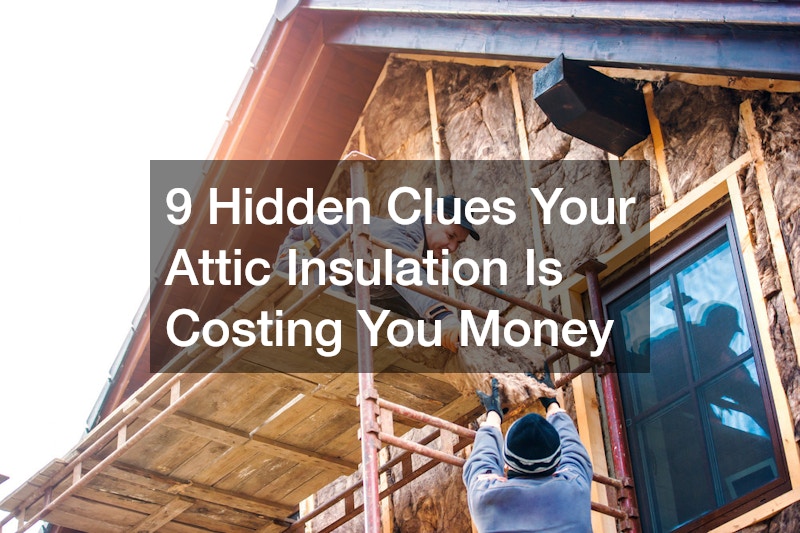
Your attic insulation works quietly behind the scenes, and when it starts failing, the warning signs rarely look obvious at first glance. Instead of a dramatic breakdown, you get slowly rising energy bills, uneven room temperatures, and a furnace or AC unit that runs longer than it should. Most homeowners never think to check their attic until something else goes wrong, but by then you may have been losing money for years. This article walks through the hidden clues that point to failing or inadequate attic insulation, so you can catch the problem before it drains your wallet any further.
1. Rising Energy Bills Without a Clear Cause
If your utility bills have crept up over the past year or two without any obvious change in how you use your home, insulation is one of the first places to look. Attics lose or gain heat faster than any other part of the house, so a compromised insulation layer forces your heating and cooling systems to work overtime. Many homeowners assume the culprit is an aging furnace or a leaky window, but a thin or compressed insulation layer is often the real source of the waste.
Before assuming the worst, compare your bills to the same months last year and check whether your thermostat settings have changed. If the numbers keep climbing despite consistent habits, it is worth scheduling an AC service to rule out mechanical issues before you invest in attic upgrades. Ruling out the easy explanations first helps you spend money where it actually solves the problem.
2. Uneven Room Temperatures Across Different Floors

A house where the upstairs feels noticeably hotter in summer or colder in winter compared to the ground floor is showing a classic sign of insulation trouble. Heat rises and settles in the attic space, and when insulation cannot hold that heat back, it radiates down into the rooms directly below. A gap of more than 3 to 5 degrees between floors is generally a red flag that your attic isn’t doing its job. This creates temperature swings that no amount of thermostat adjusting can fully fix. You might find yourself cranking the AC just to cool the second floor, only to freeze out anyone sitting downstairs, or running the heat all evening while the upstairs bedrooms stay stubbornly chilly. The problem often traces back to thin, compressed, or unevenly distributed insulation in the attic floor. Older homes may have only 4 to 6 inches of insulation when current recommendations call for 12 to 15 inches of material, depending on your climate zone. Gaps around light fixtures, attic hatches, and where the roofline meets the exterior walls can also let conditioned air escape or hot air seep in, worsening the imbalance. Duct leaks in the attic compound the issue further, since ductwork running through poorly insulated space loses heated or cooled air before it ever reaches your rooms. If your upper floor has always run a few degrees warmer or cooler than the rest of the house, it’s worth having both the insulation levels and ductwork inspected together rather than assuming it’s simply an unfixable quirk of the home.
If your upstairs bedrooms feel like a sauna in summer while the living room stays comfortable, or the second floor turns into a cold pocket in winter, attic insulation is often the hidden culprit. Heat naturally rises, so a poorly insulated attic lets conditioned air escape upward and outside air seep in, creating a noticeable gap between floors that can run five to ten degrees or more. This isn’t a sign your HVAC system is too small for the house; it’s a sign the attic isn’t doing its job of holding that air in place. The fix is not always as simple as cranking the air conditioner or heater higher, which just burns more energy without addressing the source. Homeowners who notice this pattern should have their attic checked before scheduling more AC repairs, since a poorly insulated attic can make even a perfectly healthy cooling system seem like it is underperforming. Calling in a technician for repeated AC repairs when the real issue is insulation only adds cost without solving the temperature imbalance. Before booking a service call, it’s worth checking a few things yourself: look for insulation that’s compressed, patchy, or visibly thin in spots, especially around the attic hatch and eaves where coverage often gets skipped. Check whether insulation depth meets recommended levels for your climate zone, typically 10 to 14 inches of blown-in material in colder regions. These simple observations can save a wasted service call and point you toward the real fix. Balancing the temperature starts at the top of the house, not at the vents.
3. Ice Dams Forming Along the Roofline in Winter
Ice dams happen when heat escaping through the attic melts snow on the roof, which then refreezes at the colder eaves and forms a ridge of ice. This ridge traps water behind it, and that water can back up under shingles and seep into your ceilings and walls. It is one of the more visible and damaging signs that your attic is leaking heat it should be holding onto.
Repeated ice dam formation over several winters can quietly wear down roofing materials, shortening the lifespan of a roof that would otherwise last decades. If you notice consistent ice buildup, it may be worth getting quotes from reroofing companies to assess whether the roof deck or underlayment has already sustained damage. Addressing the insulation issue alongside any roofing repair prevents the same problem from returning year after year.
- Icicles hanging evenly along gutters are normal, but thick ridges of ice at the roof edge are not
- Water stains on interior ceilings near exterior walls often trace back to ice dam damage
- Attic heat loss is usually worse above rooms with recessed lighting or poorly sealed vents
4. Pests and Rodents Nesting in the Attic Space
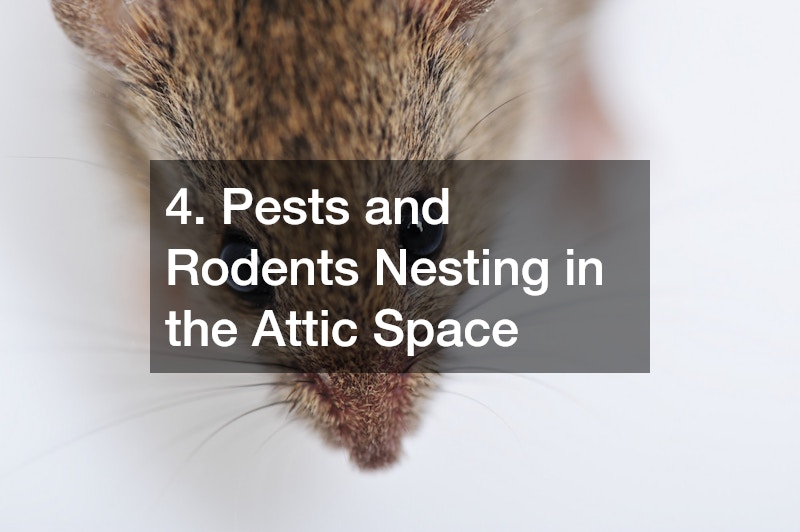
Gaps in insulation create cozy, undisturbed entry points for squirrels, mice, and other small animals looking for shelter. Once pests move in, they often shred and compact insulation material for nesting, which reduces its effectiveness even further. This creates a frustrating cycle where poor insulation invites pests, and pests make the insulation worse.
Signs of an infestation include scratching noises overhead, droppings near the attic access point, or a persistent odor that seems to come from upstairs. If you find evidence of nesting, it is worth having the area professionally cleaned and re-insulated rather than just patching over the damaged sections. This is also a good time to check the perimeter of your home for gaps that pests may be using to get inside in the first place.
5. Frost or Moisture Buildup on Attic Surfaces
During colder months, take a flashlight up to the attic and look at the underside of the roof deck and around the rafters. Frost, condensation, or visible dampness usually means warm, moist air from your living space is escaping into the attic and hitting a cold surface. This moisture can lead to mold growth, wood rot, and further insulation degradation if left unaddressed.
Moisture problems in the attic are sometimes connected to ventilation issues rather than insulation alone, so both should be evaluated together. Homeowners dealing with a home that also has a pool often notice similar humidity patterns affecting nearby structures, which is why pool tiling and surrounding surfaces sometimes show unexpected wear when whole-home humidity is out of balance. Getting the moisture source under control protects both your attic and the rest of your home’s structure.
6. Warm Roof Shingles and Uneven Snow Melt Patterns
Walk around your property after a snowfall and look at your roof from the ground. If you notice patches where snow has melted faster on certain sections of the roof while other areas stay fully covered, that uneven melt pattern usually lines up with weak spots in the attic insulation below. Heat is escaping directly through those areas and warming the roof deck from underneath.
This is useful information to bring up if you ever need roofing HOA bids for a shared community project, since uneven wear patterns can affect how contractors price out replacement sections. It also helps to document these patterns with photos over a few winters, giving you clear evidence of where heat loss is concentrated. Matching this data with an attic inspection gives a fuller picture of what needs to be corrected.
7. Drafts and Cold Spots Near Exterior Walls and Ceilings
Insulation problems are not limited to the attic floor alone; they often connect to how well the exterior walls and siding are sealed. If you feel drafts near the ceiling line or notice cold spots along upper walls, air may be escaping through gaps where the attic meets the exterior wall assembly. This is a common but often overlooked energy loss point in older homes.
In some cases, the issue traces back to the siding itself rather than the insulation, which is why it can help to consult with siding contractors when drafts persist despite attic upgrades. A combined approach that addresses both the attic and the exterior wall assembly typically produces better results than tackling either one alone. Sealing these transition points closes off pathways that insulation alone cannot fully block.
8. An Outdoor Living Space That Never Feels Comfortable

Homeowners sometimes overlook how attic heat loss affects areas connected to the house, including sunrooms, covered patios, or an outdoor screen enclosure attached to the main structure. When these spaces sit just below or beside an attic with poor insulation, they can trap excess heat radiating off the roof, making them uncomfortable even with fans or shade. This is especially noticeable during peak summer afternoons when the attic reaches its highest temperatures.
If your outdoor space consistently feels hotter than it should given the season and time of day, it is worth checking whether attic heat is radiating into adjoining structures. Addressing insulation gaps near these connection points can make a noticeable difference in comfort without needing to modify the outdoor space itself. Small adjustments to the transition areas often solve problems that seemed at first to be about the outdoor structure entirely.
9. A Yellowing Lawn That Points to Bigger Attic Vent Issues
This clue surprises most homeowners, but excessive attic heat venting improperly can sometimes affect nearby landscaping, especially grass close to soffit vents or exhaust points. Scorched or discolored patches of lawn in the same spot year after year are sometimes blamed on watering habits or a fertilizing service, when the real cause is hot air being expelled directly onto the grass. Ruling out attic ventilation issues can save you from repeatedly treating a lawn problem that keeps coming back.
Walk the perimeter of your house and note whether any exhaust or vent points sit close to the ground near a struggling patch of grass. If so, redirecting or properly extending these vents may resolve both the energy loss and the lawn damage at the same time. It is a small detail that rarely comes to mind but can save you money on two fronts.
When to Bring in a Professional for a Full Attic Evaluation

While many of these clues can be spotted on your own, confirming the actual cause and severity of insulation loss usually requires a trained eye. Reaching out to insulation contractors for a full evaluation gives you an accurate read on your attic’s R-value, air sealing quality, and ventilation balance, rather than relying on guesswork. A professional assessment also helps you prioritize which fixes will save the most money first.
Most evaluations include a visual inspection, moisture readings, and sometimes a blower door test to measure air leakage throughout the home. Getting this done every few years, or immediately after noticing any of the signs above, keeps small problems from turning into expensive repairs. It is a relatively small upfront cost compared to years of inflated energy bills.
- Ask whether the evaluation includes both the attic floor and the roofline insulation
- Request a written estimate of potential energy savings before committing to any upgrade
- Confirm that existing insulation will be assessed for moisture damage, not just thickness
- Find out whether ventilation upgrades are included or billed separately
Attic insulation problems rarely announce themselves clearly, which is exactly why so many homeowners keep paying inflated energy bills without knowing why. By paying attention to the signs covered here, from ice dams and uneven temperatures to unexpected lawn damage, you can catch the issue early and address it at the source. The next step is simple: walk through your attic with fresh eyes, note anything that matches these clues, and get a professional opinion if you spot more than one. Acting now costs far less than continuing to pay for heat and cooling that never make it where they are supposed to go.