
Every homeowner eventually faces the same question: which upgrades are actually worth the money? Some renovations look impressive but never earn back their cost, while others quietly save or earn you cash for years after installation. The good news is that a handful of well-chosen improvements can lower your monthly bills, boost your home’s resale value, and pay for themselves faster than most people expect. This article breaks down the smart upgrades that deliver real, measurable financial returns over time.
Upgrade Your Attic and Wall Insulation
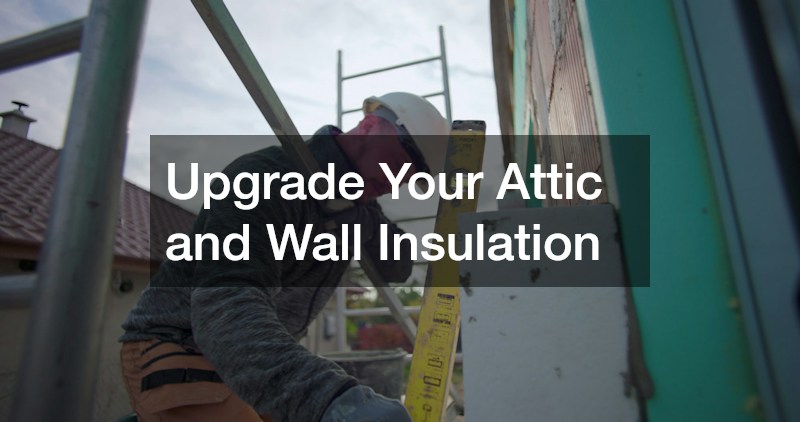
Insulation is one of the least glamorous upgrades you can make, but it consistently ranks among the highest return-on-investment projects for any home. Poorly insulated attics and walls let conditioned air escape, forcing your heating and cooling system to work overtime and driving up utility bills month after month. Upgrading to modern insulation materials, such as spray foam or blown-in cellulose, can cut energy loss dramatically and often pays for itself within a few years through lower bills.
Beyond the financial savings, better insulation improves comfort by eliminating drafts and evening out temperatures between rooms. It also reduces strain on your HVAC system, which can extend its lifespan and delay costly replacement.
- Attic insulation upgrades typically recoup 60 to 80 percent of their cost through energy savings alone
- Sealing air leaks around windows and doors amplifies the benefit of new insulation
- Look for insulation with an R-value appropriate for your climate zone
- Many utility companies offer rebates for insulation upgrades
Install a Programmable or Smart Thermostat
A smart thermostat is one of the cheapest upgrades on this list, yet it can shave a meaningful percentage off your annual heating and cooling costs. These devices learn your schedule, adjust temperatures automatically when you’re away, and let you control settings remotely from a phone app. Because the upfront cost is usually under 300 dollars, most homeowners recover their investment within the first year or two.
The savings compound over time since the thermostat keeps optimizing itself without any extra effort from you. Many models also provide usage reports that help you spot inefficiencies elsewhere in your home, like a furnace running longer than it should.
- Smart thermostats can reduce heating and cooling costs by 10 to 15 percent annually
- Some energy providers offer instant rebates for qualifying smart thermostat models
- Look for compatibility with your existing HVAC system before purchasing
- Remote scheduling prevents wasted energy when you forget to adjust the temperature before leaving home
Generate Your Own Electricity with Renewable Systems
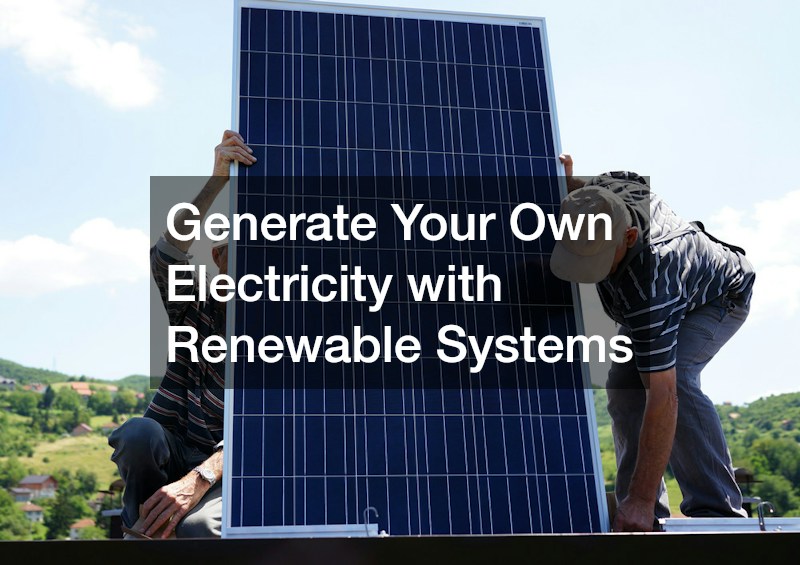
Few upgrades have the long-term earning potential of a home energy system that generates its own power. Installing solar panels allows homeowners to offset a significant portion of their electricity bill, and in many regions, excess power can be sold back to the grid through net metering programs. While the upfront investment is higher than most other upgrades on this list, federal tax credits and state incentives can reduce the cost substantially.
Over a system’s typical 25-year lifespan, the savings can add up to tens of thousands of dollars, and homes with owned solar systems often sell for more than comparable homes without them. It’s worth getting quotes from a few installers and comparing financing options, since leasing versus buying can significantly change your long-term returns.
- Average payback period ranges from 6 to 10 years depending on location and energy usage
- Check whether your state offers a solar tax credit in addition to the federal incentive
- Battery storage add-ons increase resilience during outages but extend payback time
- Homes with owned renewable energy systems often see a boost in appraised value
Automate Window Coverings for Efficiency and Convenience
Automated window treatments are gaining popularity not just for convenience but for the energy savings they provide. A professional smart blinds installation lets you schedule blinds to open and close based on the sun’s position, which helps regulate indoor temperature and reduces reliance on air conditioning during peak summer heat. This kind of automation also protects flooring and furniture from sun damage, extending the life of interior finishes.
Many systems integrate with existing smart home platforms, so you can control blinds alongside your thermostat and lighting for a coordinated energy strategy. While the upfront cost varies based on the number of windows and the complexity of the system, homeowners often notice a reduction in cooling costs within the first season of use.
- Automated blinds can block up to 30 percent of unwanted solar heat gain in summer months
- Look for systems with battery-powered or solar-charged motors to avoid rewiring costs
- Pairing automation with insulated cellular shades maximizes energy efficiency
- Many systems offer voice control integration for added convenience
Replace Aging Water Heaters with Efficient Models
Water heating accounts for a substantial chunk of the average home’s energy use, and older tank-style units tend to be far less efficient than newer options. Switching to a tankless or heat pump water heater can cut water heating costs significantly since these systems only heat water on demand rather than maintaining a constant supply. Although the upfront cost is higher than a standard tank replacement, the long-term energy savings and longer lifespan make up the difference.
Heat pump water heaters, in particular, can be two to three times more efficient than conventional electric models, translating into real savings on monthly utility bills. Many manufacturers also offer extended warranties on these units, reflecting their durability compared to older technology.
- Tankless water heaters can last up to 20 years, nearly double the lifespan of tank models
- Heat pump water heaters may qualify for federal or local energy rebates
- Proper sizing is essential, so consult a professional before choosing a unit
- Insulating hot water pipes further reduces standby heat loss
Seal and Upgrade Exterior Doors and Windows
Old, drafty windows and doors are a major source of energy loss, and replacing them with energy-efficient models can noticeably lower heating and cooling costs. Double or triple-pane windows with low-emissivity coatings block heat transfer far better than single-pane glass, keeping indoor temperatures stable year-round. While full window replacement is a bigger investment, even weatherstripping and caulking existing frames can deliver quick, low-cost improvements.
Energy-efficient windows also reduce outside noise and UV exposure, adding comfort benefits beyond the utility savings. When budgeting for this upgrade, prioritize windows facing the most direct sun exposure first, since those typically contribute the most to indoor temperature swings.
- Energy-efficient window replacement can lower energy bills by 12 percent on average
- Look for the ENERGY STAR label to ensure verified performance standards
- Weatherstripping doors costs very little but reduces drafts almost immediately
- Consider storm doors for added insulation in colder climates
Smart home upgrades don’t need to be flashy to be worthwhile. The projects that pay you back over time tend to focus on efficiency, automation, and reducing waste rather than pure aesthetics. Start with the lowest-cost, highest-impact changes like a smart thermostat or better insulation, then work your way toward bigger investments as your budget allows. Whatever combination you choose, the key is thinking long-term about how each upgrade will keep saving you money long after the installation is finished.