

Owning a home means keeping up with regular maintenance and recognizing when something needs to be repaired. Over time, daily use, changing weather, aging materials, and normal wear can affect everything from indoor comfort to the condition of your roof and driveway. Some problems are easy to notice, such as a broken fixture or a visible crack. Others develop slowly, making it harder to recognize that something is wrong until the damage becomes more extensive.
From heating and cooling equipment to plumbing, foundations, driveways, and roofing materials, every part of your home needs attention over time. Learning to recognize early signs of deterioration can help you protect your investment, plan maintenance expenses, and keep your living space comfortable and dependable throughout the year.
Signs Your Heating and Cooling System Needs Attention
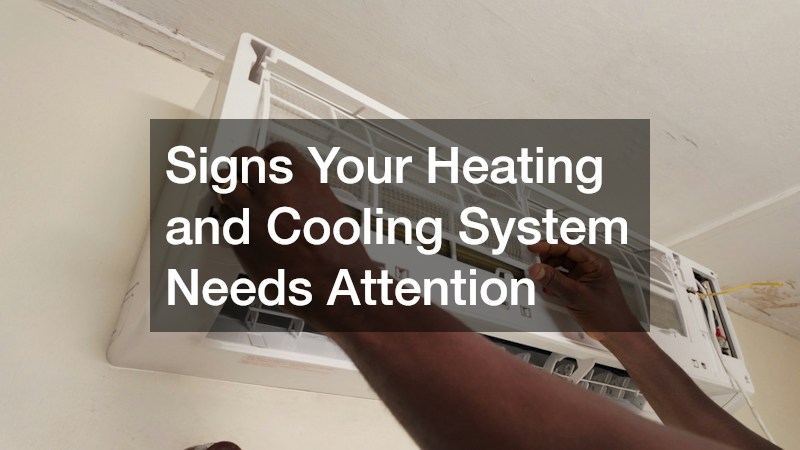
Your heating and cooling system helps maintain comfortable indoor temperatures throughout the year. When it starts showing signs of trouble, addressing the problem early can help prevent an unexpected breakdown during extreme weather. Routine HVAC services can also help identify developing issues before they affect the system’s performance.
One common warning sign is inconsistent temperature control. If your living room feels comfortable while an upstairs bedroom remains too warm, the system might have airflow restrictions, ductwork problems, or a thermostat issue. Weak airflow from vents can also indicate a clogged filter, a malfunctioning blower, or another mechanical concern.
Unusual sounds deserve attention, too. Grinding, banging, squealing, or persistent rattling can indicate loose components or mechanical wear. Although normal operating sounds vary by system, a sudden change in noise is worth investigating. Unusual odors coming from vents can also signal dirty components, moisture problems, or electrical issues.
Pay attention to your energy bills. If heating or cooling costs increase without a significant change in usage or outdoor temperatures, the equipment might be working harder than necessary. Frequent cycling, excessive indoor humidity, and difficulty reaching the thermostat setting can also indicate reduced performance.
Routine maintenance and regular filter changes help support efficient operation, but they cannot resolve every mechanical problem. A qualified technician can inspect the system, identify the cause of performance changes, and recommend appropriate repairs. If you notice smoke or a burning smell, turn off the equipment if you can do so safely and seek professional assistance.
Warning Signs Your Hot Water System Needs Fixing
Hot water is essential for bathing, washing dishes, and completing household chores. When your water heater begins to malfunction, the first signs might be subtle, but recognizing them can help you prevent water damage and unexpected interruptions. Timely water heater repair can address developing problems before they cause more extensive damage or leave your household without hot water.
Inconsistent water temperature is one of the most noticeable symptoms. If the water takes longer to heat, fluctuates between hot and cold, or runs out much faster than usual, the system might have a faulty thermostat, a failing heating element, or sediment buildup. The cause depends on the type and condition of the unit.
Leaks around the water heater also require prompt attention. Moisture near pipes or connections can indicate a loose fitting or faulty valve, while water coming from the tank itself can suggest internal deterioration. Because leaks can damage nearby flooring and walls, investigate visible moisture rather than assuming it will resolve on its own.
Listen for popping, rumbling, or banging sounds during operation. In tank-style water heaters, sediment can accumulate at the bottom and interfere with efficient heating. Rust-colored hot water, unusual odors, and declining performance can also indicate corrosion or other problems.
Age is another factor to consider. Water heaters have a limited service life, and older units might require more frequent repairs. Check the manufacturer’s recommendations and your maintenance history when evaluating the equipment’s condition.
A professional can determine whether a component can be repaired or whether replacement is more practical. If you smell gas near a gas-powered water heater, leave the area and contact your gas utility or emergency services from a safe location.
Clues That Your Home’s Foundation May Be Damaged
Your home’s foundation supports the structure above it, making its condition important to the stability of the entire property. While some minor cracks develop as building materials age, other changes can indicate movement, drainage problems, or structural damage. Professional foundation repair can address underlying issues and help protect the structure from further deterioration.
Look for cracks in foundation walls, especially those that widen over time or run horizontally through masonry. Significant stair-step cracks in brickwork and walls that appear to bow inward also deserve prompt professional evaluation. The location, size, and progression of a crack can help determine whether it indicates a serious concern.
Changes inside the house can provide additional clues. Doors and windows that suddenly stick, uneven floors, and new cracks around doorways might be associated with foundation movement. However, these symptoms can have other causes, so a qualified professional should assess the overall pattern instead of relying on one sign.
Water around the foundation is another concern. Clogged gutters, downspouts that discharge too close to the house, and soil that slopes toward the structure can contribute to moisture problems. Repeated water exposure can affect surrounding soil and increase the potential for movement.
Check basements and crawl spaces for persistent dampness, water stains, musty odors, or standing water. These conditions can indicate drainage issues even when there are no obvious structural cracks.
If you notice rapidly widening cracks, substantial wall movement, or sudden changes in the structure, arrange an evaluation by a qualified structural engineer or foundation specialist. Identifying the underlying cause helps determine whether drainage improvements, crack repairs, or more extensive stabilization work is necessary.
When Your Home’s Pipes Need Professional Attention

Plumbing problems can begin with a small drip or a subtle change in water pressure. Without attention, even minor leaks can damage cabinets, flooring, walls, and other building materials.
Inspect exposed pipes beneath sinks, around appliances, and near the water heater for dripping water, corrosion, mineral deposits, or damp surfaces. Repeated leaks in the same area can indicate deteriorating pipes or connections that need more comprehensive attention.
Changes in water pressure can also signal a problem. A sudden decrease throughout the house might indicate a supply issue, a hidden leak, or a malfunctioning pressure regulator. If the problem affects only one faucet, the cause could be a clogged aerator or a faulty fixture.
An unexplained increase in your water bill is another reason to investigate. If the water meter continues registering consumption when all fixtures and water-using appliances are turned off, a hidden leak might be present.
Look for water stains on ceilings and walls, peeling paint, warped flooring, or persistent musty odors. These symptoms can indicate leaks concealed behind walls or beneath floors, even when no dripping pipe is visible.
A qualified plumbing company can locate leaks, inspect damaged pipes, and recommend appropriate repairs. If you suspect a major leak, shut off the main water supply if it’s safe and accessible to do so. Prompt action can help limit property damage while you arrange professional assistance.
Signs Your Drains Need a Thorough Cleaning
Drains carry wastewater away from sinks, showers, tubs, and other fixtures. When debris accumulates inside pipes, water can drain slowly or back up into the fixture.
Slow drainage is often the first warning sign. Water that pools around your feet in the shower or remains in the kitchen sink after washing dishes might indicate a buildup of hair, grease, soap residue, or other debris. If several fixtures drain slowly at the same time, the problem could involve a shared drain line.
Persistent odors coming from drains can also indicate a problem. Food particles, grease, and organic material can collect inside pipes and produce unpleasant smells. However, sewer-like odors can also result from a dry drain trap, a venting problem, or an issue with the sewer line.
Gurgling sounds deserve attention, especially when they occur alongside slow drainage. Bubbling noises can indicate that air movement is being disrupted by a blockage or another plumbing issue. Water backing up into multiple fixtures is a more serious warning sign that warrants prompt assessment.
Routine drain cleaning can remove accumulated debris and help restore proper flow. Avoid repeatedly using harsh chemical cleaners, which can damage some plumbing materials and create hazards during subsequent repairs.
If blockages keep returning, multiple drains are affected, or wastewater backs up, a professional can inspect the plumbing and determine the cause. Resolving the underlying problem can help prevent recurring clogs and additional disruption.
How to Tell When Your Septic System Needs Service
Homes that rely on septic systems need regular maintenance to manage wastewater safely. Because much of the system is underground, warning signs can appear in plumbing fixtures or the surrounding yard before the cause becomes obvious.
One of the clearest signs of trouble is wastewater backing up into toilets, sinks, or showers. Multiple fixtures draining slowly can indicate a problem with the septic tank, outlet filter, or drain field. These symptoms deserve prompt attention to reduce the risk of sewage entering the home.
Unpleasant odors around the septic tank, drain field, or plumbing fixtures can also indicate a problem. A functioning system shouldn’t produce persistent sewage smells around the property. Similarly, unusually lush grass or soggy ground over the drain field can suggest that wastewater isn’t dispersing properly.
Watch for standing water near the tank or drain field, particularly during dry weather. Gurgling pipes and toilets that struggle to flush can also indicate that the system needs inspection.
Routine inspections and pumping help maintain septic systems, but the appropriate schedule depends on tank size, household usage, and other factors. Keeping records of previous service visits can help you plan future maintenance.
If sewage backs up or wastewater surfaces in the yard, avoid contact with the affected area and arrange professional septic service. Never open a septic tank yourself, since its gases and contents can be dangerous. A qualified provider can inspect the system and recommend the appropriate next steps.
When to Call a Professional for Pipe and Fixture Problems

Not every plumbing issue involves a major leak or a burst pipe. Worn fixtures, malfunctioning valves, and damaged connections can also waste water and interfere with everyday routines.
A toilet that runs continuously after flushing might have a faulty flapper or fill valve. Although the problem can seem minor, a running toilet can waste water over time. Repeated clogs, water around the toilet’s base, or a toilet that rocks when used also warrant attention.
Faucets and showerheads can develop persistent drips, reduced flow, or difficulty controlling water temperature. Worn seals, damaged cartridges, and mineral buildup are possible causes. If a simple repair doesn’t resolve the issue, a more thorough inspection might be needed.
Check shutoff valves beneath sinks and behind toilets. Valves that leak, corrode, or refuse to turn can make it harder to stop water during an emergency. Damaged supply hoses connected to washing machines and dishwashers also deserve attention because a sudden failure can release significant amounts of water.
Professional plumbing contractors can inspect fixtures, repair connections, replace worn components, and identify problems affecting multiple areas of the home. Contact a qualified professional when leaks persist, water pressure changes unexpectedly, or repairs involve concealed pipes. Prompt attention can prevent smaller issues from causing more extensive damage.
Signs Your Driveway Needs Resurfacing or Repairs
Your driveway experiences repeated exposure to vehicle weight, sunlight, rain, and temperature changes. Over time, these conditions can cause asphalt to crack, weaken, or deteriorate.
Small cracks are often among the first visible signs of wear. Water can enter these openings and weaken the material underneath, eventually contributing to larger cracks or potholes. Addressing damage early can help prevent it from spreading.
Potholes indicate more advanced deterioration. They can develop when water penetrates weakened asphalt and repeated vehicle traffic breaks apart the affected area. Uneven surfaces and loose aggregate can also indicate that the driveway needs attention.
Look for sunken areas or spots where water collects after rainfall. These conditions might point to drainage problems or movement in the base beneath the asphalt. Widespread cracking, brittle surfaces, and extensive wear can indicate that localized repairs won’t be enough.
An asphalt driveway company can evaluate the surface and recommend crack sealing, patching, resurfacing, or replacement. The appropriate solution depends on the extent of the damage and the condition of the underlying base.
Maintaining proper drainage and addressing cracks promptly can help extend the driveway’s service life. If deterioration continues despite repeated repairs, a professional assessment can help determine whether more extensive work is necessary.
How to Spot Damage on Your Roof Shingles
Roof shingles protect your home from rain, wind, and sunlight. Because they remain exposed to changing weather conditions, they can gradually wear down or sustain damage during storms. Timely asphalt shingle repairs can address localized damage and help prevent moisture from reaching the underlying roofing materials.
Missing shingles are an obvious warning sign because they can expose the underlying roofing materials to moisture. Strong winds can loosen shingles or lift their edges, while fallen branches can cause visible damage.
Look for shingles that are cracked, curling, brittle, or uneven. These changes can indicate aging or weather-related deterioration. Significant granule buildup in gutters or near downspouts can also signal that shingles are losing their protective surface.
Interior symptoms can help reveal roofing problems. Water stains on ceilings, peeling paint, and damp attic insulation can indicate a leak, although plumbing problems and condensation can cause similar symptoms.
A qualified professional can inspect the roof and determine whether individual shingles can be repaired or larger sections need attention. Avoid walking on steep or damaged roofing surfaces. A ground-level inspection followed by professional evaluation is a safer way to assess potential problems.
Warning Signs Your Roof Needs Professional Repairs

Roofing problems can involve more than damaged shingles. Flashing, roof valleys, vents, gutters, and the underlying roof deck all contribute to keeping water out of your home.
Water stains on ceilings or walls are common warning signs. Discoloration, bubbling paint, damp insulation, and persistent moisture in the attic can indicate that water is entering through the roof. Since water can travel along framing, the visible stain might not be directly beneath the original entry point.
Inspect gutters and downspouts from a safe position. Sagging gutters, loose fasteners, and frequent overflow can interfere with drainage and allow water to collect near the roofline. Damaged flashing around chimneys, skylights, and vent pipes can also create openings for moisture.
A roofing company can inspect the entire roofing system, locate leaks, and recommend appropriate repairs. Addressing the underlying cause rather than simply covering visible damage helps protect the roof deck, insulation, and interior finishes.
Recognizing when your home needs repairs starts with paying attention to changes in how its systems and surfaces look and function. Inconsistent temperatures, hot water problems, foundation cracks, plumbing leaks, slow drains, and septic odors can all indicate concerns that deserve investigation. Outside, driveway deterioration, damaged shingles, and roof leaks can signal that your property needs attention.
By responding to warning signs early, you can help protect your property’s condition, maintain household comfort, and manage maintenance expenses more effectively. Staying attentive to your home’s needs supports a safer, more dependable living space for years to come.