
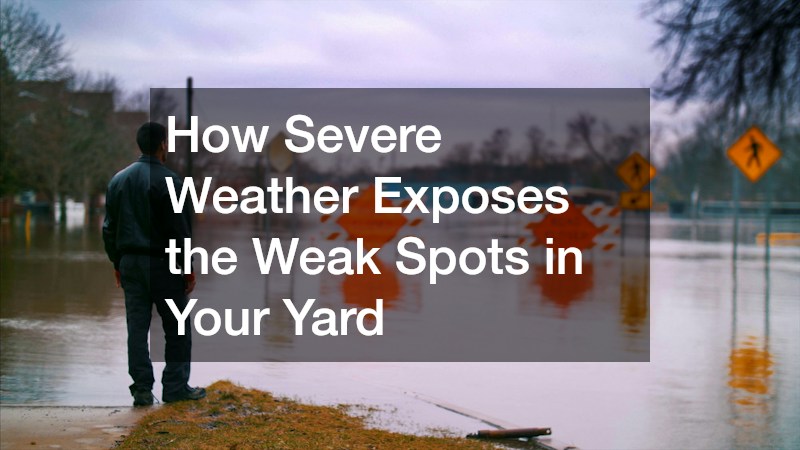
When storms roll through, they rarely create new problems in your yard so much as reveal the ones that were already quietly developing. A yard that looks fine on a sunny afternoon can hide drainage flaws, cracked hardscaping, or structural weaknesses that only show themselves once heavy rain, high winds, or flooding put real pressure on your property. Learning to spot these vulnerabilities before the next severe weather event can save you thousands of dollars and a lot of stress. This guide walks through the most common weak spots severe weather exposes and what you can do about each one.
Soil Grading and Standing Water After Heavy Rain
One of the first things heavy rain reveals is poor yard grading. If water pools near your home’s foundation instead of flowing away from it, you are looking at a drainage problem that will only get worse with each storm. Over time, that standing water seeps into the soil around your foundation, softening it and creating the conditions for shifting and cracking.
The fix often starts with regrading the yard so water moves away from the house, but sometimes the damage is already done beneath the surface. If you notice new cracks in your foundation walls or doors that suddenly stick after a storm, it may be time to call in foundation repair specialists before the problem spreads further.
- Look for puddles that linger more than 24 hours after rain stops
- Check that downspouts direct water at least five feet away from the house
- Watch for soil that pulls away from the foundation during dry spells
- Note any new gaps around basement windows or doors
Roof Damage Signs After High Winds and Hail
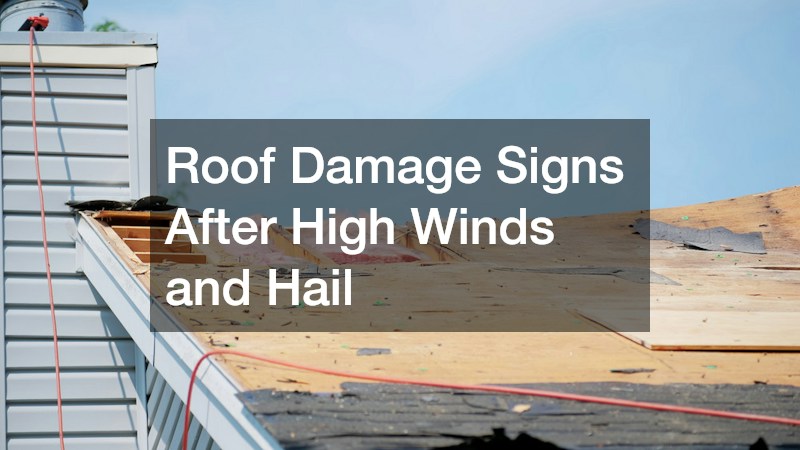
Severe weather is especially hard on roofs, and even a roof that looked fine before a storm can come out of it with hidden damage. High winds can lift shingles just enough to break their seal without tearing them off completely, which means leaks may not show up for weeks. Hail, meanwhile, can bruise shingles and compromise their waterproofing in ways that are nearly invisible from the ground.
Because this damage is so easy to miss, it is worth having a professional inspection after any major storm rather than waiting for a leak to appear inside your home. Reputable roofing companies can spot granule loss, lifted flashing, and soft spots that homeowners typically overlook. Catching these issues early is almost always cheaper than dealing with water damage to your attic and ceilings later.
Fence and Gate Stability During Strong Wind Events
Fences take a beating during severe weather because they act like sails, catching wind across their full surface area. Wooden fences with rotted posts or loose boards are especially vulnerable, and a single strong gust can knock over sections that were already leaning. Metal fences are not immune either, since rust at the base of posts weakens the structure even if it looks sturdy at first glance.
- Test fence posts by pushing firmly to check for wobble
- Inspect the bottom of posts for rot or rust, since that is where failure usually starts
- Replace damaged boards or panels promptly rather than patching them temporarily
- Consider wind-rated fencing materials in areas prone to frequent storms
Garage Door Performance Under Hurricane Force Pressure
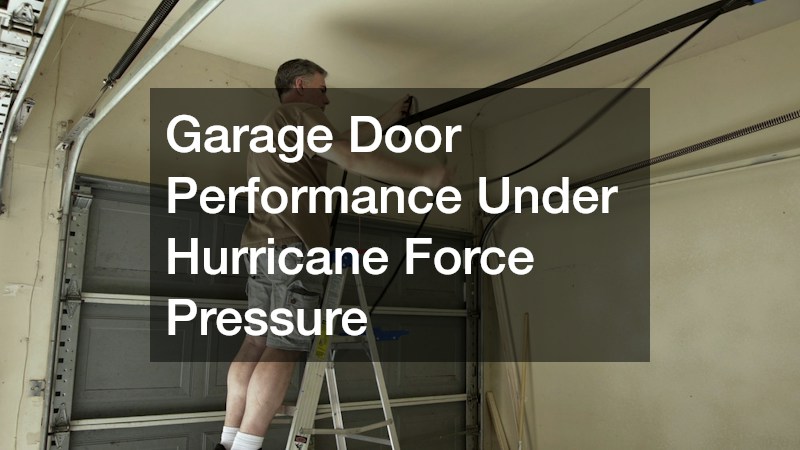
Few people think about their garage door as a weak point until a storm proves otherwise. A standard garage door is one of the largest openings on a home, and if it fails during high winds, the pressure change inside the garage can damage the roof and walls from the inside out. This is a bigger risk in coastal and storm-prone regions than most homeowners realize.
Upgrading to a wind-rated model through custom garage door installation is one of the most effective ways to protect the rest of the structure during hurricane season. These doors are built with reinforced panels and stronger tracks designed to withstand repeated pressure from gusts. For anyone living in an area that regularly sees tropical storms, this upgrade pays for itself the first time a major storm hits.
Window and Door Protection Against Flying Debris
Flying debris during severe storms can shatter windows and compromise doors, allowing wind and water to pour into a home in seconds. Once that happens, the damage spreads quickly to flooring, walls, and furniture. Homes in hurricane-prone areas are especially at risk, since even small storms can carry enough debris to cause serious harm.
Many homeowners in these regions turn to hurricane shutters companies to install protective coverings that can be closed quickly before a storm arrives. These shutters come in several styles, from accordion to roll-down, and each offers a different balance of cost, convenience, and protection. Investing in this kind of protection before storm season begins is far less stressful than scrambling to board up windows the night before a hurricane makes landfall.
Underground Plumbing and Septic System Overload

Heavy rainfall does not just affect what you can see above ground. Saturated soil can overwhelm septic systems, pushing waste back toward the house instead of allowing it to drain properly. When the ground around your drain field becomes fully saturated, it loses its ability to absorb effluent, and water has nowhere to go but back up through your pipes. A septic back up during or after a major storm is one of the messiest and most unpleasant surprises a homeowner can face, and it often happens with little warning. Warning signs can include slow-draining sinks and tubs, gurgling sounds from toilets, or a sulfur-like odor near the yard where the tank or drain field sits. By the time sewage actually backs up into a basement drain or bathtub, the system is already in crisis mode. Older or undersized septic systems are especially vulnerable, since many were designed decades ago for smaller households and lighter rainfall patterns than what many regions now see. Homes on properties with heavy clay soil are also at greater risk, since clay drains far more slowly than sandy or loamy soil and stays saturated for days after a storm passes. A few precautions can reduce the odds of trouble: avoid running washing machines or dishwashers during and immediately after heavy rain, have the tank inspected and pumped on a regular schedule, and make sure downspouts and surface grading direct water away from the drain field rather than toward it.
If your yard has a septic system, it is worth having it inspected before storm season to make sure the drain field is functioning properly and not already saturated from previous rain. Heavy rainfall raises the water table, and a drain field that’s already waterlogged has nowhere to send wastewater, which means it backs up into your yard or home instead. A licensed plumber can check for warning signs like slow drains, gurgling pipes, or standing water near the tank that often appear before a full backup occurs. While you’re at it, ask about the last time the tank was pumped. Most residential septic tanks need pumping every three to five years, and a tank that’s nearing capacity going into a major storm is far more likely to overflow. It’s also worth checking that the tank lid and risers are sealed properly, since cracked or loose covers let stormwater seep in and overwhelm the system even faster. Addressing small issues early is much easier than dealing with a flooded yard and a backed-up system during the storm’s aftermath. A pre-season inspection typically costs far less than emergency pumping or drain field repairs, and it spares you the health hazards that come with sewage surfacing in your lawn.
Outdoor Cooling Equipment Exposure to Flooding and Wind
Outdoor air conditioning units sit right in the path of storm debris, flooding, and high winds, making them one of the more overlooked casualties of severe weather. Flooding can submerge the unit’s electrical components, while wind-driven debris can bend fins and damage the housing. Even a few inches of standing water around the unit can cause corrosion that shortens its lifespan significantly.
After any major storm, it is smart to have the system checked before turning it back on, since running a damaged unit can cause further harm or even create a safety hazard. AC companies can assess whether the unit needs minor repairs or a full replacement, and they can also recommend elevating the unit on a stand to reduce future flood risk. This small investment can prevent a much larger repair bill down the road.
Retaining Wall and Slope Failure on Sloped Properties
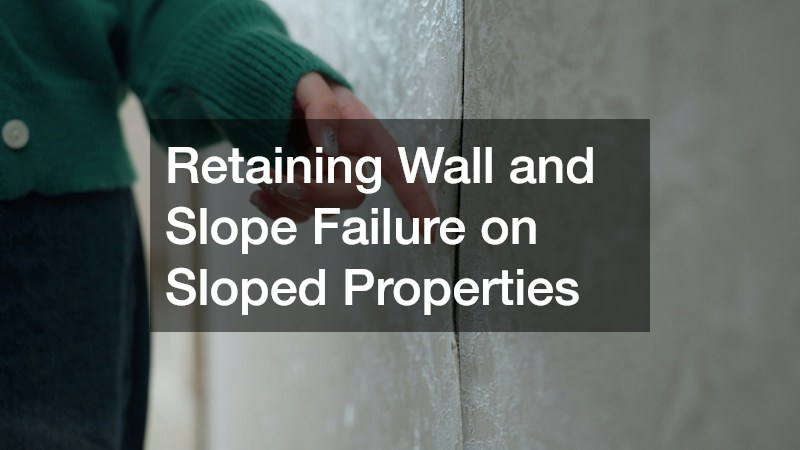
Yards with slopes or retaining walls face a unique set of risks during severe weather. Saturated soil adds enormous weight and pressure behind retaining walls, and if the wall was not built with adequate drainage, it can bulge, crack, or collapse entirely. This is particularly common after several days of sustained rainfall rather than a single intense storm.
- Check for bulging or leaning sections along any retaining wall
- Look for new cracks that appear after heavy rain events
- Ensure weep holes are clear and draining properly
- Watch for soil erosion at the base of slopes, which signals water is cutting new paths
Structural Assessment and Rebuilding After Major Storm Damage
When a storm causes significant damage to a structure on your property, such as a shed, detached garage, or even part of the main house, the first step is a thorough assessment rather than a quick patch job. Hidden structural damage can make a building unsafe even if it looks mostly intact from the outside. This is especially true for older structures that may not have been built to current wind and water resistance standards. A proper assessment should check for cracked or shifted foundations, compromised load-bearing walls, racked door and window frames, and roof trusses that have pulled away from their connection points. Even small clues matter: doors that suddenly stick, hairline cracks in drywall, or a faint musty smell can all point to moisture intrusion or movement you can’t see from the outside. Many homeowners underestimate the extent of the damage because the exterior siding or roofing hides what’s happening in the framing underneath. It’s worth bringing in a structural engineer or licensed contractor for anything beyond cosmetic repairs, particularly if the building took a direct hit from a fallen tree, flooding, or sustained winds above 60 mph. Their inspection can reveal whether the structure is safe to occupy, needs partial reconstruction, or should be torn down and rebuilt entirely. This step also matters for insurance purposes, since a documented professional assessment often strengthens your claim and provides the paper trail adjusters expect to see. Older structures deserve extra scrutiny, since many were built decades before current building codes addressed wind uplift, water intrusion, and seismic bracing. A shed or garage built in the 1970s, for example, may lack the hurricane straps, reinforced anchor bolts, or moisture barriers that are now standard. Rebuilding to today’s code, rather than simply restoring the original design, can mean the difference between a structure that survives the next storm and one that fails again.
When a structure sustains cracked foundations, collapsed roofing, or water-soaked framing, repair often isn’t realistic. In these cases, demolition contractors assess what’s salvageable and safely remove the rest, taking care to disconnect utilities and manage debris so the site doesn’t pose risks to neighboring property. Once the lot is cleared, the rebuilding phase becomes an opportunity to correct the vulnerabilities that led to the damage in the first place. An experienced home builder will factor in local wind load requirements, which in hurricane-prone regions can call for engineered roof trusses and impact-resistant windows rated for debris. Foundation grading and drainage also deserve attention, since poor slope around a structure is often what allows floodwater to pool against walls in the first place. Material choices matter just as much as structural design. Opting for fiber cement siding, metal roofing, or pressure-treated lumber rated for ground contact can add years of resilience against wind, moisture, and pests compared to standard materials. Rebuilding with these risks in mind doesn’t guarantee immunity from future storms, but it significantly reduces the odds of facing the same damage twice. A thoughtful rebuild treats the storm as a diagnostic tool, revealing exactly where the previous structure fell short.
Severe weather has a way of finding every weak point in a yard, from soil that drains poorly to equipment that was never built to handle flooding or wind. The good news is that most of these vulnerabilities can be identified and addressed before the next major storm, rather than after the damage is already done. Walking your property with a critical eye after every storm season, and addressing small issues as they appear, is the most reliable way to protect your home long term. Taking action now puts you in a far better position than waiting for the next storm to make the decision for you.