

There is a significant hidden cost to waiting until the first deep freeze to test your home’s cold-weather resilience. When temperatures drop below freezing, the thermal dynamics of your living space change drastically. Heat naturally moves toward cold areas, seeking the path of least resistance through tiny gaps in your home’s outer shell, inefficient appliances, and uninsulated walls. This silent heat escape leads to skyrocketing utility bills, uncomfortable drafts, and emergency weekend service calls when a vital system fails under winter strain.
Small, often unnoticed vulnerabilities across a home’s structural envelope and mechanical systems compound over time. A minor draft in the living room forces your central air system to work overtime, accelerating wear on blower motors and heat exchangers. By following a systematic, early-season maintenance checklist, you can protect indoor comfort, improve energy efficiency, and prevent mid-winter breakdowns. Taking control of readiness before the first snowfall transforms your house from a vulnerable structure into a fortified, consistently warm sanctuary.
Seal the Building Envelope Against Drafts and Heat Loss
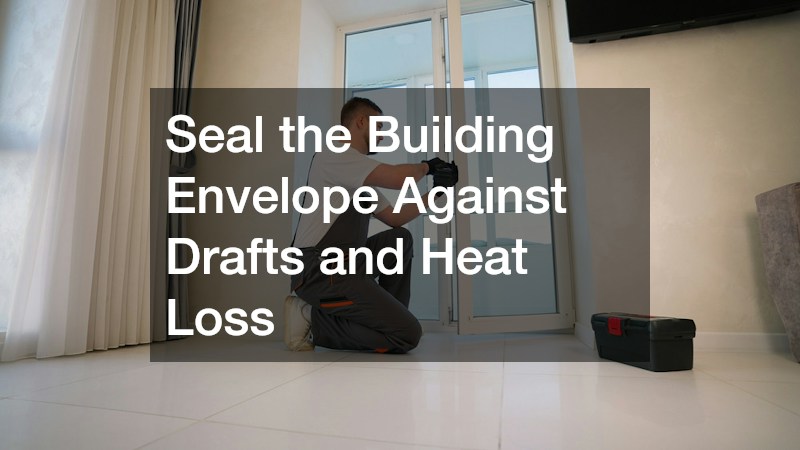
Even the most powerful heating system is ineffective if your home cannot retain the warm air it produces. In building science, the stack effect dictates that warm, buoyant air rises to the highest points of a house. If upper levels are poorly sealed, heated air escapes through under-insulated attic hatches, unsealed recessed lighting cans, and vulnerable basement rim joists. Begin by inspecting your attic insulation. Measure the depth of blown-in cellulose or fiberglass batts with a ruler and compare it against recommended regional thermal resistance standards for your climate zone. Look closely for compressed, flattened, or damp material, which signals a major loss of insulating value. While applying expanding spray foam or silicone caulk to obvious gaps is a great weekend task, diagnosing hidden thermal voids inside walls is more complex. When dealing with chronically cold rooms or walls that feel freezing to the touch, bringing in specialized insulation companies to perform thermal imaging audits and dense-pack exterior wall cavities is the most effective long-term solution.
Beyond the attic and walls, operable openings are prime suspects for heat loss. Exterior entryways and sliding glass frames endure heavy wear from daily use and shifting weather patterns.
- Perform the dollar bill test by closing an exterior door on a dollar bill and pulling it out; if it slides out with zero resistance, compression seals are failing and letting cold air inside.
- Peel away worn V-strip or adhesive weatherstripping, clean the jamb track with a mild solvent, and install fresh, high-density foam or rubber stripping.
- Adjust threshold screws at the sill to raise the bottom plate so it forms a tight, gap-free seal against the door sweep.
- Inspect glazing compound and seals on double-pane glass for internal fogging, which indicates a failed thermal seal.
Sometimes, standard weatherstripping cannot stop persistent drafts. When you encounter warped jambs, rotted wooden sills, or out-of-square frames that refuse to close tightly, hire professional door installers to realign the framing or install energy-efficient, thermally broken replacements.
Fortify Your Home’s Exterior Shell
Before winter storms blanket your property in ice and snow, secure the exterior cladding that serves as your home’s primary shield. Wind-driven sleet, freezing rain, and freeze-thaw cycles exploit loose panels, cracked lap boards, and failed caulking joints. When moisture penetrates these weak points and freezes, it expands, widening the gaps and allowing water to reach the wooden sheathing underneath. On a clear autumn afternoon, walk the perimeter of your property with binoculars to inspect upper elevations for buckling vinyl, splitting cedar shakes, or missing brick mortar. Pay close attention to gaps around utility penetrations where exterior lights, gas lines, or dryer vents exit the wall. Sealing minor gaps with an exterior-grade, paintable elastomeric sealant will often suffice. However, if you discover extensive rot, compromised weather-resistive barriers, or warped boards that cannot be re-secured, hiring a reputable siding repair service is essential to replace damaged sections before winter moisture causes structural decay.
Your roof drainage system is equally vital to protecting your home’s exterior shell. Gutters and downspouts carry thousands of gallons of freezing water safely away from your foundation.
- Wait until after the final autumn leaf drop, then clear all leaves, pine needles, and shingle grit from gutters to ensure unobstructed water flow.
- Run a garden hose into each gutter to verify that water exits downspouts rapidly without overflowing the edges.
- Confirm that downspout extensions are securely attached and direct meltwater at least five to six feet away from the foundation to prevent frost heave.
- Inspect visible portions of your concrete foundation for hairline cracks and seal them immediately with hydraulic cement to block subterranean water intrusion.
When gutters clog, standing water freezes solid. This creates ice dams that force melting snow back under roof eaves, down interior wall cavities, and through drywall and insulation. Keeping this exterior drainage pathway clear is a critical winter maintenance task.
Optimize Your Primary Central Air and Forced-Air Systems

Your central heating equipment runs for hundreds of hours every winter, making proactive optimization essential. A neglected system struggles to circulate air, consuming excessive gas or electricity while failing to maintain steady indoor temperatures. The easiest and most impactful step you can take is replacing air filters. During peak winter operation, replace filters every 30 to 90 days. A clogged filter creates high static pressure, restricting airflow and causing the heat exchanger to overheat and potentially crack. Upgrading to a pleated filter captures more dust and pet dander, though you should avoid overly restrictive ratings if an older blower motor cannot handle reduced airflow. Beyond filter swaps, mechanical components require expert inspection. Technicians perform vital safety checks homeowners cannot execute alone, including scoping heat exchangers for hairline cracks that could leak carbon monoxide, testing ignition sensors, verifying manifold gas pressure, and checking flue exhaust draft so toxic gases vent outdoors safely.
Because the first major cold snap triggers a surge in emergency calls, book licensed HVAC contractors early in autumn before waitlists stretch into weeks. Waiting too long can leave you without heat during freezing weather.
- Monitor your system for short-cycling, where the burner turns on and off rapidly without warming the house.
- Listen for metallic rattling, grinding blower bearings, or delayed ignition booms when the thermostat calls for heat.
- Check the color of gas burner flames, which should burn a crisp, steady blue; a flickering yellow pilot flame indicates incomplete combustion and requires immediate furnace repair to prevent carbon monoxide hazards.
- Clean dust from internal temperature sensors on smart or programmable thermostats with a soft brush and replace backup batteries to prevent resets during power blinks.
- Adjust damper levers on main trunk ducts to redirect warm air away from unused guest rooms toward upper floors or north-facing rooms that run cold.
Eliminate Cold Spots and Maintain Supplemental Heat Sources
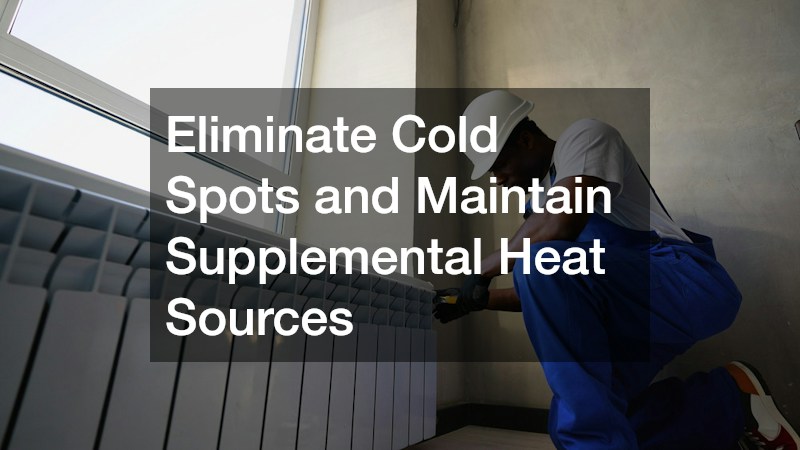
Homes heated by boilers, hydronic radiant floors, or traditional radiators enjoy comfortable, even warmth, yet they require distinct maintenance steps to eliminate cold spots. In closed-loop water systems, air bubbles inevitably become trapped inside the plumbing over summer. Because air insulates rather than conducts heat, trapped air pockets prevent hot water from circulating through radiator fins. Systematically bleed trapped air from every radiator, starting on the top floor and working down to the basement. Using a bleed key or flathead screwdriver, slowly open the top valve until you hear air hissing out, then close it tightly the moment a steady stream of water appears. For fin-tube baseboard convectors, heat distribution depends on unobstructed convection currents. Remove the metal covers and vacuum accumulated dust, cobwebs, and pet hair from the aluminum fins so cool floor air can draw upward, warm efficiently, and circulate into the room.
Even with bled radiators and clean baseboards, entire wings of a house may still feel chilly while the main boiler runs continuously.
- Inspect mechanical zone valves near the boiler to confirm they open physically when thermostats call for heat.
- Listen for the steady hum of circulator pumps moving water through individual heating loops.
- Verify that the boiler pressure gauge reads within the manufacturer’s recommended range, typically between 12 and 15 PSI for residential systems.
Failing zone actuators, air-locked loops, or worn circulator pump impellers halt hot water flow to specific rooms. Distinguish between a simple thermostat programming glitch you can fix on your phone and a true mechanical fault. When mechanical parts fail, securing professional heating repairs is the safest way to restore consistent thermal output to cold zones.
Protect Plumbing Lines and Ensure Reliable Hot Water
Winter places heavy, unseen stress on plumbing systems, starting directly with your hot water supply. As outdoor ground temperatures freeze, incoming municipal water gets significantly colder. Your water heater must work harder and run longer to raise that frigid water to 120 degrees Fahrenheit. Extended heating cycles accelerate calcium and magnesium sediment buildup at the bottom of the tank. This mineral layer insulates water from the burner, draining efficiency and causing loud popping noises as trapped water boils beneath the sediment. Attach a garden hose to the tank’s lower drain valve and flush several gallons into a floor drain or bucket until water runs clear. While at the tank, lift the temperature-pressure relief valve lever briefly to verify that water discharges and reseals properly. A sudden drop in hot water capacity signals a failing dip tube or pilot assembly, both of which call for prompt water heater repairs before mid-winter cold showers strike.
Beyond the tank, copper and PEX supply lines face serious risks of freezing and bursting in unconditioned areas.
- Identify high-risk freeze zones, including unheated crawlspaces, exterior garage walls, attic plumbing chases, and under-sink cabinets along exterior walls.
- Wrap exposed hot and cold supply pipes with slit, closed-cell foam insulation sleeves, securing seams with zip ties or plumbing tape.
- Close interior isolation shut-off valves for outdoor hose bibs, then open exterior spigots to drain remaining water from the lines.
- Leave under-sink cabinet doors open during extreme cold snaps so warm room air circulates around hidden pipes.
While pipe insulation helps greatly, it cannot resolve underlying plumbing defects. If you notice recurring low water pressure, hear water hissing behind drywall, or have aging galvanized pipes prone to splitting, hire licensed plumbers to reroute vulnerable runs or install modern frost-free sillcocks.
Prepare Your Electrical Infrastructure for Peak Winter Loads

Winter comfort demands substantial electricity, making a pre-season electrical audit essential for safety and reliability. Cold weather brings simultaneous high-draw electrical loads into the home, including portable space heaters, exterior holiday lighting, roof de-icing cables, engine block heaters, and frequent electric dryer cycles. Combined, these loads can push older circuits past safe capacity. Check labels inside your main breaker panel to see which rooms share circuits, and never daisy-chain power strips to run a 1500-watt space heater, which creates dangerous heat buildup. Watch for warning signs of overloaded circuits, such as warm wall outlet plates, a faint smell of melting plastic, or breakers that trip repeatedly. If your home relies on an outdated fuse box or needs dedicated 20-amp circuits for heavy heating equipment, scheduling professional electrical panel services is vital to prevent electrical fires.
Winter storms also bring high winds, ice-laden power lines, and neighborhood blackouts, making backup power and safety detector checks critical.
- Run portable or standby generators under load for twenty minutes before storm season, checking oil levels and testing transfer switches.
- Press test buttons on exterior GFCI outlets powering holiday lights or roof heat tape to ensure weather exposure has not disabled trip protection.
- Test hardwired smoke and carbon monoxide detectors and install fresh backup batteries so alarms stay active during grid outages.
- Pay attention to interior lighting; consistent flickering when large appliances turn on warrants immediate inspection.
Flickering lights or intermittent power loss along specific walls often point to a loose neutral connection or failing breaker. Because working inside a live panel poses severe shock hazards, always hire a qualified electrical contractor to diagnose and repair dead circuits or loose wiring before winter storms hit.
Completing a winter maintenance checklist may feel ambitious, yet systematically addressing exterior sealing, mechanical tune-ups, plumbing protection, and electrical readiness prevents costly emergency breakdowns. By stopping drafts at the source, optimizing heating equipment, insulating vulnerable pipes, and confirming your electrical panel can handle peak winter demand, you build a strong defense against freezing weather.
Do not wait for the first freeze warning to start these tasks. Divide room-by-room readiness two manageable autumn weekends: dedicate the first weekend to exterior caulking, gutter clearing, and weatherstripping, and reserve the second for mechanical flushes, electrical checks, and pipe insulation. Download a printable homeowner winter maintenance checklist to track your progress, and share your toughest cold-weather home challenge in the comments so we can help you prepare before snow arrives.