
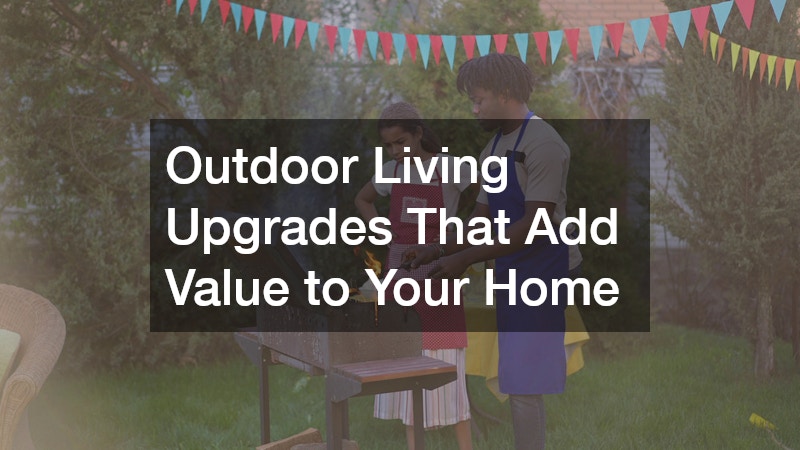
Creating an outdoor space that enhances both your lifestyle and your home’s value is one of the smartest investments a homeowner can make. A thoughtfully designed yard not only boosts curb appeal but also provides a functional and enjoyable environment for entertaining, relaxing, and spending time with family. By focusing on practical upgrades, you can turn a simple lawn into a vibrant, welcoming outdoor living area.
Understanding your property, planning carefully, and choosing the right projects can make all the difference. Outdoor improvements don’t have to be extravagant or costly; even small, well-executed upgrades can yield measurable results in home value. In this guide, we’ll explore a range of outdoor living enhancements, from trees and lawns to fences and landscaping features, offering actionable tips for homeowners ready to transform their yards.
Assessing Your Outdoor Space for Maximum Impact
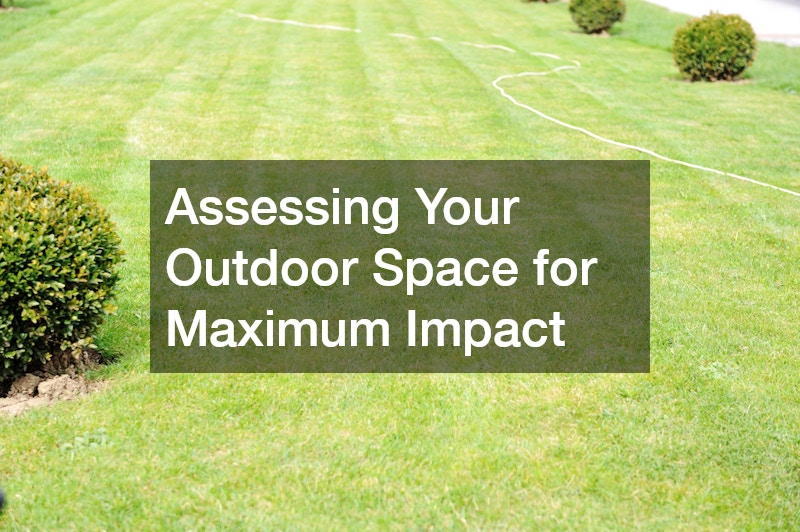
Before starting any outdoor project, it’s crucial to evaluate your yard. Understanding your property’s layout, sunlight patterns, drainage, and usable areas allows you to make upgrades that provide both aesthetic and functional benefits. Observing the yard at different times of day helps reveal which areas get the most use and which remain underutilized. Considering your long-term goals ensures that upgrades will complement both your lifestyle and future property value.
Carefully assessing your property helps you prioritize improvements that have the greatest impact. Noting natural obstacles, soil conditions, and existing features allows you to determine what changes will be most practical and visually appealing.
Plan your space with the following strategies:
- Identify high-impact zones: Areas visible from the street or near entryways can be prioritized to improve curb appeal.
- Consider functionality: Spaces for outdoor entertaining, children’s play areas, and private relaxation zones should be planned carefully.
- Evaluate natural features: Existing trees, slopes, or rock formations can influence design choices and potential improvements.
Hiring a tree removal service can be a practical first step if certain trees are dead, diseased, or obstructive. Removing problem trees creates space for new landscaping, prevents future damage to your home, and opens up areas for sunlight and air circulation. Experienced professionals ensure that trees are removed safely, protecting both your property and surrounding plants.
Planning for Safety and Healthy Trees
Healthy trees are a cornerstone of any attractive outdoor space. Regular maintenance keeps them safe and enhances property aesthetics. Inspecting trees for signs of disease or damage helps prevent future hazards. Creating a regular schedule for trimming ensures that trees remain balanced and healthy over time.
Keeping trees healthy improves both the beauty and functionality of your outdoor space. Well-maintained trees reduce risks to property and people while creating natural shade and enhancing overall landscape appeal.
A professional tree trimming service can help homeowners manage overgrown branches, improve tree shape, and prevent hazards during storms.
Key benefits of tree trimming include:
- Preventing branches from interfering with roofs, gutters, and fences.
- Promoting healthy growth by removing diseased or dead limbs.
- Improving air circulation and sunlight penetration for surrounding plants.
Maintaining trees reduces the risk of property damage and adds long-term value by keeping the yard safe and visually appealing. Well-pruned trees also create opportunities for outdoor seating or play areas that would otherwise be shaded or obstructed.
Choosing the Right Tree Experts

When planning tree-related projects, selecting a reputable local tree company is essential. Working with professionals ensures that care, removal, or maintenance is performed safely and efficiently. Asking detailed questions about methods and equipment helps homeowners understand the scope of work. Reviewing past project photos provides insight into a company’s skill level and attention to detail.
Understanding a company’s experience and range of services helps homeowners make informed decisions. Knowing which experts can handle trimming, removal, and emergency situations provides peace of mind and ensures your yard remains in top condition.
Homeowners should consider the following when hiring:
- Licensing and insurance: Ensure the company is properly insured to protect against accidents.
- Experience and reviews: Check for verified customer feedback and a history of successful projects.
- Range of services: Choose a company that offers both removal and trimming to handle future needs.
A dependable local tree company can provide guidance on which trees to keep, which to trim, and which may need removal. Their expertise ensures that your yard remains both beautiful and safe while maintaining the overall value of your home.
Preparing Your Ground for New Landscaping
Before installing new plants, lawns, or hardscape features, proper yard preparation is key. Hiring an excavating contractor can make a significant difference in the quality and longevity of your outdoor upgrades. Proper assessment of soil and drainage conditions prevents problems after installation. Planning for grading and clearing ensures that plants and structures will thrive without needing constant adjustments.
Evaluating your soil and terrain helps identify the best approach for planting and construction. Understanding where water collects, how soil drains, and which areas need reinforcement allows you to avoid future maintenance headaches.
Tasks an excavating contractor can assist with include:
- Grading the yard to prevent water pooling and improve drainage.
- Removing rocks, stumps, and debris that interfere with planting or construction.
- Preparing areas for patios, retaining walls, or garden beds.
Proper groundwork ensures that new installations, such as sod or fences, have a stable foundation. Skipping this step can result in uneven surfaces, poor drainage, and additional maintenance costs down the line.
Creating Lush, Low-Maintenance Lawns
A vibrant lawn can dramatically enhance your home’s curb appeal. Sod installations provide a quick and effective way to establish a healthy, attractive lawn, especially compared to traditional seeding methods. Choosing the right time of year for installation improves success rates and root development. Preparing a clear watering and maintenance plan ensures that the lawn establishes quickly and remains healthy.
Planning your lawn layout helps ensure even growth and easy maintenance. Considering traffic patterns, sunlight exposure, and irrigation options prevents bare spots and encourages a durable, attractive lawn.
Consider these tips when installing sod:
- Choose the right type of grass suited to your climate and soil type.
- Prepare the soil by removing weeds, rocks, and debris before laying sod.
- Water newly installed sod consistently for the first few weeks to encourage root establishment.
Sod installations allow homeowners to enjoy a ready-to-use lawn immediately. A well-maintained lawn can serve as a foundation for outdoor activities, garden beds, or decorative features, making your property more appealing and functional.
Designing Functional and Aesthetic Landscapes
Landscaping goes beyond simply planting flowers or shrubs. Thoughtful design integrates plants, pathways, and features to create a cohesive outdoor environment. Taking measurements and creating a scaled plan helps determine what fits naturally within the space. Considering both beauty and practicality ensures a yard that is visually appealing and easy to maintain.
Planning the placement of plants and features in advance avoids overcrowding and ensures proper sunlight, water, and space for growth. Thoughtful design prevents maintenance issues and creates a harmonious flow throughout the yard.
Hiring a landscaping service can streamline this process and provide expert guidance.
Actionable tips for effective landscaping:
- Layer plants: Combine trees, shrubs, and groundcovers for texture, color, and seasonal interest.
- Plan for accessibility: Ensure pathways are functional and connect main outdoor spaces.
- Incorporate focal points: Features like water elements, sculptures, or fire pits can anchor your design.
A landscaping service brings expertise in plant selection, soil health, and long-term maintenance. By coordinating planting with other upgrades, such as fences or outdoor seating areas, you can create a visually appealing and highly usable yard.
Enhancing Privacy and Security With Fences

Installing a fence is both a practical and aesthetic upgrade that adds value to your home. Fencing services can help homeowners select materials and styles suited to their needs, whether for privacy, security, or decoration. Considering how the fence interacts with neighboring properties ensures privacy and harmony. Factoring in maintenance and durability prevents unexpected repairs in the future.
Fencing can define spaces and create a sense of structure in your yard. Proper planning ensures the fence supports both functional needs and overall aesthetic appeal.
Key considerations when upgrading fencing:
- Choose materials that withstand your local climate.
- Ensure the fence complements the home’s architectural style.
- Plan for height and spacing based on privacy and safety needs.
Properly installed fencing protects your property, creates private spaces, and adds a defined structure to the yard. It’s an investment that pays off in both functionality and curb appeal.
Selecting the Right Fence Professionals
When installing a new fence, working with an experienced fence company and professional fence installers ensures quality and durability. Mistakes during installation can lead to sagging, uneven panels, or long-term maintenance issues. Requesting detailed project timelines allows homeowners to plan for installation disruptions. Visiting previous installations gives confidence in the team’s craftsmanship.
Understanding the team’s approach to installation and materials prevents problems later. Homeowners who clearly communicate expectations are more likely to get a finished product that meets their needs and lasts for years.
Tips for hiring fence professionals:
- Request multiple quotes to compare materials, labor, and timelines.
- Verify references and past projects to assess workmanship.
- Ensure installers follow local building codes and regulations.
Experienced fence installers can handle everything from site preparation to finishing touches, providing a seamless and attractive outdoor feature. Choosing the right team reduces headaches and ensures your fencing investment lasts for years.
Maximizing Outdoor Functionality With Gates
Gates are more than just entry points—they contribute to security, accessibility, and design. Fencing and gates work together to create defined areas and control movement throughout your yard. Planning for swing or sliding mechanisms ensures smooth operation and safety. Choosing locations that accommodate traffic patterns avoids future inconvenience.
A well-placed gate enhances movement throughout your property. It can also serve as a visual anchor and improve the overall flow of your outdoor space.
Practical considerations for gates:
- Select materials that match or complement your existing fence.
- Ensure gate hardware, such as hinges and locks, is durable and weather-resistant.
- Consider automation for large or frequently used gates to increase convenience.
Well-planned gates enhance both the usability and visual appeal of your property. They can separate zones for pets, children, or gardens while providing a welcoming entrance for guests.
Integrating Outdoor Features for Enjoyment
Adding outdoor living features like patios, decks, fire pits, and seating areas transforms a yard into a multifunctional space. Thoughtful integration ensures these features complement the landscape rather than overwhelm it. Evaluating how people will move through the space prevents congestion and improves usability. Selecting materials that endure weather conditions reduces maintenance and prolongs life.
Planning outdoor features in relation to existing structures maximizes utility and aesthetic appeal. Coordinating color, texture, and style helps the yard feel cohesive and inviting.
Actionable tips:
- Create zones: Define spaces for dining, relaxation, and recreation.
- Coordinate materials: Match wood, stone, or composite elements with the overall style.
- Plan for weather: Use shade structures, umbrellas, or pergolas to make spaces usable year-round.
These upgrades not only improve lifestyle but also increase the perceived value of your home. Potential buyers are often drawn to functional outdoor living spaces that are ready for entertaining and relaxation.
Maintaining Value With Long-Term Care
Even the best-designed outdoor spaces require maintenance to retain their appeal and value. Regular care ensures lawns, trees, fences, and other features remain attractive and functional over time. Keeping a seasonal calendar of maintenance tasks helps avoid issues before they become expensive problems. Planning for preventive care protects investments and maintains the property’s appearance.
Scheduling routine checkups and knowing when to intervene prevents deterioration. A proactive approach reduces repair costs and ensures the yard remains consistently attractive.
Maintenance tips:
- Schedule annual inspections with local tree companies to catch potential issues early.
- Regularly fertilize and water lawns, and trim or prune plants as needed.
- Keep fences and gates in good repair, addressing weathering or damage promptly.
Investing in consistent upkeep prevents expensive repairs, preserves the beauty of your outdoor spaces, and maintains the enhancements you’ve added to your home.
Outdoor living upgrades provide both practical benefits and increased home value. By thoughtfully planning improvements, from tree care and lawns to fencing and gates, homeowners can create functional, attractive, and enjoyable spaces. A well-executed outdoor design balances aesthetics, safety, and long-term maintenance, making the property more appealing for everyday use and for potential buyers. Taking small, deliberate steps toward enhancing your yard can yield significant returns in both lifestyle enjoyment and property investment.