

For many of us, the home has become more than just a place to eat and sleep. It is now our classroom, our office, and our creative studio. Whether you are a student preparing for big exams or a professional working from home, having a dedicated space to focus is vital. However, simply sitting on the couch with a laptop usually doesn’t work. Before long, you are distracted by the TV, the fridge, or a comfortable pillow, and your productivity disappears.
Creating a “study room” doesn’t mean you need a massive library with oak bookshelves and a fireplace. It means creating a specific environment that tells your brain, “It is time to get to work.” When you design a room with focus in mind, you can get more done in two hours than you would in five hours of sitting in a distracting environment.
In this guide, we are going to explore the best study room ideas to boost your concentration. We will look at how to choose the right colors, how to set up your desk for health, and how to use lighting to keep your energy high. By the end of this article, you will be ready to build a “productivity powerhouse” in any corner of your home.
1. Location: The Foundation of Focus
The first step in any home improvement project is picking the right spot. For a study room, the “where” is just as important as the “what.”
- Away from the “Hot Zones”: If possible, choose a room far away from the kitchen and the living room. These are high-traffic areas where people talk, cook, and watch TV.
- The “Dedicated Space” Rule: If you don’t have a whole room to spare, use a “nook” or a corner of a guest bedroom. The key is that this space should only be for work. If you study in bed, your brain gets confused about whether it should be sleeping or thinking.
- Consider the View: Some people find looking out a window relaxing, while others find it distracting. If you find yourself “people-watching” instead of working, face your desk toward a wall and use art to make the space feel inviting.
2. The Science of Color: Paint for the Brain
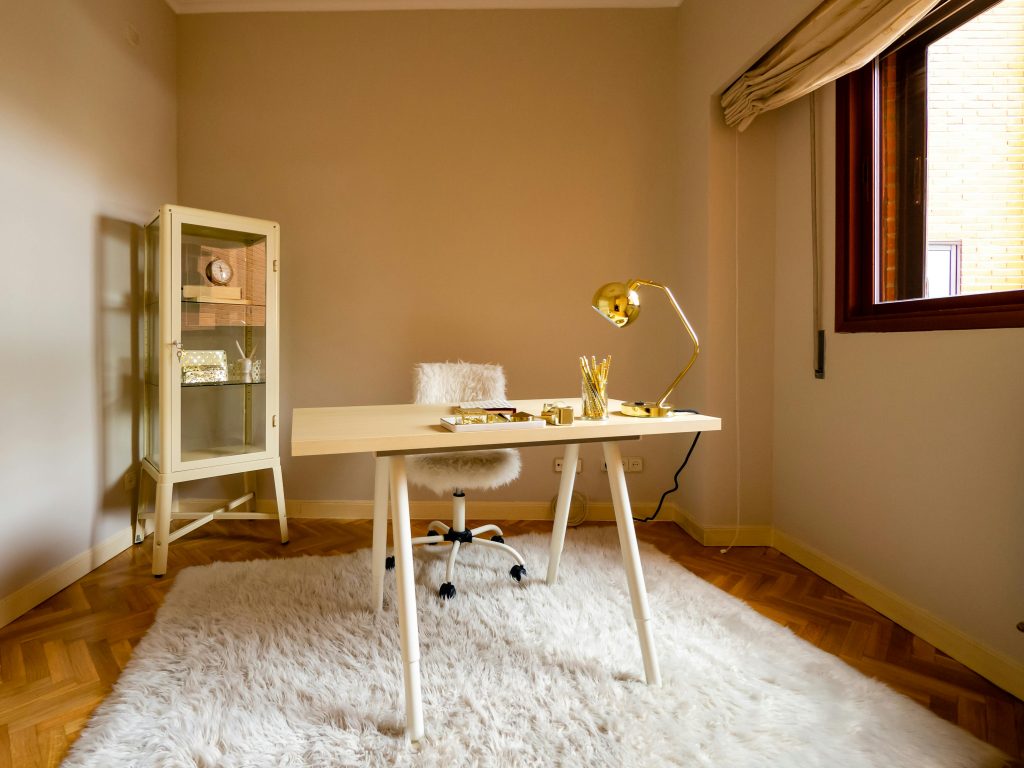
Paint is one of the cheapest home makeover tools, and it has a massive impact on your mood. In a study room, you want colors that keep you calm but alert.
- Blue for Productivity: Studies show that soft shades of blue help people focus on repetitive or difficult tasks. It lowers your heart rate and keeps you calm.
- Green for Creativity: If your work involves writing, designing, or brainstorming, green is a great choice. It reduces eye strain and reminds us of nature, which helps the “creative juices” flow.
- Avoid “High-Energy” Colors: Bright reds and oranges can be too stimulating. They might make you feel anxious or restless if you have to sit in the room for several hours.
- The “Off-White” Balance: Pure, bright white can be very harsh under LED lights. Choose a “warm white” or a soft beige to keep the room feeling bright but cozy.
3. Ergonomics: Designing for Your Body
You cannot be productive if your back hurts or your neck is stiff. “Ergonomics” is the study of how to arrange a workspace so it fits the human body.
- The Desk Height: When you sit at your desk, your elbows should be at a 90-degree angle while you type. If the desk is too high, your shoulders will hunch up, leading to headaches.
- Monitor Placement: The top of your computer screen should be at eye level. If you are using a laptop, consider buying a “laptop stand” and a separate keyboard. Looking down at a screen for hours causes “tech neck,” which is very painful.
- Invest in the Chair: This is the most important piece of furniture in the room. Look for a chair with “lumbar support” (a curve that fits the small of your back). Your feet should be flat on the floor, and your knees should be level with your hips.
4. Lighting: Keeping the “Brain Fog” Away
Bad lighting is the number one cause of headaches and “afternoon slumps.” A good study room needs a “layered” lighting plan.
- Natural Light: Sunlight is the best “energy drink” for your brain. It regulates your sleep-wake cycle and boosts your mood. Try to place your desk near a window, but keep the screen at a right angle to the glass to avoid “glare.”
- Task Lighting: This is a dedicated lamp on your desk. Use a lamp with an adjustable arm so you can point the light exactly where you need it (like on a textbook or a notepad).
- The Color of Light: For studying, “cool white” bulbs are better than “warm yellow” ones. Cool light mimics daylight and keeps you feeling alert.
- Ambient Lighting: This is your overhead light. Make sure it isn’t too dim. A dark room makes your eyes work harder to see the bright computer screen, which leads to eye fatigue.
5. Organization: A Clear Desk is a Clear Mind
There is an old saying: “A cluttered desk is a sign of a cluttered mind.” When you are surrounded by piles of paper and random pens, your brain feels overwhelmed.
- Vertical Storage: If your desk is small, look “up.” Install floating shelves or a pegboard on the wall. This keeps your pens, notebooks, and chargers off your workspace but still within reach.
- The “Daily Purge”: Spend the last five minutes of your day cleaning your desk. Put away your pens and file your papers. Walking into a clean study room the next morning makes it much easier to start working.
- Cable Management: Use “cable clips” or a “power strip box” to hide the mess of wires under your desk. A tangle of black wires looks messy and collects dust.
6. Sound Control: Creating a “Quiet Zone”
Noise is the ultimate productivity killer. If you can hear the dishwasher running or a dog barking, your focus is broken.
- Soft Surfaces: Hard floors and bare walls reflect sound and create echoes. Add a plush area rug and some fabric curtains to “soak up” the noise.
- White Noise: If you live in a loud neighborhood, a white noise machine or a small fan can help drown out the background sounds.
- The “Focus Playlist”: Many people find that “Lo-Fi” beats or classical music without lyrics helps them concentrate. Lyrics can be distracting because your brain tries to follow the words.
7. Temperature and Air Quality
It is hard to work if you are shivering or sweating. The “ideal” temperature for productivity is usually around 70°F (21°C).
- Airflow: Stale air makes you feel sleepy. If the weather is nice, crack a window. If not, a small air purifier can help keep the air fresh and remove dust.
- Plants for Oxygen: Adding a “Snake Plant” or a “Pothos” isn’t just for looks. Plants help clean the air and have been shown to reduce stress levels in office environments.
8. Personalization vs. Distraction
A study room should reflect your personality so you enjoy being there, but you have to be careful not to over-decorate.
- Inspiration Boards: A “vision board” or a simple corkboard with your goals and favorite quotes can be very motivating.
- Limit the Gadgets: Keep your phone in another room or in a drawer. If you can see your phone, your brain is constantly thinking about checking notifications.
- The “One Item” Rule: Allow yourself one or two personal items on the desk—like a photo of your family or a small souvenir. Anything more than that starts to become “visual noise.”
9. The “Zone” Layout: Thinking Beyond the Desk
If you have a larger room, consider breaking it into “zones.”
- The Digital Zone: This is your main desk with your computer and monitor.
- The Analog Zone: This is a separate table or a comfortable chair where you do your reading or brainstorming with just a pen and paper. Getting away from the screen for 20 minutes can help you solve a difficult problem.
- The Movement Zone: Leave enough floor space to stretch or stand up. Standing up for five minutes every hour keeps your blood flowing and prevents you from feeling sluggish.
10. Building Your Study Room on a Budget
You don’t need to spend thousands of dollars to create a great workspace.
- Thrift the Desk: Check local thrift stores or “Buy Nothing” groups for solid wood desks. A fresh coat of paint can turn an old table into a designer piece.
- DIY Lighting: You can add “LED strips” behind your desk for a modern, cool look for under $20.
- Repurpose Containers: Use old glass jars for pens and shoeboxes for paper storage. With a little bit of contact paper, these can look very high-end.
The ROI of a Good Study Room
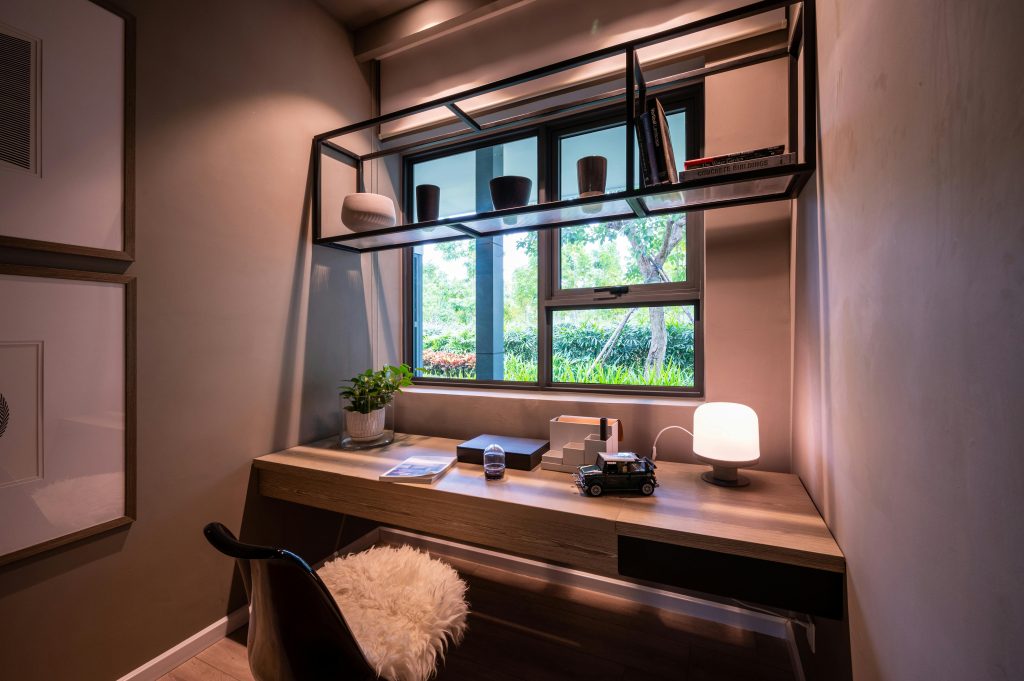
In a home improvement blog, we usually talk about the “Return on Investment” (ROI) in terms of money. A study room might not add $10,000 to the price of your house, but it adds a different kind of value. It gives you back your time.
When you work in a space that is designed for focus, you finish your tasks faster. That means more time for your family, your hobbies, and your sleep. A good study room is an investment in yourself and your future success.
Conclusion
Creating a productive study room is about more than just buying a desk and a chair. It is about crafting an environment that supports your body and your brain. By choosing the right colors, managing your lighting, and keeping your space organized, you can transform the way you work at home.
Start small. This weekend, pick your spot and clear the clutter. Next weekend, look into a better chair or a new lamp. Before you know it, you will have a sanctuary of focus that makes “getting to work” something you actually look forward to.
Your home is your castle, but your study room is where the magic happens. Happy studying!