
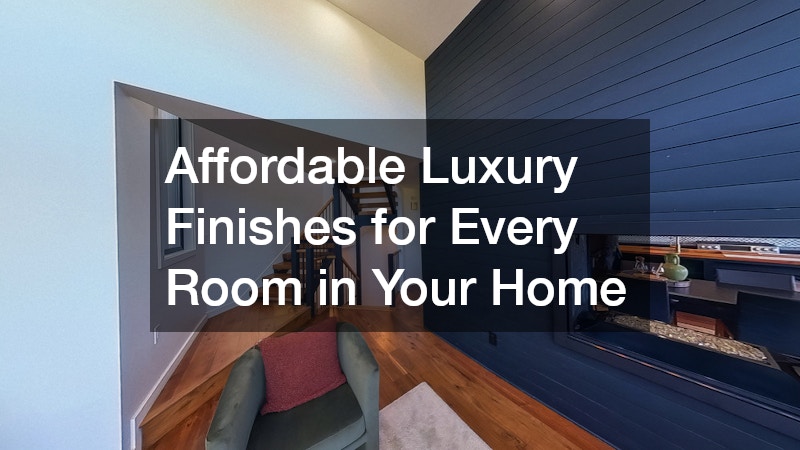
Every homeowner dreams of rich countertops, gleaming floors, and designer touches that make a house feel like a five-star retreat. The good news is that luxury does not have to mean an unlimited budget or a total teardown. With smart planning, the right professionals, and a clear sense of priorities, you can layer high-end finishes into your home one room at a time. This guide breaks down where to invest, where to save, and how to sequence upgrades so your home feels elevated without draining your savings.
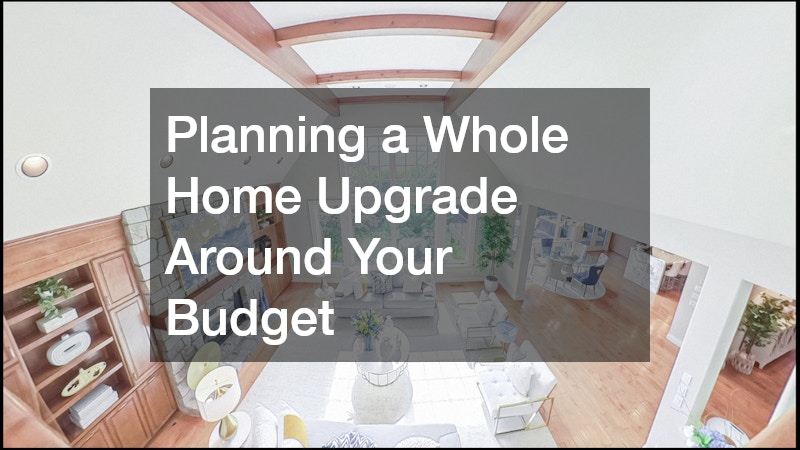
Planning a Whole Home Upgrade Around Your Budget
Before picking a single finish or fixture, it helps to map out a realistic sequence for your upgrades. Trying to renovate every room simultaneously often leads to compromises on quality just to stretch the dollars further. Instead, prioritize the rooms you use most or that impact resale value, then plan subsequent phases as budget allows.
If you are considering a larger scale change, bringing in a custom home builder for a consultation early can help you understand what is structurally possible before you fall in love with a finish that will not work in your space. They can also help you sequence work so plumbing, electrical, and structural changes happen before cosmetic upgrades, saving you from costly rework later.
- List your rooms in order of daily use and visual impact
- Set a per-room budget ceiling before shopping for materials
- Separate must-have structural work from optional cosmetic upgrades
- Build in a 10 to 15 percent contingency for surprises
Turning an Unfinished Basement Into Livable Luxury
A basement is often the most cost-effective place to add serious square footage and a touch of indulgence, whether that means a home theater, a wine room, or a guest suite. Because the space is already enclosed, much of the expense in other additions, like roofing and exterior walls, is already handled. This makes it possible to allocate more of the budget toward finishes rather than structure.
Hiring an experienced basement refinishing contractor is worth the investment because they understand moisture control, insulation, and code requirements specific to below-grade spaces. A contractor familiar with these challenges can also recommend materials that mimic higher-end looks, like engineered stone accents or wood-look tile, without the risk of warping in a damp environment.
- Address moisture and drainage issues before installing any finishes
- Choose moisture-resistant materials for flooring and trim
- Add recessed lighting to make ceilings feel higher
- Consider a small wet bar or kitchenette for added function

Expanding Outdoor Living With a Well Designed Deck
Outdoor living spaces have become one of the most desirable upgrades for homeowners who want a resort-like feel without leaving their property. A thoughtfully designed deck extends your living space and creates a natural transition between the indoors and the backyard. It also tends to offer a strong return on investment compared to many interior renovations.
Working with a skilled deck builder allows you to explore composite materials that replicate the look of exotic hardwood at a fraction of the maintenance and cost. Built-in seating, layered lighting, and a defined dining or lounge zone can make a modest deck feel like an outdoor suite. Railings with cable or glass panels are another way to add a high-end look without significantly increasing the budget.
- Choose composite decking for durability and low maintenance
- Add built-in bench seating to save space and add polish
- Install low-voltage lighting along steps and railings
- Frame a defined dining or lounge area with a pergola or planters
Creating More Room Without Moving to a New House
For growing families or those who simply need more functional space, expanding the existing footprint can be more affordable than buying a new home once you factor in moving costs, closing fees, and market conditions. Home additions allow you to design a space specifically suited to your lifestyle, whether that is a primary suite, a home office, or an expanded family room. It also lets you keep the neighborhood, school district, and yard you already love.
The key to keeping an addition affordable is matching its scope to your actual needs rather than building larger than necessary. A well-planned addition ties seamlessly into your existing roofline, siding, and flooring so it does not look like an obvious add-on. Working with a designer who understands your home’s original architecture helps ensure the new space feels intentional rather than tacked on.
- Match rooflines and exterior materials to the existing structure
- Consider energy-efficient windows and insulation for the new space
- Reuse existing plumbing or electrical lines when possible to cut costs
- Prioritize function first, then layer in finishes

Choosing Countertops That Look High End Without the High Price
Few upgrades change the feel of a kitchen as dramatically as new countertops. Natural stone has long been the benchmark for luxury, but there are now quartz and porcelain options that replicate the veining and depth of marble or granite at a lower price point. The key is choosing a material that fits both your budget and your daily habits, since some natural stones require more upkeep than manufactured alternatives.
Professional kitchen counter installation ensures seams are minimized, edges are finished cleanly, and the counters are properly sealed and supported. A rushed or DIY installation can lead to cracking, uneven surfaces, or premature wear that costs more to fix later. Investing in proper installation protects the material investment you have already made and ensures the finished look matches the showroom sample you fell in love with.
- Compare quartz, porcelain, and natural stone for durability and cost
- Ask about edge profiles, since a waterfall or beveled edge can elevate the look
- Request samples in your actual kitchen lighting before deciding
- Confirm sealing and maintenance requirements before installation day
Upgrading Cabinetry for a Custom Look on a Standard Budget
Cabinetry sets the tone for an entire kitchen or bathroom, and custom looks are more accessible than most homeowners realize. Semi-custom options allow you to choose specific dimensions, finishes, and hardware without paying for a fully bespoke build. This gives you room to invest in higher quality materials in key areas, like a statement island, while keeping perimeter cabinets more budget friendly.
Local cabinet makers can often refinish or reface existing cabinet boxes rather than replacing them entirely, which preserves your budget for other upgrades like hardware or lighting. This approach keeps usable cabinetry out of the landfill while still delivering a fresh, high-end appearance. Soft-close hinges, integrated lighting, and custom pull-out organizers are relatively low-cost additions that make cabinetry feel far more luxurious.
- Ask about refacing or repainting existing cabinet boxes
- Choose one statement finish for an island or focal wall
- Add soft-close hardware for a more refined feel
- Consider glass-front uppers to break up solid cabinetry visually

Selecting Flooring That Elevates Every Room
Flooring ties every room together, and the right choice can make a space feel cohesive and elevated even before other finishes are added. Wide-plank engineered hardwood, large-format tile, and luxury vinyl plank all offer high-end aesthetics with varying price points and maintenance needs. Matching flooring style across adjoining rooms, rather than switching materials at every doorway, also creates a more polished, high-end feel.
A qualified flooring contractor can help you understand subfloor conditions, moisture levels, and structural considerations that affect which materials will perform well in each room. This is especially important in kitchens, bathrooms, and basements where humidity and temperature swings are more common. Getting professional input before purchasing materials prevents costly returns or premature failure.
- Match flooring tones across open-concept spaces for continuity
- Choose water-resistant materials for kitchens, baths, and basements
- Ask about underlayment options to improve comfort and sound
- Request a moisture test before installing hardwood over concrete
Restoring Natural Stone Surfaces to Their Original Shine
If your home already has marble, travertine, or natural stone surfaces, restoring rather than replacing them is often the more budget-friendly path to a luxury look. Over time, stone can develop etching, dullness, or scratches from daily use and cleaning products that are too acidic. Professional marble polishing can remove surface damage and restore the reflective, high-end finish the material is known for.
This process typically involves honing down minor imperfections before applying a polishing compound that brings back the stone’s natural shine. It is far less expensive than removing and replacing an entryway floor, bathroom vanity top, or fireplace surround made of natural stone. Regular maintenance after polishing, including using pH-neutral cleaners, helps preserve the finish for years.
- Avoid acidic or abrasive cleaners on natural stone surfaces
- Reseal polished stone periodically to protect against staining
- Address etching quickly before it becomes more difficult to remove
- Use coasters and trivets on stone countertops to prevent new damage
Dressing Windows to Add Softness and Sophistication
Window treatments are one of the most overlooked ways to add a luxurious feel to a room, yet they have an outsized visual impact for a relatively modest cost. Floor-length drapery, layered sheers, and tailored roman shades all add texture and depth that hard surfaces alone cannot achieve. The right treatment also improves privacy, controls light, and can even help with energy efficiency.
A few sizing tricks make a dramatic difference without adding to the budget. Hanging curtain rods two to three inches above the window frame, and extending them a few inches beyond the frame on either side, makes windows appear taller and wider while allowing panels to fully clear the glass when open. Choosing floor-length or slightly puddled drapery instead of panels that stop short of the sill instantly reads as more expensive and intentional.
Layering is another low-cost way to mimic a designer look. Pairing sheer under-curtains with a heavier outer drape adds dimension, softens harsh daylight, and gives you flexibility to adjust privacy throughout the day. Even a single set of well-chosen linen or cotton-blend curtains, at a fraction of the cost of custom drapery, can elevate a room when hung correctly.
Fabric choice matters as much as style. Natural-looking materials like linen, heavier cotton weaves, or velvet convey a richer feel than thin, shiny polyester, even when purchased off the rack. Solid neutrals or subtle textures tend to look more upscale and timeless than busy patterns, which can date a room quickly and clash with other finishes.
Finally, don’t overlook hardware. Swapping basic plastic rods for substantial metal or wood ones with decorative finials is an inexpensive upgrade that reads as custom, tying the whole window treatment together and reinforcing the sense of considered, high-end design.
Windows dressed with intention can elevate a room faster than almost any other change, and much of that impact comes down to hardware. A substantial rod—look for at least 1 inch in diameter—paired with a finial in a finish that echoes your door handles, faucets, or light fixtures creates a cohesive, custom look. Brass, matte black, and brushed nickel are versatile choices that read as upscale without straying into trendy territory.
Mounting height and width matter just as much as the hardware itself. Installing rods 4 to 6 inches above the window frame and extending them 6 to 10 inches beyond each side lets curtains hang without blocking light and makes ceilings feel taller. This small adjustment costs nothing extra but mimics the proportions found in professionally designed spaces.
Motorized or cordless shades add a modern, upscale touch while also improving safety for homes with young children or pets. Many battery-powered options now retail in the $50 to $150 range per window, making them far more attainable than whole-home automation systems used to be. Beyond safety, they offer the convenience of scheduling shades to open and close automatically, which reads as a thoughtful, high-end touch to guests.
Even swapping basic blinds for a tailored roman shade in a high-quality fabric—like linen, cotton blend, or a subtle textured weave—can transform a room without a major renovation. Lining the shades adds structure, blocks light more effectively, and gives them the crisp, tailored silhouette seen in designer homes. For an even more custom feel, consider adding a contrast trim or banding along the shade’s edge, a detail that costs little but signals real craftsmanship.
- Hang curtain rods 4-6 inches below the ceiling (or just below crown molding) and extend them 6-10 inches beyond the window frame to make windows look larger and rooms feel taller
- Choose fabrics with weight and texture — think velvet, linen blends, or heavyweight cotton — for a drape that pools slightly at the floor rather than skimming it
- Layer sheers behind heavier drapery to soften incoming light while keeping privacy flexible throughout the day
- Consider cordless or motorized shades for a cleaner, modern look, and check for smart-home compatibility if you want app or voice control
- Stick to a neutral or tone-on-tone palette for large window treatments, saving bold color for smaller accents elsewhere
- Add decorative hardware like brushed brass or matte black finials and rings to elevate even budget-friendly curtain panels
Making a Fireplace the Focal Point It Deserves to Be
A fireplace is often the emotional and visual center of a living room, and updating it can dramatically change the feel of the entire space. Simple changes like a new mantel, updated surround material, or a fresh coat of paint on dated brick can modernize a fireplace without a full rebuild. For homeowners wanting more dramatic change, converting a wood-burning fireplace to gas or adding a linear insert can update both style and function.
Professional fireplace services ensure that any changes to venting, gas lines, or surrounds meet safety codes and operate efficiently. This is especially important if you are changing fuel types or adding features like a remote-controlled ignition system. A properly serviced and updated fireplace not only looks better but performs more safely and efficiently for years to come.
- Update the mantel and surround before considering a full replacement
- Ask about converting wood-burning fireplaces to gas for convenience
- Have gas lines and venting inspected by a qualified professional
- Consider a linear or see-through insert for a more modern look
Bringing luxury into your home is less about spending without limits and more about making informed choices, room by room, with the right professionals guiding each step. Start with the space that will make the biggest daily impact on your life, whether that is a refreshed kitchen, a finished basement, or a new deck for outdoor entertaining. As you move through each project, focus on quality installation and finishes that will hold up over time rather than shortcuts that need to be redone. With a clear plan and trusted experts on your side, an elevated, high-end home is well within reach.