

Expanding your home requires intense logistical planning and infrastructure upgrades long before interior design begins. Successfully executing a major residential addition relies on mastering the gritty, foundational phases of construction, starting with transforming your property into a highly capable workspace for heavy machinery, raw materials, and temporary sanitation. Property owners must look beyond aesthetic finishes to address exactly how massive amounts of earth will be excavated, how colossal structural components will be safely hoisted, and where the continuous flow of construction debris will be routed. Furthermore, a substantial expansion often triggers mandatory utility upgrades, requiring engineered interventions for water sourcing and wastewater management to comfortably support new plumbing and electrical demands. By prioritizing these invisible infrastructure needs and seamlessly integrating weatherproofing and roofing materials, you ensure your newly expanded space is built safely, efficiently, and to the highest standards of structural quality.
Rent Heavy Gear
Transforming your current property layout to accommodate a brand-new addition requires significant mechanical power, instantly shifting the project from a standard indoor renovation to a full-scale outdoor construction zone. Moving massive amounts of soil, grading the surrounding landscape for proper water drainage, and aggressively preparing the subgrade for a new foundation are arduous tasks that simply cannot be accomplished with hand tools and standard manual labor. It becomes immediately apparent that robust, earth-moving machinery is the absolute foundational requirement for getting the project off the ground efficiently and keeping the initial construction phases on schedule.
Securing the right machinery at the precise moment your project timeline demands is crucial for protecting your budget and ensuring the construction crew remains highly productive. By utilizing a reliable heavy equipment rental provider, project managers can seamlessly access specialized, meticulously maintained machinery like skid steers, backhoes, and trenchers for the exact duration they are needed. This strategic approach allows homeowners to leverage industrial-grade power to shape their property without taking on the exorbitant purchase costs, storage requirements, and ongoing maintenance liabilities associated with machinery ownership.
Clear Debris Out
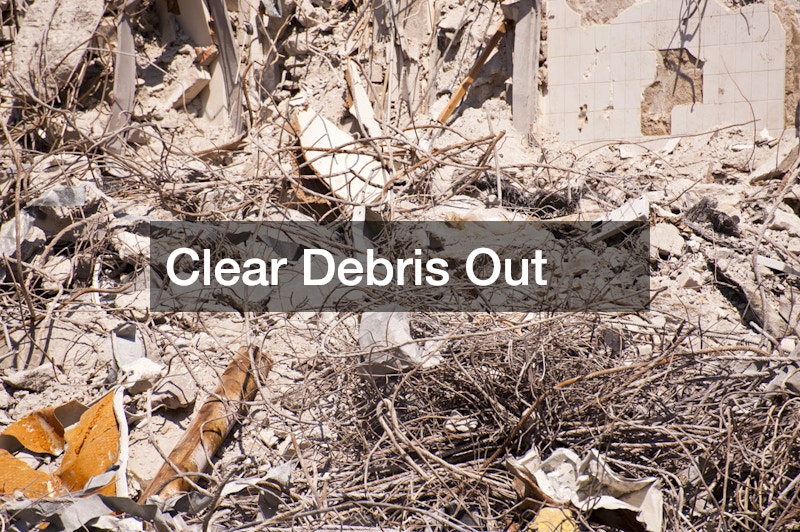
Demolition and site preparation inherently generate a staggering volume of heavy waste, ranging from torn-up concrete and old drywall to excess dirt, splintered framing wood, and discarded material packaging. Managing this continuous flow of debris is not just a matter of keeping the job site visually organized; it is a critical occupational safety requirement that prevents severe tripping hazards, allows large machinery to maneuver freely, and keeps the construction schedule moving without logistical bottlenecks. Establishing a centralized, high-capacity waste management strategy on the very first day prevents the property from devolving into a hazardous, unnavigable environment.
For most residential additions, selecting the appropriately sized waste container requires a delicate balance between maximizing debris capacity and minimizing the physical footprint taken up in the homeowner’s driveway. Relying on 13 yard dumpsters provides the perfect, highly specific solution for these mid-to-large-scale residential projects. They offer enough internal volume to handle dense materials like roofing shingles, excavated dirt, and lumber offcuts, while remaining compact enough to fit comfortably in a standard suburban driveway without blocking essential access for delivery trucks and construction personnel.
Lift Heavy Loads
Modern home additions frequently utilize prefabricated structural components that are far too massive and incredibly unwieldy to be hoisted manually by a standard framing crew. Large-scale steel I-beams required for modern open-concept floor plans, prefabricated engineered roof trusses, and oversized pallets of raw masonry must be elevated and placed with absolute geometric precision to ensure the structural integrity of the newly built space. Attempting to maneuver these massive architectural elements without dedicated mechanical assistance not only risks severe injury to the workers but also introduces the potential for catastrophic, irreversible damage to the existing home structure.
Coordinating the precise arrival and operation of vertical lifting machinery is a highly specialized logistical task that requires an experienced operator to safely navigate overhead power lines, mature neighborhood trees, and the existing, fragile roofline. Bringing in professional crane services ensures that heavy structural beams and bulky roofing materials are safely and efficiently hoisted directly to their final installation points. This dramatically accelerates the entire framing phase and successfully mitigates the extreme physical risks associated with manual heavy lifting on a busy residential job site.
Relocate Items

Before any walls can be forcefully knocked down or new concrete foundations poured, the footprint of the new addition—and the immediately adjacent rooms in the existing house—must be completely cleared of furniture, personal belongings, and sensitive valuables. The intense vibration, pervasive airborne dust, and constant foot traffic associated with major residential construction will inevitably damage any items left behind in these transition zones. Thorough site clearing is a mandatory first step that creates a secure, unimpeded buffer zone, allowing builders to work quickly without the constant fear of destroying the homeowner’s prized possessions.
While some ambitious homeowners attempt a strenuous do-it-yourself approach to clearing out their living space, the physical toll and the high risk of damaging valuable items during a rushed move can add massive, unnecessary stress to an already complex project. Hiring professional moving companies to carefully pack, transport, and temporarily store furniture and personal belongings in a secure, climate-controlled facility ensures the construction zone remains completely sterile. This guarantees that the homeowner’s valuable assets remain pristine and protected until the brand-new addition is completely finished and ready for move-in.
Dig Foundations
The long-term structural longevity of any home addition relies entirely on the absolute quality and required depth of its foundation, which must firmly anchor the new square footage beneath the local frost line and seamlessly tie into the existing home’s base. Breaking ground requires cutting forcefully through compacted soil, dense rock layers, and intertwined root systems to carve out a perfectly level, dimensionally accurate trench or basement cavity. This critical early phase sets the geometric baseline for the entire project, meaning any inaccuracies in the dig will inevitably compound into severe alignment issues during the framing, drywall, and roofing stages.
Navigating the tight spatial constraints of a residential backyard while simultaneously removing tons of dense earth requires machinery that perfectly balances raw digging power with precise, articulated control. Securing the right excavator rentals allows the site preparation crew to cleanly dig out concrete footings, trench for new underground utility lines, and quickly load out excess dirt with pinpoint accuracy. This ensures the surrounding delicate landscape and the existing home foundation remain completely undisturbed as you explore your favorite home updates ideas and begin reshaping the property.
Drill New Wells

Expanding a home’s footprint, particularly when adding supplementary luxury bathrooms, a dedicated laundry suite, or an attached self-sufficient guest dwelling, significantly increases the daily water demand of the entire property. For homes located in rural or semi-rural areas that operate completely independently of municipal water grids, the existing underground water infrastructure may lack the necessary flow rate and aquifer capacity to support the newly expanded household. Anticipating these critically increased infrastructure demands is a crucial part of planning, as realizing you lack adequate water pressure after the drywall is finished is a devastating and highly costly oversight.
When a major addition pushes the property’s daily water requirements far past the capacity of the current subterranean system, establishing a completely new, deeper, or higher-yield water source becomes a mandatory phase of the construction plan. Contracting a licensed well driller guarantees that the job site is properly surveyed for optimal aquifer access and that the new borehole is safely constructed according to strict local environmental codes. This ensures the resulting independent water supply is robust enough to comfortably service the newly expanded home for decades to come.
Add Site Toilets
Maintaining a highly sanitary, legally compliant, and incredibly functional job site is a logistical necessity that directly impacts the daily morale of the construction crew and the cleanliness of your existing living space. When dozens of carpenters, electricians, plumbers, and municipal inspectors are working on your property for several consecutive months, you simply cannot rely on the indoor bathrooms of your primary residence to accommodate their constant needs. Failing to provide dedicated, outdoor sanitation facilities inevitably leads to severe site contamination, frustrating workflow interruptions, and highly unacceptable intrusions into the homeowner’s private sanctuary.
Properly outfitting the busy construction zone means strategically placing temporary sanitation units in easily accessible but visually unobtrusive locations, ensuring they are serviced regularly throughout the duration of the entire build. Arranging for a reliable porta potty rental service guarantees that all workers have uninterrupted access to clean, OSHA-compliant facilities directly on-site. As you implement your favorite home updates ideas, this essential logistical step keeps the crew highly focused on the build, prevents hazardous mud and debris from being tracked into your house, and maintains a strictly professional environment.
Source Materials
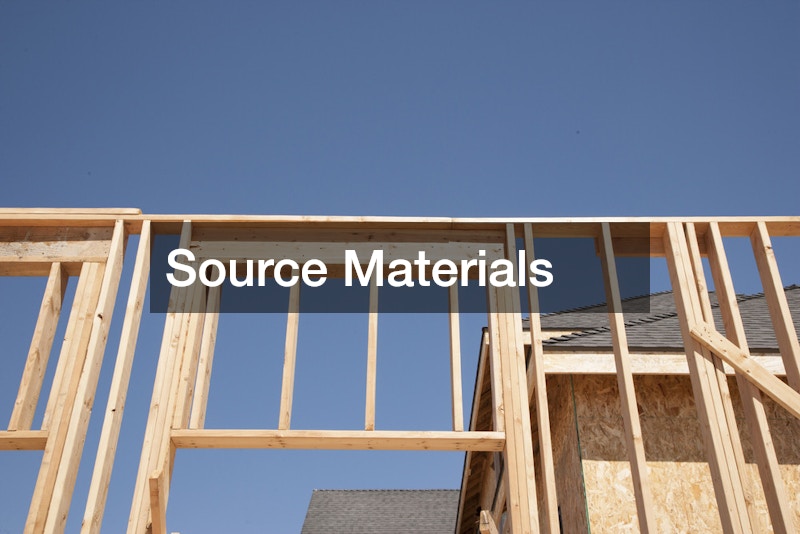
The physical integrity, long-term energy efficiency, and ultimate aesthetic appeal of your brand-new addition are entirely dependent on the undeniable quality of the raw components used to build it from the ground up. From the specialized dimensional lumber used for the robust structural framing to the high-density thermal insulation and weather-resistant exterior cladding, every single element must be carefully selected to meet strict building codes. The materials must not only seamlessly match the existing architecture but also perform flawlessly under the specific, harsh environmental stresses common to your geographic region.
Navigating the constantly fluctuating costs and unpredictable availability of modern construction supplies requires a highly strategic approach to procurement, often necessitating bulk ordering several months in advance to prevent crippling schedule delays. Working closely with specialized, well-connected suppliers to secure high-quality building materials ensures that your dedicated contractors have exactly what they need delivered to the site precisely when the project schedule calls for it. This reliable supply chain management is the only way to successfully bring your most ambitious home updates ideas to life without compromising on structural safety or finish quality.
Install The Roof
Tying a brand-new roofline into an older, existing home is arguably one of the most critical and highly complex phases of a residential addition, requiring absolute geometric precision to ensure the entire building envelope remains completely watertight. The critical transition point where the old roof structurally meets the new addition is notoriously vulnerable to severe leaks, pooling water, and destructive ice dams if the flashing and waterproof underlayment are not integrated seamlessly. Getting the new roof fully dried-in as quickly as possible protects the highly vulnerable interior wood framing and allows the electrical and drywall phases to begin safely, regardless of the incoming weather.
Because flawlessly blending two distinct roof structures requires highly specialized knowledge of custom flashing techniques, complex load distribution, and matching specific shingle wear, this is never a task suited for a general handyman. Hiring a dedicated local roofing contractor ensures that the new roof system is installed with regional weather patterns strictly in mind and that the complex valley flashing is perfectly integrated with your existing architecture. This professional expertise immediately secures the entire structure against heavy rain and snow while you continue finalizing your interior home updates ideas.
Manage Wastewater
A major residential home addition that includes brand-new plumbing fixtures, custom spa bathrooms, or a fully equipped basement wet bar will drastically alter the volume of wastewater your property produces on a daily basis. For properties that are entirely disconnected from a centralized municipal sewer line, this massively increased effluent load can easily overwhelm an older, under-sized wastewater treatment system, leading to catastrophic backups and severe biological environmental hazards right in your backyard. Planning for this invisible but critical underground infrastructure is just as important as choosing luxury tile or premium paint colors for the new space.
When the capacity of the current system is officially deemed insufficient by local health department calculations, a completely new or massively expanded drain field and subterranean holding system must be engineered before the new addition can be legally occupied. Bringing in highly experienced septic tank installers ensures that the brand-new wastewater system is properly sized for the newly increased bedroom count and precisely excavated to maintain the correct, mathematically vital drainage slope. This guarantees your ambitious home updates ideas are fully supported by a compliant, environmentally safe waste management system that functions invisibly and perfectly.
A successful home addition relies on mastering the gritty logistical and infrastructural phases long before focusing on interior design. Executing a major expansion demands a realistic approach to site management, relying on heavy machinery to move earth, cranes to lift structural elements, and dumpsters to efficiently clear daily waste. It also necessitates critical upgrades to invisible subterranean systems, such as water wells and septic tanks, to handle the increased capacity of the new square footage. Ultimately, expertly coordinating these physical and logistical moving parts—along with securing top-tier roofing and exterior materials to weatherproof the structure—protects your budget, timeline, and sanity while guaranteeing a safe, enduring build.