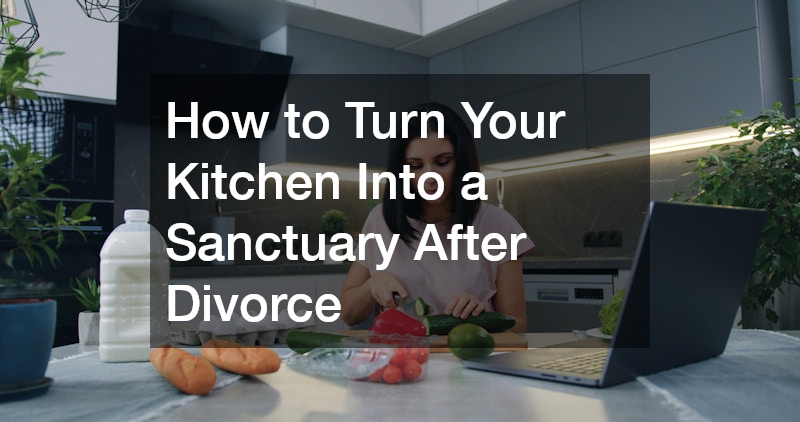
Divorce reshapes your home in ways both expected and surprising. Rooms once filled with shared routines may suddenly feel unfamiliar, and the kitchen—often the center of daily life—can be especially emotionally charged. But it can also become the heart of your healing. Transforming your kitchen into a sanctuary isn’t just about décor or organization; it’s about reclaiming your space, rebuilding your identity, and creating an environment that supports your emotional wellbeing. This guide dives deeply into how to reshape your kitchen into a place where comfort, clarity, and calmness coexist.
Start With Emotional Reset: Declutter With Purpose
Decluttering before a home remodel in the kitchen is more than a design step—it’s a symbolic fresh start. Begin by removing items that carry emotional weight. You don’t need to throw everything away; pack up objects that feel tied to painful memories and store them out of sight. Evaluate what genuinely serves your life today. Clearing countertops, organizing drawers and custom cabinetry, and removing outdated or unused items can lift your mood, calm your mind, and reduce overwhelm. A simplified kitchen creates the mental space you need to breathe, reflect, and move forward with confidence.
Set aside a few hours or dedicate a weekend to this process. Put on calming music, open the windows for fresh air, and allow yourself to move at your own pace. A decluttered kitchen isn’t just aesthetically pleasing—it’s emotionally freeing.
Refresh With New Scents, Colors, and Materials
Surrounding yourself with colors and textures that bring comfort can dramatically change how you feel in the space. With the help of interior painting contractor, choose a new color palette that reflects peace rather than the past. Soft sage greens, creamy whites, warm terracotta tones, or muted blues can foster a sense of tranquility.
Next, incorporate sensory elements. A scented candle, fresh herbs on the windowsill, or a new wooden cutting board can subtly shift the room’s energy. Consider adding natural materials—linen towels, ceramic bowls, bamboo organizers, stone trivets—to make the space feel grounded and warm. Your kitchen should feel like a reflection of who you are becoming, not who you were before.
Reorganize for Your New Life
After divorce, your lifestyle and cooking habits may change. Maybe you’re cooking for one, experimenting more with recipes, or prioritizing convenience. Reorganizing your kitchen and even investing in a kitchen remodeler ensures the layout supports your new routines rather than old habits.
Create zones that match your needs: a coffee or tea corner for slow mornings, a prep area where essential tools are always within reach, or a baking nook if creating sweets brings you joy. Place frequently used items at eye level and store occasional tools higher or lower. A reorganized kitchen reconnects you with the joy of cooking by reducing frustration and increasing flow.
Invest in Tools That Make Cooking Joyful Again
The right tools encourage nourishing routines. If you relied heavily on shared appliances before, now is an opportunity to purchase items that truly suit your tastes. You don’t have to overhaul everything—start small:
- A high-quality chef’s knife that makes chopping pleasurable
- A nonstick skillet for quick solo meals
- A compact blender for smoothies or pureed soups
- A breathable Dutch oven for comforting slow-cooked dishes
- Pretty, durable dishes that make meals feel special—even when dining alone
Cooking for yourself is an act of self-care. Reclaim that relationship by equipping your space with pieces that make you excited to step into the kitchen again.
Create Routines That Soothe the Spirit
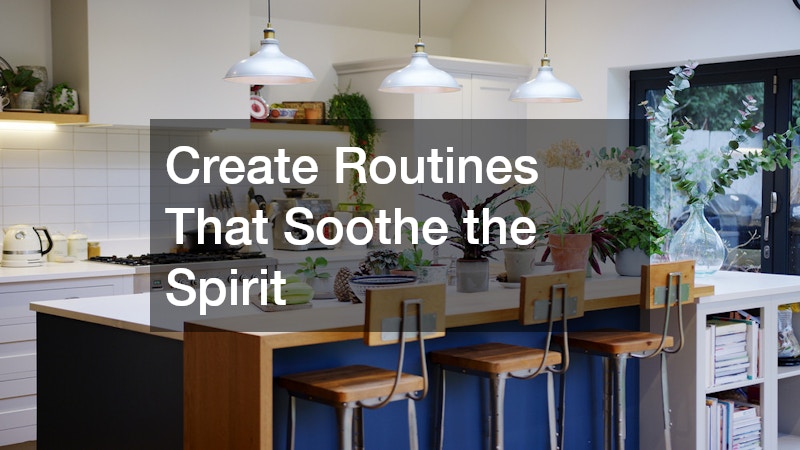
Turning your kitchen into a sanctuary with the help of local remodeling contractors involves more than a visual makeover—it requires nurturing daily practices that help you feel anchored. Experiment with rituals that bring peace back into your day:
- Morning tea or coffee ceremony: Brew slowly, sip intentionally, and set a tone of calm.
- Evening “reset” routine: Wipe down counters, light a candle, and prepare your kitchen for tomorrow.
- Weekly meal prep sessions: Chop vegetables, plan meals, and play music that lifts your spirits.
- Cooking as meditation: Treat slicing, stirring, and seasoning as opportunities to stay present.
These simple habits not only help structure your day but also gently remind you that life’s rhythm is yours to create.
Integrate Warm Lighting for a Calming Atmosphere
Lighting plays a powerful role in emotional comfort. Replace harsh white bulbs with warm, soft lighting that mimics sunlight or candle glow. A residential electrical service can install under-cabinet lights, which can add subtle ambiance, while a small lamp on the counter can make evenings feel cozy and intimate. If your kitchen has windows, keep treatments light so natural daylight fills the space. Think of lighting as emotional architecture—it supports your healing by creating a gentle, comforting environment.
Personalize With Soulful Touches
Where there was once shared décor, now is the perfect place to add personal touches that represent your identity, values, and future. Consider adding:
- Artwork that inspires hope or joy
- A framed recipe from a loved family member
- Plants that purify the air and add life
- A vision board for your new chapter
- Handmade pottery or unique thrifted finds
Personalization makes the space feel truly yours. Every detail becomes a reminder of strength, resilience, and the beauty of starting again.
Incorporate Nature for Emotional Grounding
Bringing nature into your kitchen strengthens the sense of sanctuary. Fresh flowers, potted herbs, and leafy plants create a sense of vitality. Herbs like basil, rosemary, and mint add fragrance and flavor while offering a gentle feeling of abundance.
If possible, place a small plant near the sink or on the granite countertop where you’ll see it daily. Nature has a calming influence—it lowers stress, boosts mood, and helps stabilize emotional energy during times of transition.
Cultivate a Healing Soundtrack
Music can transform an ordinary cooking experience into a grounding ritual. Create playlists that match your needs—soft acoustic tracks for peaceful mornings, upbeat music for energizing meal prep, or classical melodies for slow, meditative cooking. A small Bluetooth speaker in your kitchen can bring warmth, joy, and emotional release to everyday tasks.
Sound is an overlooked part of sanctuary design, but it can shift your mindset and mood instantly. Use it intentionally to create an atmosphere that supports your healing.
Nourish Yourself With Intentional Cooking
Food becomes an important part of the healing journey after divorce. Instead of viewing cooking as another task, reframe it as an act of nourishment for body and spirit. Choose recipes that bring comfort—soups, roasted vegetables, homemade breads, simple pastas, or fresh salads. Cooking intentionally helps you reconnect with your senses and reminds you that you deserve care, flavor, and pleasure.
Experiment with dishes you always wanted to try but never did because they didn’t fit past routines. This is your chance to create new culinary traditions that reflect your emerging identity.
Set Boundaries: Your Kitchen, Your Rules
A true sanctuary has boundaries. Decide how you want your kitchen to function in this new season of life. You may choose:
- To keep your kitchen tidy as a way to support your mental clarity
- To restrict certain conversations or topics at the kitchen table
- To schedule solo cooking nights as a ritual of self-love
- To host friends only when you genuinely feel ready
Boundaries protect your energy and allow the space to become a source of comfort instead of overwhelm. This is about creating safety—emotional, physical, and psychological—within your home.
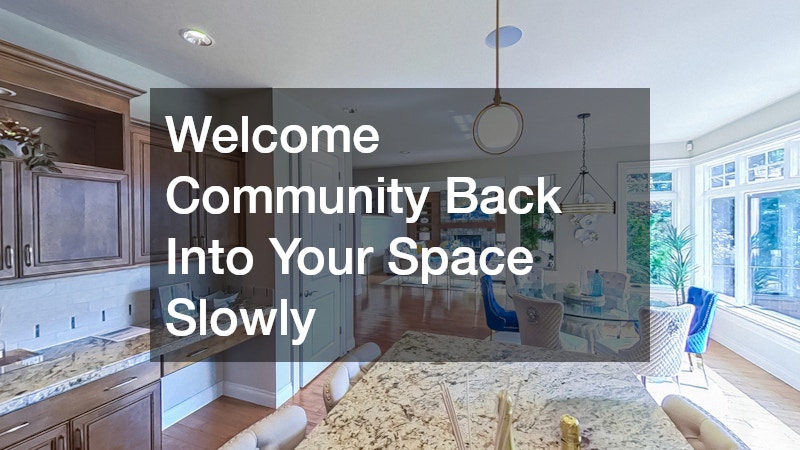
Welcome Community Back Into Your Space Slowly
Once you feel grounded, allowing trusted friends or family into your kitchen can be healing. Sharing a meal, having a cup of tea, or cooking together strengthens your sense of connection. Choose people who support your growth and bring positivity into your life. The kitchen can once again become a social space, but this time, it’s one built on your terms and filled with affirming relationships.
Celebrate Milestones in Your New Sanctuary
As you continue healing, mark milestones—large and small—within your kitchen. Cook a special meal to celebrate emotional wins: finishing divorce paperwork with your divorce attorneys, reclaiming your peace, feeling joy again, or simply making it through a tough week. These moments help you build memories tied to strength, not sadness.
Over time, your kitchen will reflect resilience, transformation, and new beginnings. It will become a place where you nourish both your body and your spirit.
Embrace Minimalism to Create Mental Clarity
After divorce, mental load can feel heavier than ever. One of the simplest ways to lighten it is to adopt minimalist principles in your kitchen. This doesn’t mean stripping everything away—it means being intentional with what you keep. A minimalist kitchen eliminates visual noise and gives your mind room to rest. Keep countertops as bare as possible, store appliances you don’t use daily, and reduce duplicate utensils that only create clutter. Focus on functionality and beauty in equal measure. The act of paring down not only improves your space but symbolizes a shift toward clarity, calmness, and a lighter emotional state. As your kitchen gets physically clearer, you’ll often notice your thoughts clearing too.
Create a Comfort Corner for Cooking Breaks
Part of transforming your kitchen into a sanctuary during a home remodel involves creating areas dedicated to rest—not just work. Introduce a small comfort corner in your kitchen or adjacent dining area. This could be a cushioned bench, a single cozy chair, or a window seat. Use this space for journaling, sipping tea, reading recipes, or simply taking quiet moments during meal prep. Adding soft textures like throw pillows or a blanket makes the corner inviting and warm. This small haven becomes a reminder that healing also happens in stillness. When emotions rise unexpectedly—as they often do during major transitions—you’ll have a designated calming place to pause and breathe.
Use Meaningful Objects as Anchors of Strength
Intentional décor can serve as emotional anchors. Choose a few meaningful objects—items tied to personal growth, family history, or positive memories—to display in your kitchen. Maybe it’s a piece of pottery you made, a cookbook from your childhood, a handmade bowl from a local artisan, or a framed photo that inspires hope. These items ground your energy and provide comforting reminders of your resilience and identity. Avoid keeping objects that feel heavy or nostalgic in painful ways; this space is about rebuilding. Instead, surround yourself with pieces that symbolize where you are going, not just where you have been.
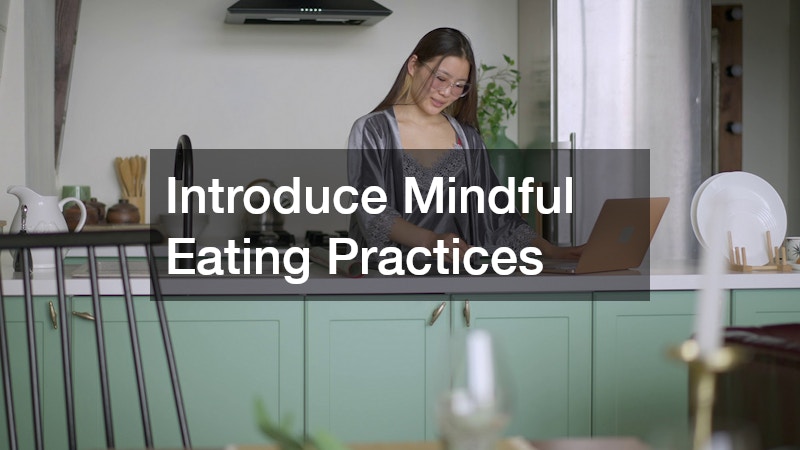
Introduce Mindful Eating Practices
Turning your kitchen into a sanctuary also means transforming how you engage with food. Instead of rushing through meals, embrace mindful eating—an approach that connects you to the present moment. Plate your food intentionally, even when dining alone. Sit down without distractions and savor each bite. Notice textures, aromas, and flavors. This practice not only reduces stress but also deepens your appreciation for nourishment. Mindful eating is a direct way to care for yourself emotionally and physically. It shifts your kitchen from a place of obligation to a place of healing, grounding, and deep self-respect.
Enhance Your Space With Seasonal Changes
Seasons influence mood and energy, and reflecting seasonal shifts in your kitchen can help keep it feeling fresh, comforting, and aligned with your emotional journey. In spring, introduce fresh flowers and bright dish towels. In summer, incorporate light linens, citrus décor, or vibrant produce bowls. Autumn invites warm tones, spices, and cozy textures, while winter calls for soft lighting, scented candles, and warm colors. These subtle changes help your kitchen evolve with you, preventing stagnant energy and giving you small, uplifting adjustments to look forward to throughout the year. Seasonal touches can make your sanctuary feel alive and continually renewed.
Create a Spa-Like Cleaning Routine
Cleaning your kitchen doesn’t have to be a chore—it can be a self-soothing ritual in between assistance from a house cleaning service when done with intention. Choose natural cleaning products with calming scents like lavender, eucalyptus, or lemon. Turn on soft music, open the window, and move slowly and intentionally as you wipe surfaces, wash dishes, or sweep floors. This transforms ordinary tasks into meditative moments that help reduce anxiety and bring calm to your mind. A clean kitchen supports emotional clarity, reduces stress, and enhances the sanctuary-like energy of the space. Over time, this ritual becomes an act of grounding—something steady and reassuring as you navigate life after divorce.
Turning your kitchen into a sanctuary after divorce is about reclaiming the heart of your home—and the heart of yourself. Through intentional design, soothing rituals, new traditions, and healing practices, you create a space that supports recovery and growth. Your kitchen becomes more than a place to cook; it becomes a refuge, a studio of self-discovery, and a foundation for the life you are building next.