
Your roof is one of the most important protective systems in your home. It shields the interior from rain, wind, sunlight, snow, and changing temperatures while also contributing to insulation, ventilation, energy efficiency, and curb appeal. Despite its importance, many homeowners do not think much about their roofs until a leak, missing shingle, or other obvious problem appears.
Understanding a few roofing basics can make it easier to maintain your home and recognize potential problems before they become expensive emergencies. You do not need to become a roofing expert to make informed decisions. Knowing the major components of a roof, how materials age, when repairs may be appropriate, and what to consider when hiring professionals can help you protect your home for years to come.
Understand the Main Components That Protect Your Home
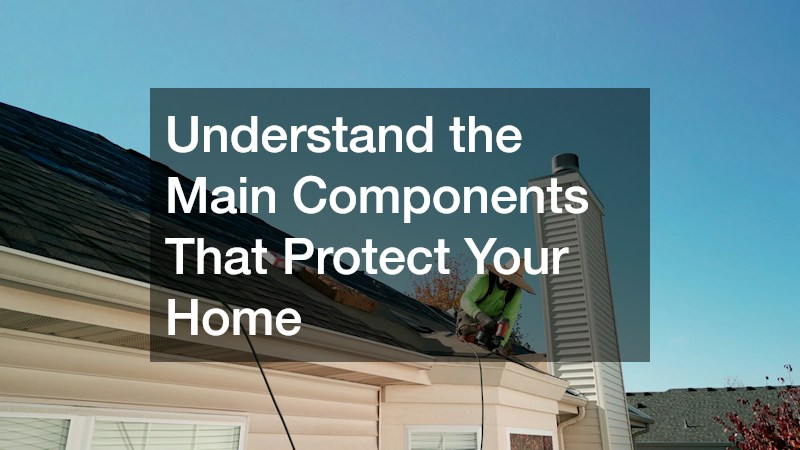
A roofing system includes much more than the material visible from the street. Beneath shingles, tiles, metal panels, or other exterior materials are several components working together to keep moisture outside. Roof decking creates the structural surface, while underlayment provides an additional protective barrier beneath the primary roofing material. Flashing helps direct water away from vulnerable areas such as chimneys, valleys, vents, and roof-to-wall intersections.
Ventilation is another important part of the system. Intake and exhaust vents help regulate heat and moisture in the attic, potentially reducing problems related to condensation and excessive temperatures. Gutters and downspouts then carry water away from the roof and foundation.
Because these components work together, professional roofing services often involve evaluating the entire system rather than focusing exclusively on visible shingles. A problem that appears minor from outside may sometimes originate beneath the surface or in another part of the roof.
Learn How Different Materials Affect Long-Term Performance
Roofing materials differ significantly in appearance, cost, weight, maintenance requirements, and expected service life. Asphalt shingles remain a common choice because they are widely available and can work with many architectural styles. Metal roofing is another option and is valued for durability, while tile, slate, wood, and synthetic products provide additional choices for homeowners with different budgets and design preferences.
Climate should also factor into material selection. A product that performs well in one environment may face different challenges in areas with frequent storms, high humidity, intense sunlight, heavy snow, or dramatic temperature changes. The pitch and structural design of the roof can also affect which materials are appropriate.
When planning residential roofing work, homeowners should consider more than the initial installation price. Maintenance expectations, manufacturer warranties, durability, energy considerations, and future repair costs can all influence the long-term value of a particular material.
Know When Minor Damage Requires Professional Attention
Not every roofing problem means the entire system needs to be replaced. Individual missing shingles, damaged flashing, loose materials, or small areas of deterioration may sometimes be repairable, particularly when the rest of the roof remains in good condition. However, seemingly minor damage should not automatically be ignored.
Water can travel beneath roofing materials before becoming visible inside a home. As a result, the location of a ceiling stain may not directly correspond with the point where water entered the roof. Moisture can also affect insulation, decking, ceilings, walls, and other materials if the underlying problem continues.
A local roofer can inspect suspicious areas and determine the likely source of the problem. Homeowners should consider requesting an inspection after significant storms or whenever they notice missing materials, unexplained stains, damaged flashing, or other changes. Addressing localized damage early may help prevent a relatively manageable repair from becoming a more extensive project.
Choose Qualified Help for Complex Exterior Work
Some household projects are well suited for do-it-yourself work, but roofing involves significant safety risks and technical considerations. Working at height can be dangerous without appropriate equipment and experience. Incorrect repairs may also create additional problems, particularly when flashing, ventilation, waterproofing, or structural components are involved.
A qualified contractor should understand appropriate installation techniques, applicable building requirements, manufacturer specifications, and common causes of roofing failures. Professionals also have equipment designed to help them safely access and work on elevated surfaces.
Before hiring anyone, homeowners can ask about licensing requirements in their area, insurance coverage, relevant experience, and the scope of the proposed work. Written estimates should explain what will be repaired or replaced, which materials are expected to be used, and how cleanup will be handled. Clear expectations can reduce confusion and make it easier to compare different proposals.
Recognize the Warning Signs of Aging Materials

Roofs generally deteriorate gradually rather than failing all at once. Recognizing signs of aging can give homeowners more time to plan repairs or replacement instead of reacting to an unexpected leak.
Depending on the roofing material, warning signs can include curling or cracked shingles, missing sections, excessive granule loss, exposed fasteners, deteriorated sealants, corrosion, damaged flashing, sagging areas, or repeated leaks. Indoors, homeowners may notice ceiling discoloration, peeling paint, damp insulation, musty odors, or unexplained moisture in the attic.
Experienced roofers can help distinguish normal cosmetic aging from damage that affects the roof’s ability to protect the home. Age alone does not always determine whether replacement is necessary because installation quality, weather exposure, ventilation, maintenance, and material type can all affect performance. Regular observation gives homeowners a better chance of recognizing meaningful changes before serious damage occurs.
Plan Ahead When Repairs Are No Longer Enough
Repairs can extend the useful life of a roof in appropriate circumstances, but there eventually comes a point when continuing to patch individual problems may become inefficient. Frequent leaks, widespread deterioration, extensive storm damage, or problems affecting multiple sections of the roof can indicate that a larger project should be considered.
Planning for a local roof replacement before an emergency occurs gives homeowners more time to research materials, review estimates, evaluate contractors, and prepare financially. It also provides an opportunity to consider whether the existing roofing material still fits the home’s needs.
Replacement planning should account for more than the visible surface. Contractors may need to evaluate decking, flashing, ventilation, underlayment, penetrations, and drainage components. If deteriorated decking is discovered after the old materials are removed, additional work may be necessary before the new system can be installed. Understanding this possibility ahead of time can make budgeting easier and reduce surprises during the project.
Schedule Regular Inspections to Catch Problems Early
Homeowners often inspect parts of their homes that they interact with every day, but roofs can be easy to overlook because much of the surface is difficult to see from ground level. Periodic inspections provide an opportunity to identify deterioration that may otherwise remain unnoticed.
Professional roofing contractors can examine shingles or other surface materials along with flashing, valleys, vents, penetrations, drainage areas, and visible structural concerns. Inspections can be particularly useful after severe weather involving strong winds, hail, falling branches, or heavy precipitation.
Homeowners can also watch for potential issues from the ground. Missing materials, damaged gutters, debris buildup, unusual roofline changes, or visible wear may warrant closer examination. Inside the home, checking the attic periodically for moisture, stains, or daylight entering through unexpected areas can reveal additional clues.
Regular inspections cannot prevent every roofing problem, but they can provide useful information about the condition of the system and help homeowners make maintenance decisions before damage becomes more extensive.
Understand What Goes Into a Proper New System
Installing a roof involves several stages, and the quality of each stage can affect long-term performance. A typical project begins with evaluating the existing roof and determining whether old materials need to be removed. Once the roof surface is exposed, the decking can be examined for deterioration or structural concerns.
A professional roof installation service may then install or replace underlayment, water-resistant barriers in vulnerable areas, flashing, vents, and the primary roofing material. Installation methods vary according to the product, roof design, manufacturer requirements, and local building standards.
Ventilation should also receive attention during installation. An effective ventilation strategy helps manage attic temperatures and moisture, which can affect both the roof and other parts of the home. Drainage is equally important because water needs a clear path away from the roofing surface.
After installation, cleanup and a final inspection help ensure that materials are properly secured and the property is left in suitable condition. Homeowners should retain contracts, warranty information, receipts, and product documentation for future reference.
Compare Experience, Warranties, and Service Before Hiring
Choosing a roofing company should involve more than comparing the bottom line on several estimates. Two proposals with different prices may also differ in materials, installation methods, warranty coverage, disposal, ventilation work, flashing replacement, or other details.
When searching for a recommended roofing company, homeowners can evaluate experience with the specific roof type and material involved. References, reviews, licensing information, and proof of insurance can provide additional context. It is also useful to ask who will perform the work, who will supervise the project, and how unexpected problems will be communicated.
Warranty terms deserve careful attention. Material warranties and workmanship warranties are not necessarily the same thing, and exclusions or maintenance requirements may apply. Homeowners should understand what is covered, how long coverage lasts, and what steps are required if a future problem occurs.
Communication can be just as important as technical experience. A company that clearly explains the proposed scope, answers questions, documents changes, and provides written information can make a major exterior project easier to understand and manage.
Address Surface Damage Before Leaks Spread
Some roofing systems use foam as part of their protective and insulating structure. Like other materials, foam roofing can experience deterioration from weather exposure, physical damage, aging coatings, or other environmental conditions. Small cracks, punctures, exposed areas, or coating problems may allow moisture to reach portions of the system that are intended to remain protected.
Timely foam roof repairs can involve cleaning the affected area, addressing damaged foam, restoring protective coatings, and ensuring that repaired sections integrate properly with the surrounding surface. The appropriate method depends on the extent and cause of the damage.
Homeowners should avoid assuming that applying a generic sealant over a visible problem will provide a permanent solution. Moisture may already be present beneath the surface, and improper materials can sometimes interfere with later repairs. A professional assessment can help determine whether damage is localized or part of a broader issue.
Routine observation is especially valuable with roofing systems that rely on continuous protective surfaces. Catching punctures, coating deterioration, drainage problems, or other surface damage early can reduce the opportunity for water to move deeper into the system.
Keep Gutters and Drainage Systems Working Properly
Your roof cannot effectively protect your home if water has nowhere to go after reaching its surface. Gutters, downspouts, valleys, and other drainage features are designed to move rainwater away from the roof and foundation. When leaves, branches, dirt, or other debris block these areas, water may collect along roof edges or back up beneath roofing materials. Over time, persistent moisture can contribute to deterioration of fascia boards, decking, siding, and other exterior components.
Homeowners should periodically check gutters for debris, sagging sections, loose connections, and areas where water appears to overflow during rainfall. Downspouts should also direct water far enough away from the foundation to prevent pooling around the home. Trees growing close to the roof may require additional attention because falling leaves and branches can increase debris accumulation.
Routine drainage maintenance complements professional roofing services by addressing one of the simplest ways homeowners can help protect their roofing system. Keeping water moving efficiently away from the home can reduce unnecessary moisture exposure and make it easier for the roof to perform as intended throughout changing weather conditions.
A roof is a complete protective system made up of structural materials, moisture barriers, flashing, ventilation, drainage components, and an exterior covering. Understanding how these pieces work together gives homeowners a better foundation for maintaining their property and responding appropriately when problems appear.
The most effective approach is generally proactive rather than reactive. Watch for signs of deterioration, keep drainage areas clear, pay attention to changes inside the attic or living space, and arrange professional inspections when damage is suspected. Minor repairs may be sufficient when problems are isolated, while widespread deterioration may eventually make replacement the more practical option.
Homeowners should also take time when selecting materials and professionals. Comparing the complete scope of work, installation practices, experience, warranties, and communication can provide a clearer picture than price alone. With routine attention and informed decision-making, homeowners can better protect one of their property’s most important systems and reduce the likelihood that a small roofing issue develops into extensive damage.