Owning a home comes with both pride and responsibility. Beyond decorating and enjoying your space, maintaining your home is essential to ensure safety, comfort, and long-term value. While some maintenance tasks are obvious, many homeowners overlook critical areas that can lead to costly repairs or safety hazards if ignored. From structural elements to mechanical systems and landscaping, proactive care can prevent emergencies, improve efficiency, and keep your family safe.
We’ll cover practical tips, expert advice, and simple routines you can implement today to protect your investment and improve your living environment.
Upgrade Your Roofing for Long-Term Protection

The roof is one of the most critical parts of your home, shielding you from weather, debris, and pests. Neglecting roof maintenance can lead to leaks, structural damage, and even health hazards if water intrusion fosters mold growth.
When DIY maintenance reveals potential problems or if your roof is aging, it’s wise to hire roofers who specialize in repairs and inspections. Professionals can identify hidden damage, recommend necessary fixes, and extend the lifespan of your roof. Scheduling routine inspections, ideally twice a year, ensures small issues don’t escalate into major expenses.
Practical steps for maintaining your roof:
- Inspect shingles and flashing for cracks, missing pieces, or warping.
- Clean gutters and downspouts to prevent water backup and damage.
- Trim overhanging branches that could scrape or fall on the roof.
- Check the attic for signs of moisture or water stains, indicating potential leaks.
Keep Mold and Moisture Under Control
Moisture is one of the biggest threats to home safety and health. Even small leaks or areas of high humidity can create conditions for mold growth, which can damage walls, floors, and ceilings, and compromise indoor air quality. Mold spores can spread quickly, triggering allergic reactions, respiratory issues, and other health problems for family members, especially those with asthma or weakened immune systems. Common sources of excess moisture include leaky roofs, plumbing issues, poorly sealed windows, and inadequate ventilation in bathrooms or basements. Homeowners can take preventive steps such as using dehumidifiers, running exhaust fans, repairing leaks promptly, and monitoring indoor humidity levels to stay within the recommended 30–50% range.
Persistent or extensive mold issues require professional mold remediation. These specialists not only remove mold safely using proper containment and cleaning methods but also identify the underlying causes to prevent it from returning. For example, they may pinpoint hidden plumbing leaks, structural water intrusion, or ventilation problems that homeowners might miss. Addressing mold promptly protects both your home’s structure and your family’s health, while also reducing the risk of costly repairs from prolonged water damage. Regular inspections, especially in high-risk areas like basements, attics, and bathrooms, combined with professional intervention when needed, ensure that your living environment remains safe and mold-free.
Actionable tips for controlling moisture and preventing mold:
- Use exhaust fans in bathrooms, kitchens, and laundry areas to reduce humidity.
- Seal leaks around windows, doors, and plumbing fixtures immediately.
- Monitor indoor humidity levels; aim to keep it between 30–50%.
- Regularly inspect basements, crawl spaces, and attics for dampness.
Choose a Reliable Roofing Company for Major Repairs
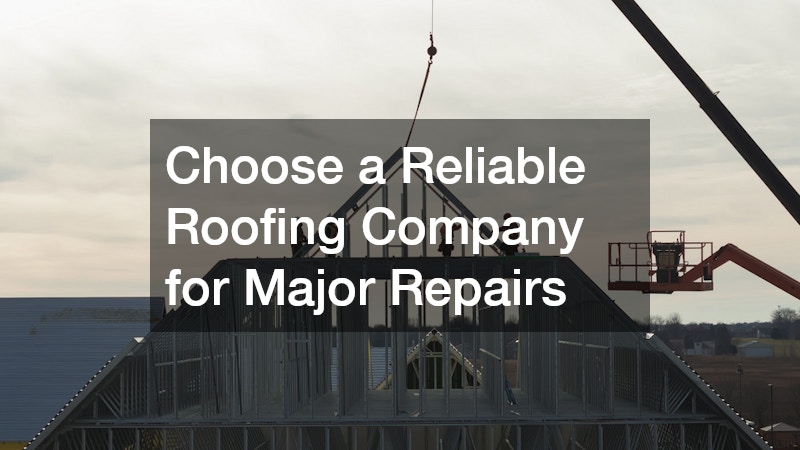
When it comes time to replace a roof or address serious damage, choosing the right company is crucial. A poorly executed roof replacement can lead to ongoing leaks, reduced energy efficiency, and expensive repairs.
Planning the project carefully can save time and money. For example, schedule replacements during dry seasons, and coordinate with your insurance provider if damage is storm-related. A professional roofing company ensures that your home is protected for decades to come.
Tips for selecting a company:
- Verify licensing, insurance, and references.
- Look for companies with strong local reputations and positive reviews.
- Ask about warranties on materials and labor.
- Obtain multiple quotes and compare them for scope, quality, and cost.
Optimize Home Comfort with AC Maintenance
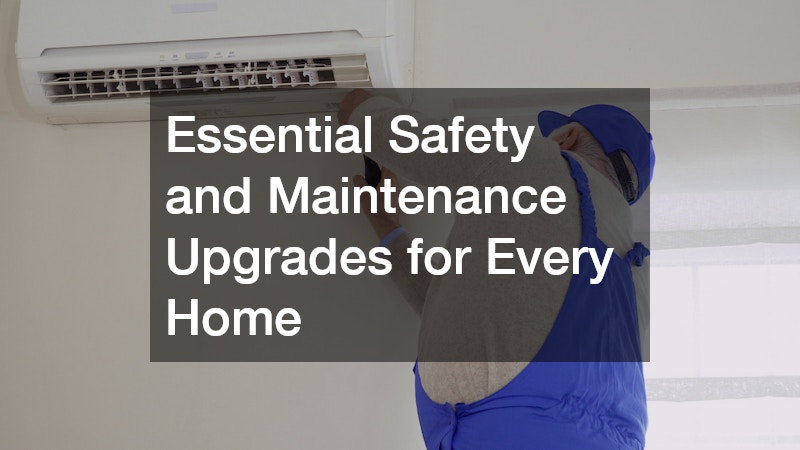
Air conditioning systems are essential for comfort, especially in hot climates, and they play a key role in maintaining indoor air quality. Neglecting regular AC maintenance can lead to clogged filters, dirty coils, and restricted airflow, all of which reduce efficiency and force the system to work harder, driving up energy bills. Over time, this strain can cause components to fail prematurely, shortening the lifespan of your unit. Homeowners can take simple steps to improve performance, such as changing or cleaning filters monthly, keeping vents and ducts clear of obstructions, and ensuring outdoor condenser units are free from debris, leaves, and overgrown vegetation. Seasonal inspections can catch minor issues before they escalate into major repairs.
For more complex problems—like unusual noises, inconsistent cooling, refrigerant leaks, or electrical malfunctions—scheduling professional AC repair is the safest and most effective solution. Trained technicians can diagnose issues accurately, perform necessary repairs, and ensure your system operates safely and efficiently. Regular professional maintenance not only guarantees a comfortable indoor environment during extreme temperatures but also extends the life of your system and reduces the likelihood of unexpected breakdowns. By combining DIY upkeep with expert service, homeowners can enjoy reliable, efficient cooling while avoiding costly surprises when temperatures soar.
Routine AC maintenance tips:
- Replace or clean air filters monthly during peak use.
- Inspect ducts for leaks or blockages.
- Ensure the condensate drain is clear to prevent water damage.
- Monitor refrigerant levels and thermostat function.
Manage Trees and Landscaping Hazards
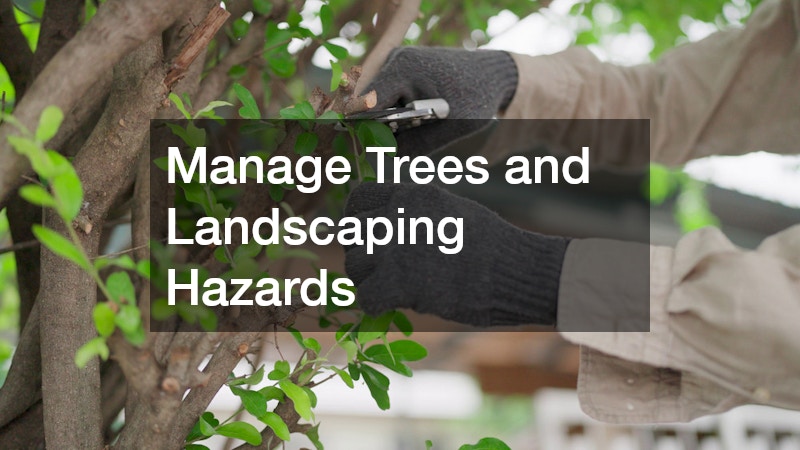
Trees provide shade, beauty, and environmental benefits, but they can also pose risks if not properly maintained. Overgrown or diseased trees may fall, damage structures, or interfere with utility lines.
For large or hazardous trees, professional tree services are highly recommended. Certified arborists have the equipment and expertise to safely remove or trim trees, reducing the risk of property damage or injury. Regular tree care also promotes healthier growth and a safer outdoor environment.
Actionable landscaping and tree care tips:
- Inspect trees for dead branches, rot, or leaning.
- Prune branches that hang over the roof or near power lines.
- Remove invasive roots that could damage foundations or sidewalks.
- Mulch around trees to retain soil moisture and prevent erosion.
Ensure Your Hot Water System Is Safe and Efficient
Hot water heaters are critical for daily comfort, powering everything from showers and dishwashing to laundry and cleaning. Despite their importance, these systems are often overlooked until a problem arises. Neglected hot water heaters can develop leaks, corrosion, sediment buildup, or even catastrophic failures, leading to inconvenient interruptions in service and potential water damage that can affect floors, walls, and personal belongings. Homeowners should routinely inspect their tanks for signs of rust, pooling water, or unusual noises, and flush the system periodically to remove sediment that can reduce efficiency and strain the heating elements. Monitoring water temperature settings and pressure relief valves can also prevent overheating or excessive pressure buildup, which are common causes of accidents and system failures.
If your hot water heater is aging or showing signs of failure, it’s worth considering a replacement with a modern, energy-efficient model. Newer units use advanced insulation, smarter controls, and improved heating elements to provide consistent hot water while lowering utility bills. Regular maintenance, combined with timely professional inspections, ensures reliable performance, extends the system’s lifespan, and protects your home from the costly consequences of leaks or bursts. By taking a proactive approach, homeowners can maintain comfort, save energy, and safeguard both their property and family from water-related hazards.
Maintenance tips:
- Flush the tank annually to remove sediment buildup.
- Test the pressure relief valve to ensure proper function.
- Inspect connections for leaks or corrosion.
- Adjust the thermostat to a safe and energy-efficient setting (usually 120°F).
Update Your Bathrooms with Safe, Durable Fixtures
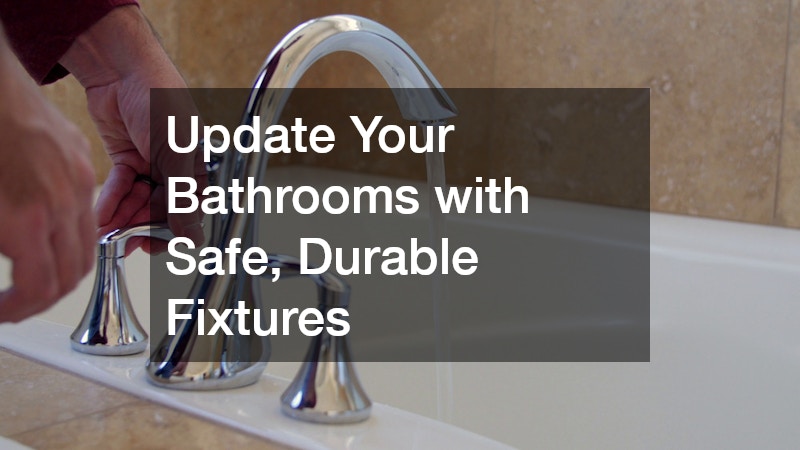
Bathrooms are high-use areas prone to slips, leaks, and water damage. Upgrading fixtures and maintaining surfaces helps prevent accidents and prolongs the life of your bathroom.
When glass shower doors become damaged, loose, or outdated, professional shower door service is the safest way to repair or replace them. Experts can ensure proper installation and secure fittings, preventing accidents while enhancing bathroom aesthetics.
Practical bathroom safety tips:
- Install non-slip mats or textured flooring in showers and tubs.
- Seal grout and caulking regularly to prevent water intrusion.
- Check for leaks under sinks and around toilets.
- Ensure ventilation fans are functioning to reduce humidity.
Handle Home Renovation Debris Efficiently
Renovations, remodels, and even seasonal cleanouts generate a surprising amount of debris, from construction materials and broken furniture to yard waste and household clutter. Left unmanaged, this debris can quickly create safety hazards, including tripping risks, sharp objects, and blocked walkways, which can be dangerous for family members and pets. Additionally, accumulated waste can attract pests, create unpleasant odors, and even contribute to structural damage if left near walls or foundations. Planning ahead for debris management is essential to keep your home safe, organized, and functional throughout any project.
For larger projects or extensive cleanouts, a dumpster rental is an ideal solution. Renting a dumpster provides a central, contained location for disposing of construction debris, old furniture, and yard waste, helping maintain a safe and organized work area. Selecting the right size dumpster ensures you have enough capacity without taking up unnecessary space, and scheduling timely pickups keeps projects on track. Proper use of a rental dumpster not only minimizes safety risks but also simplifies disposal logistics, making cleanup faster, more efficient, and less stressful for homeowners undertaking any remodeling or decluttering project.
Tips for effective home waste management:
- Plan ahead for large projects and estimate the amount of debris.
- Separate recyclables, hazardous materials, and general waste.
- Use protective gear when handling sharp or heavy items.
- Keep pathways clear to prevent trips and falls.
Protect Your Water Supply with Proper Well Maintenance
For homes relying on private wells, water safety and system reliability are essential. Contaminated water can lead to health problems, and system failures can disrupt daily life.
Professional well services may be necessary for repairs, deep cleaning, or system upgrades. Maintaining your water well ensures a safe, reliable supply for drinking, cooking, and bathing while preventing costly repairs or contamination issues.
Maintenance tips:
- Test water quality annually for bacteria, nitrates, and other contaminants.
- Inspect the well casing, cap, and surrounding area for damage or debris.
- Keep chemicals, fertilizers, and pollutants away from the well.
- Winterize the well to prevent freezing and damage to the pump.
Keep Plumbing Systems Functional and Reliable
Plumbing problems can range from minor annoyances, such as slow drains or dripping faucets, to serious emergencies like burst pipes or sewer backups. Even small leaks can waste significant amounts of water, increase utility bills, and gradually damage walls, floors, and foundations if left unchecked. Regular maintenance is essential to catch these issues early. Homeowners can perform simple checks, such as inspecting exposed pipes for corrosion, testing water pressure, clearing drains with safe methods, and monitoring for unusual odors or sounds. Preventive steps like insulating pipes in cold weather, replacing worn washers, and avoiding flushing inappropriate materials down toilets can go a long way toward preventing costly repairs.
For more complex or recurring issues, hiring professional plumbing services is the safest and most effective solution. Licensed plumbers have the expertise and tools to handle a wide range of problems, from repairing leaks and unclogging stubborn drains to installing new fixtures and upgrading outdated systems. They can also perform thorough inspections to identify hidden problems, ensuring that your plumbing system operates reliably and safely. By combining routine DIY maintenance with professional support when needed, homeowners can avoid emergencies, extend the life of their plumbing infrastructure, and maintain a safe, efficient, and fully functional home.
Plumbing maintenance tips:
- Inspect pipes for leaks, corrosion, or signs of wear.
- Clear drains regularly to prevent clogs and backups.
- Monitor water pressure to prevent pipe stress and damage.
- Insulate exposed pipes in cold areas to prevent freezing.
Proactive home maintenance is not just about preserving your property—it’s about keeping your family safe, comfortable, and financially protected. From structural elements like roofs and trees to critical systems like plumbing, water heaters, and HVAC, addressing issues before they escalate saves time, money, and stress.
By implementing practical upgrades, scheduling regular inspections, and knowing when to call in professionals, you can prevent emergencies and enjoy a home that functions smoothly year-round. Establishing a maintenance routine, staying attentive to early warning signs, and investing in key upgrades will ensure your home remains a safe and welcoming place for years to come.