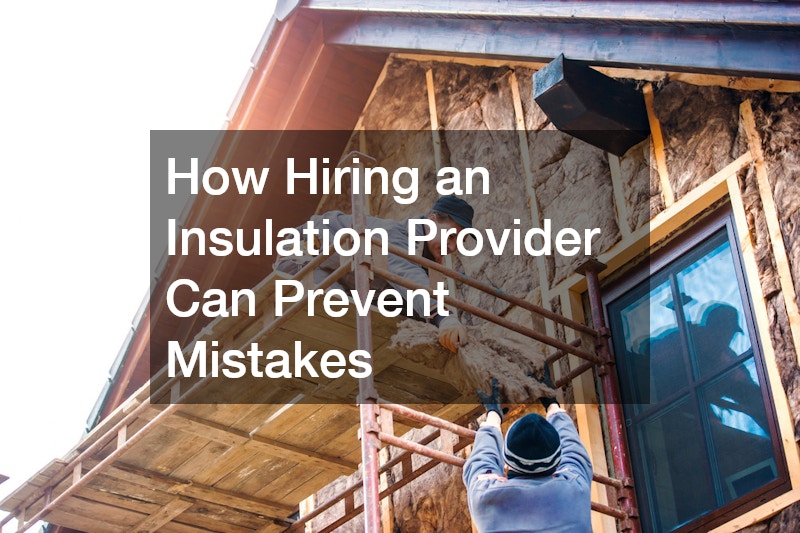
Optimised Thermal Performance: Correct professional fitting prevents gaps that compromise overall household thermal efficiency.
Avoidance of Severe Safety Hazards: Professional installation prevents direct electrical wiring contact and structural fire risks.
Compliance with Local Building Codes: Qualified teams ensure strict adherence to national building standards and Australian regulations.
Significant Long-Term Energy Savings: Proper barrier placement can dramatically lower ongoing household heating and cooling costs.
Prevention of Moisture and Mould Issues: Skilled handling eliminates thermal bridging and moisture trap risks within ceiling cavities.
Correct Material Selection: Experienced specialists determine exact material R-values tailored specifically to distinct regional climates.
Why Is Hiring a Qualified Insulation Provider Critical for Home Safety and Performance?
Hiring a qualified insulation provider is the single most effective way to protect your property from hidden electrical hazards, severe fire risks, and compromised thermal performance. While tackling home improvements independently might seem like a cost-effective choice, improper thermal barrier installation often leads to dangerous or costly mistakes.
Certified experts possess the specialized technical knowledge required to navigate complex roof cavities, manage delicate structural clearances, and assess microclimates within a building. By engaging a licensed professional, homeowners guarantee that their property remains structurally sound, energy-efficient, and fully compliant with safety codes.
According to safety reviews detailed by the Royal Commission into the Home Insulation Program, poorly executed thermal installations by uncertified workers resulted in nearly 100 house fires and fatal electrical incidents across Australian residences. These tragedies highlighted the severe consequences of lacking formal trade expertise during installation. A vetted insulation provider ensures licensed electricians or trained specialists assess all existing ceiling wiring, halogen downlights, and exhaust fans before putting any materials in place. This essential oversight eliminates major residential safety hazards while delivering optimal climate control.
What Are the Most Common DIY Insulation Hazards and Missteps?
The most common DIY insulation hazards include severe thermal bridging, electrical short circuits, fire hazards around heat-generating fixtures, and poor moisture management. Amateurs frequently make critical errors due to a lack of proper equipment and formal safety training. Understanding these frequent pitfalls illustrates why professional expertise is indispensable:
Obstructing Roof Ventilation: Compressing batts into eaves blocks natural airflow, trapping condensation that leads to structural timber rot and toxic mould growth.
Ignoring Electrical Wiring Clearance: Placing heavy bulk materials directly over electrical cabling causes heat build-up, risking insulation degradation and fire hazards.
Leaving Unsealed Gaps: Leaving even a 5% gap in ceiling coverage can reduce the overall thermal efficiency of the entire system by up to 50%.
Creating Thermal Bridging: Failing to account for structural steel or timber studs allows heat to bypass the protective layer entirely.
Incorrect R-Value Selection: Installing products with unsuitable thermal resistance ratings for the local climate zone results in minimal energy savings.
How Does Professional Installation Safeguard Your Energy Savings?
Professional installation safeguards your long-term energy savings by ensuring that thermal barriers are seamlessly fitted to deliver maximum resistance to heat flow. When bulk or reflective barriers are squashed, left loose, or installed with gaps, their designated R-value drops dramatically. Experienced technicians understand how to measure precise structural cavities, cut batts cleanly around obstacles, and maintain the precise air gaps required for reflective foils to function properly. This precise attention to detail guarantees that heat stays inside during winter and outside during summer.
Official data published by the Australian Government Department of Climate Change, Energy, the Environment and Water demonstrates that properly fitted ceiling, wall, and floor barriers can reduce household heating and cooling costs by more than 50%. However, achieving these substantial utility bill reductions depends directly on installation quality. A reputable insulation provider eliminates performance-dampening mistakes, ensuring that every dollar spent on materials yields maximum thermal efficiency and financial return over the lifespan of your home.
How Do Experts Ensure Compliance with Local Building Standards?
Experts ensure complete building compliance by adhering strictly to national construction frameworks, local climate mandates, and mandatory safety regulations. Licensed installers stay up to date with evolving residential energy ratings and strict safety codes. These rules dictate everything from minimum thermal performance requirements to mandatory safety distances around recessed lighting and flues. Trying to handle this without professional guidance often results in non-compliant work that can fail building inspections or complicate property sales.
As documented in the official passive design guidance on YourHome, all thermal materials sold and installed across Australia must strictly comply with Australian Standard AS/NZS 4859. Certified installers guarantee that all products meet these rigorous manufacturing and performance metrics. Furthermore, professionals ensure that retrofitted thermal layers seamlessly integrate with broader passive heating and cooling strategies, preventing homes from inadvertently trapping unwanted summer heat.
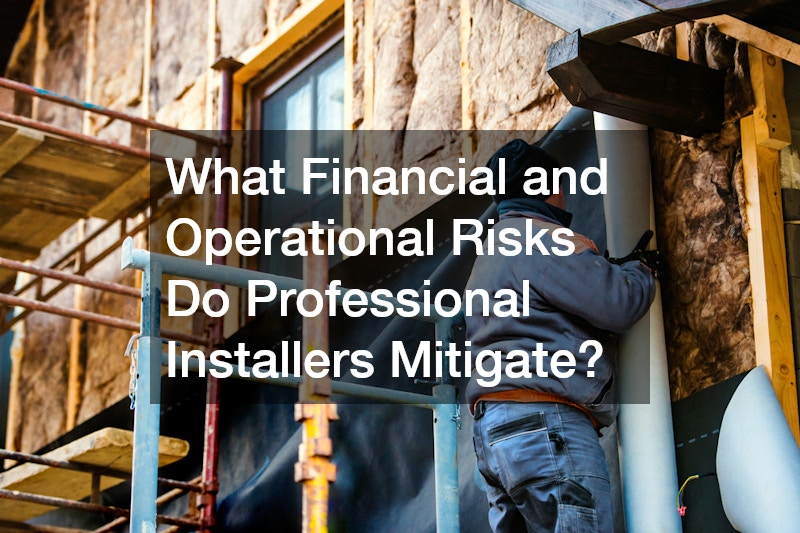
What Financial and Operational Risks Do Professional Installers Mitigate?
Professional installers mitigate major financial and operational risks, including costly property repairs, invalidation of home insurance policies, and premature material degradation.Substandard DIY work can cause accidental ceiling collapses, internal moisture damage, and electrical fires that insurers may refuse to cover if non-certified work is identified. By hiring established contractors, property owners protect themselves against expensive rectifications down the line.
Insurance Policy Protection: Certified work ensures your home insurance coverage remains valid in the event of unforeseen structural or electrical issues.
Workmanship Guarantees: Reputable installers offer extensive warranties covering both the product longevity and the installation quality.
Damage Prevention: Trained specialists possess the proper equipment to navigate ceiling joists safely without cracking plasterboard ceilings below.
Long-Term Structural Care: Professional placement avoids blocking roof space ventilation, protecting roofing timbers from hidden, expensive dampness issues.
Partnering with a qualified thermal specialist is an essential investment in your home’s safety, durability, and operational efficiency.While cutting corners with a DIY approach may appear to offer tempting initial savings, the hidden hazards of improper installation—ranging from severe fire risks to massive thermal energy loss—far outweigh any upfront cost differences.By securing experienced professionals, you gain complete peace of mind, knowing your property meets strict national standards, remains safe from electrical hazards, and delivers lower energy bills for years to come. Ensure your home improvement project succeeds by leaving your climate control needs in the hands of certified trade experts.