A home that lasts for decades without major structural or financial surprises rarely happens by accident. Long-term property durability is usually the result of consistent upkeep, thoughtful improvements, and early attention to small warning signs. Many homeowners focus on repairs only when something breaks, but preservation is about prevention, monitoring, and strategic upgrades over time. By treating your property as a system made up of interconnected parts—structure, mechanical components, surfaces, and exterior features—you can extend its lifespan while keeping living conditions comfortable and safe.
It also helps to think of maintenance as a lifestyle habit rather than a chore. Homes that age gracefully are usually owned by people who pay attention to subtle changes—new sounds, faint odors, slight discoloration, or minor shifts in performance. These small observations often provide early clues that something needs attention.
This guide explains practical, actionable steps you can follow to protect your property for years to come. Whether you plan to stay in your home long term or simply want to maintain its value, these strategies will help you manage maintenance tasks efficiently and confidently.
Build a Preventive Exterior Maintenance Routine
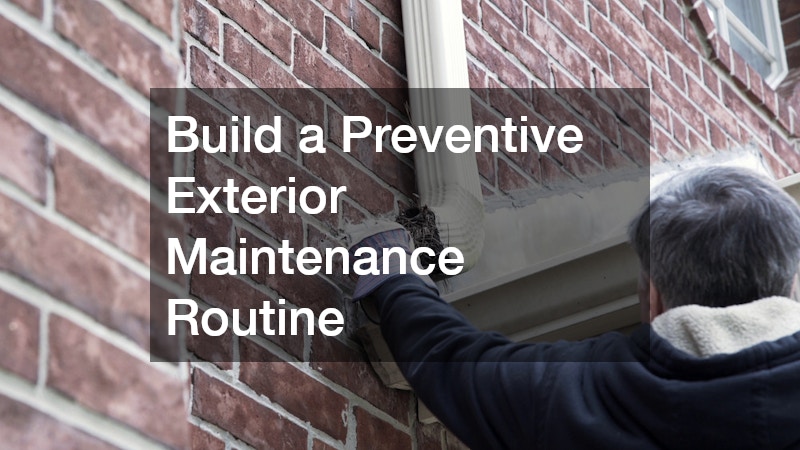
The outside of your home serves as its first line of defense against weather, moisture, pests, and temperature fluctuations. Establishing a consistent exterior care routine prevents small issues from escalating into structural damage. Exterior neglect is one of the most common causes of expensive repairs because many problems begin outdoors before working their way inside.
Create a Seasonal Yard Care Calendar
Healthy landscaping does more than improve appearance—it protects foundations, siding, and drainage. Overgrown vegetation traps moisture, while poor soil grading can direct water toward your home. Many homeowners start with do-it-yourself yard care but later consult a lawn care company when they notice persistent drainage problems, patchy grass, or invasive weeds that spread quickly.
Helpful seasonal tasks include:
Spring
- Inspect soil grading around the foundation
- Reseed thin lawn areas
- Prune shrubs away from walls
- Check irrigation systems for leaks
Summer
- Monitor irrigation levels and soil saturation
- Inspect trees for weak branches
- Watch for pest damage or fungus growth
Fall
- Remove leaves from gutters and yard surfaces
- Trim branches before winter storms
- Add protective mulch around plants
Winter
- Clear snow buildup away from foundations and walkways
- Inspect for ice dam formation
- Monitor exterior vents for blockage
Keeping a checklist ensures you address exterior risks before they affect structural elements.
Protect Walkways, Patios, and Driveways
Hard surfaces often deteriorate slowly, making it easy to overlook early warning signs. Small cracks can allow water penetration, which freezes and expands, leading to larger fractures and uneven surfaces. Consulting concrete contractors when you notice shifting slabs or widening cracks can help identify whether the issue stems from soil movement, improper installation, or drainage problems.
Signs your surfaces need attention:
- Uneven walking areas that create tripping hazards
- Standing water after rainstorms
- Flaking or pitting on concrete surfaces
- Separation between slabs or joints
Addressing these issues early can prevent more serious structural shifting beneath the surface.
Exterior Preservation Checklist
Use this monthly inspection list to maintain structural integrity:
- Trim plants at least 12 inches from siding
- Confirm downspouts direct water away from foundations
- Check exterior paint or sealant for peeling
- Inspect fencing and gates for loose posts
- Clear debris from patios and steps
- Look for insect activity near wood structures
A structured routine helps you spot deterioration early and reduces long-term repair costs.
Maintain Water Systems Before Problems Start
Water is essential in a home, but it is also one of the most destructive forces when unmanaged. Plumbing systems, drainage lines, and underground sources must be inspected regularly to prevent hidden damage. Moisture-related deterioration can compromise structural materials, weaken supports, and promote mold growth if ignored.
Warning Signs of Hidden Plumbing Issues
Small plumbing irregularities often indicate deeper concerns. Ignoring them can lead to leaks, mold growth, or structural decay.
Watch for:
- Slow draining sinks or tubs
- Unpleasant odors near pipes
- Discolored water
- Gurgling sounds after flushing
- Sudden spikes in water bills
Scheduling periodic drain cleaning services can remove buildup before it causes blockages or pipe corrosion.
Routine Care Steps That Prevent Emergencies
Preventive plumbing maintenance keeps systems functioning efficiently and extends their lifespan. Consider adding these tasks to your quarterly home care routine:
- Flush drains with hot water and mild cleaning solution
- Inspect exposed pipes for condensation or rust
- Test water pressure levels
- Examine appliance hoses for cracks or bulges
- Check under sinks for moisture
- Inspect shutoff valves for stiffness
These small actions take little time but can prevent costly repairs.
When to Schedule Professional Support
Homes that rely on private water sources require additional monitoring. Properties using wells benefit from periodic well services to test water quality, inspect pumps, and confirm pressure stability. Regular professional inspections help identify contamination risks, mechanical wear, or declining water flow before they become emergencies. This is especially important after heavy storms, flooding, or seasonal changes that can affect groundwater conditions.
Upgrade Moisture-Prone Rooms With Durability in Mind

Rooms exposed to high humidity and frequent water use experience faster wear than other areas. Bathrooms, laundry spaces, and kitchens benefit from durable materials and proactive upgrades. These spaces often show the earliest signs of aging because moisture accelerates material breakdown.
Identify Wear Patterns in High-Humidity Areas
Moisture damage often appears gradually. Homeowners who inspect these rooms carefully can catch deterioration before it spreads.
Look for:
- Soft flooring near fixtures
- Peeling paint or bubbling walls
- Loose tiles or cracked grout
- Persistent mildew smells
- Rust forming on fixtures
These signs indicate moisture is penetrating surfaces or ventilation is inadequate.
Smart Replacement Choices That Extend Lifespan
When updating damp areas, selecting long-lasting materials makes a noticeable difference. Durable improvements reduce maintenance demands and help prevent structural issues.
Consider installing:
- Mold-resistant drywall or backer board
- Water-resistant flooring such as vinyl or sealed tile
- Exhaust fans with humidity sensors
- Solid surface countertops instead of porous materials
- Waterproof sealants around fixtures
Planning Preventive Renovations
If multiple signs of wear appear at once, consulting a local bathroom remodeler can help you evaluate whether targeted upgrades or a full redesign is more practical. Professionals can identify hidden leaks, recommend water-resistant materials, and redesign layouts to improve airflow. Renovating proactively is often less expensive than waiting for widespread damage to occur because it prevents deterioration from spreading to surrounding structures.
Keep Entry Systems Operating Safely and Smoothly
Doors, locks, and mechanical entry systems are used daily, making them prone to gradual wear. Because they involve moving parts, regular inspections help prevent sudden malfunctions. These components also contribute to insulation, security, and overall efficiency.
Monthly Mechanical Checks Homeowners Should Perform
Routine maintenance keeps entry systems functioning reliably and safely. Simple tasks performed once a month can extend the life of mechanical components.
Checklist:
- Test door balance and alignment
- Tighten visible bolts or brackets
- Lubricate hinges and rollers
- Clean tracks to remove debris
- Check weather stripping for gaps
- Inspect locking mechanisms
Consistent monitoring helps identify issues before they disrupt daily routines.
Early Warning Signs of Mechanical Failure
Pay attention to subtle changes in how doors operate. These can indicate worn components or structural shifts.
Common indicators:
- Jerky or uneven movement
- Delayed response when opening
- Grinding or squeaking noises
- Doors that do not fully close
- Increased resistance when lifting
When these problems appear, scheduling garage door repair can prevent further strain on motors and tracks. Addressing issues promptly also reduces the risk of complete system failure.
Professional Maintenance Timing
Even well-maintained systems benefit from occasional professional inspections. Specialists can evaluate spring tension, motor efficiency, and safety sensors to confirm everything operates correctly. Preventive servicing often costs less than replacing major components and helps extend equipment lifespan.
Plan Renovations Strategically to Avoid Future Damage

Home improvements can increase comfort and value, but poorly planned projects may create structural or financial problems. Strategic planning is essential for long-term preservation because rushed renovations often overlook underlying issues.
Evaluate Structural Needs Before Cosmetic Updates
Many homeowners focus on visible upgrades while overlooking hidden systems. However, structural integrity should always come first. Before starting renovations, inspect insulation, wiring, plumbing, and framing. Addressing these elements early prevents costly rework later and reduces disruption.
Prioritize improvements in this order:
- Structural stability
- Mechanical systems
- Moisture protection
- Interior finishes
This sequence helps confirm that cosmetic changes rest on a solid foundation.
How to Organize Large Projects Efficiently
Large renovations generate debris and require coordinated scheduling. Renting temporary waste containers through dumpster rentals keeps work areas clear and reduces safety hazards. Organized disposal also prevents nails, sharp materials, or heavy debris from accumulating around your property.
Project planning tips:
- Establish a realistic timeline with buffer days
- Order materials in advance
- Designate storage areas for supplies
- Keep pathways clear for workers
- Document progress with photos
- Confirm permit requirements beforehand
Working With Professionals for Long-Term Results
Collaborating with experienced home remodeling companies can help you develop a plan that balances design goals with structural needs. Professionals evaluate building codes, load requirements, and material durability, helping you avoid shortcuts that could lead to future damage. Careful planning ensures your upgrades contribute to longevity rather than creating new maintenance challenges.
Protect Interior Surfaces From Wear and Contamination
Indoor materials experience constant exposure to foot traffic, dust, and environmental particles. Without proper care, these surfaces degrade quickly and may affect indoor air quality. Interior preservation is just as important as exterior maintenance because it influences comfort and health.
Hidden Damage That Builds Up Indoors
Many forms of interior wear develop slowly and remain unnoticed until they become severe. Carpets, for example, can trap allergens, moisture, and bacteria deep within fibers. Over time, this buildup may cause odors or discoloration.
Other hidden risks include:
- Dust accumulation in vents and corners
- Moisture trapped under rugs
- Stains that weaken fabric fibers
- Residue from cleaning chemicals
- Pet dander embedded in fabrics
Routine Interior Preservation Tasks
A consistent cleaning routine protects surfaces and extends their lifespan. Instead of waiting for visible dirt, adopt preventive habits that maintain materials.
Weekly tasks:
- Vacuum high-traffic areas
- Wipe baseboards and trim
- Clean spills immediately
Seasonal tasks:
- Rotate furniture placement
- Wash curtains and upholstery
- Inspect walls for scuffs or cracks
- Deep clean vents and fans
Professional Deep Maintenance
Even with regular cleaning, some contaminants settle deep within materials. Scheduling carpet cleaning services periodically removes embedded debris and helps restore texture and color. In situations involving water damage, smoke residue, or severe staining, more extensive home restoration may be necessary to return surfaces to safe condition. Professional intervention can prevent long-term deterioration and improve indoor comfort.
Create a Long-Term Maintenance Tracking System
Consistent monitoring is one of the most effective ways to preserve a home. A structured tracking system helps you stay organized and prevents maintenance tasks from slipping through the cracks. Organization transforms maintenance from a reactive process into a predictable routine.
Build a Home Care Logbook
Documenting repairs and inspections provides a clear record of your property’s condition. A simple notebook or digital file can track:
- Dates of repairs or replacements
- Appliance installation years
- Inspection results
- Paint or material types used
- Warranty expiration dates
- Contractor contact information
This information becomes invaluable when planning future upgrades or troubleshooting problems.
Set Automated Reminders
Digital calendars and reminder apps simplify maintenance scheduling. Setting recurring alerts helps you remember tasks such as filter changes, seasonal inspections, and safety checks. Automated reminders reduce the mental load of remembering every maintenance detail and help you stay consistent.
Budgeting for Future Maintenance
Planning financially for upkeep prevents unexpected expenses from disrupting your budget. Consider setting aside a small percentage of your home’s value each year for maintenance and repairs. This reserve fund can cover routine servicing, replacement parts, or emergency fixes without financial strain.
Budget planning tips:
- Estimate replacement timelines for major systems
- Track annual maintenance spending
- Compare repair costs versus replacement costs
- Adjust savings contributions as your home ages
- Review expenses annually
A structured system keeps your maintenance efforts consistent and manageable.
Long-term property preservation is not about performing complicated tasks or making constant upgrades. It is about consistency, observation, and thoughtful planning. By paying attention to early warning signs, maintaining systems regularly, and organizing your efforts, you can prevent many common household problems before they begin.
When you treat maintenance as an ongoing routine rather than an occasional project, your home remains safer, more comfortable, and more reliable year after year. Starting with small steps today can lead to lasting stability and peace of mind for decades to come.