Protect Your Home with Pest Control
1. How Can I Prevent Pest Infestations?
1.1 Understanding Common Pest Entry Points
The first step in preventing pest infestations is identifying how they enter your home. Common entry points include cracks in the foundation, gaps around doors and windows, and chimneys.
Ensuring that your home is properly sealed can significantly cut down on the number of pests that make it inside. Installing door sweeps and using caulk to seal cracks are simple measures that can be taken. Additionally, it’s important to inspect and repair any damaged screens on windows and vents.
1.2 Seasonal Pest Prevention Tips
The key to successful pest prevention lies in adapting strategies to the changing seasons. In spring, focus on cleaning up any yard debris and trimming bushes to eliminate habitat options close to your home. This can prevent breeding by common pests such as ants and mosquitoes. Meanwhile, inspecting your home’s perimeter for new cracks or holes that may have formed during the winter is crucial. Proactively applying weatherproofing measures during this time can deter pests looking for new nesting sites.
1.3 Importance of Regular Home Inspections
Conducting regular home inspections is an important but often overlooked component of pest control. These inspections involve checking for signs of pest activity such as droppings, gnaw marks, and nests. They also include examining pipes, attic spaces, and areas where moisture levels may be high, which are attractive to pests. During these inspections, replacing any worn or damaged materials like weather stripping and insulation is advisable. Diligence in this routine can catch potential infestations early, making them easier and less costly to manage.
1.4 The Role of Proper Sanitation in Pest Control
Maintaining high standards of sanitation extends beyond the kitchen to every part of the home. Utilize regular cleaning schedules that include vacuuming, dusting, and disinfecting surfaces. In bathrooms and other moisture-prone areas, ensure that water doesn’t accumulate, as this can invite pests like silverfish and mold. Proper ventilation can help reduce humidity levels, further discouraging pest settlements. By implementing comprehensive sanitation practices, homeowners can create a first line of defense against pests.
1.5 Effective Use of Pest-Repelling Plants
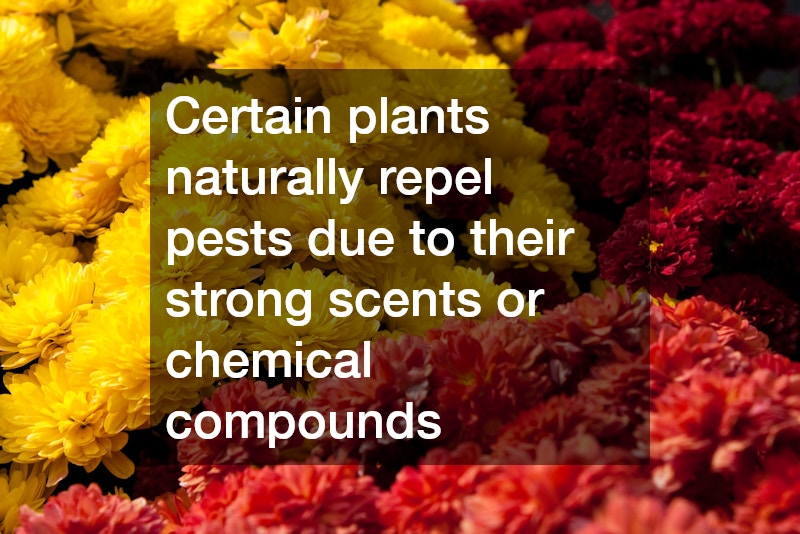
Incorporating pest-repelling plants into your landscape can be an attractive and eco-friendly method of pest management. Certain plants naturally repel pests due to their strong scents or chemical compounds. For instance, lavender is known to deter mosquitoes and moths, while basil can help keep flies and mosquitoes at bay. These plants not only work as natural repellents but also enhance the beauty of gardens and living spaces.
2. What Are the Most Effective DIY Pest Control Solutions?
2.1 Natural Repellents for Common House Pests
Embracing natural repellents is an effective DIY approach to managing pests without relying on harsh chemicals. Essential oils such as peppermint, eucalyptus, and tea tree are excellent deterrents for a variety of insects. Mixing a few drops of essential oil with water can create a simple spray to target affected areas. These oils disrupt the sensory perception of pests, making environments uninviting to them. Remember to reapply these solutions regularly for continuing effectiveness.
2.2 Homemade Traps and Baits
Homemade traps and baits are cost-effective solutions to tackle pest problems. Common household materials such as soda bottles can be repurposed into fly traps by cutting them in half and filling their bottoms with a sweet solution. The scent attracts flies, leading them into a trap from which they can’t escape. This approach not only eliminates the need for commercial pesticides but is also a great way to recycle.
2.3 Limitations and Safety Concerns of DIY Methods
While DIY pest control methods offer various advantages, they do come with limitations that must be acknowledged. One key challenge is ensuring the adequate concentration and application of solutions to be effective. Misapplying or diluting products can lead to reduced results and may prolong pest problems. Moreover, natural solutions require regular reapplication, which can be time-consuming if not part of a consistent routine.
3. When Should I Call a Professional Pest Control Service?
3.1 Identifying Signs of Severe Pest Infestations
The moment an infestation grows beyond a manageable point, seeking professional help becomes necessary. Signs of a severe pest infestation include extensive droppings, visible damage to property, and regular sightings of pests during daytime. These indicators often suggest a larger underlying problem that requires expert assessment and intervention. Pests reproducing at quick rates can overwhelm DIY measures, necessitating a comprehensive approach.
3.2 Comparing Costs: DIY vs. Professional Services
When dealing with pests, determining whether to opt for DIY strategies or professional services often involves a cost comparison. DIY approaches are typically more affordable upfront, relying on common household ingredients or simple products. However, they may require repeated applications and time, impacting overall convenience. Moreover, they might not be sufficient for extensive infestations, adding hidden costs if professional intervention becomes necessary later on.
3.3 Understanding Eco-Friendly Pest Control Options
Eco-friendly pest control has risen in popularity due to the desire for sustainable and human-safe solutions. Many professional pest control services are now offering organic or green treatments that minimize environmental impact. These methods often use biological controls or essential oils that are safe for both humans and non-target species. Transitioning to such alternatives can help in nurturing both indoor and outdoor ecosystems without resorting to harsh chemicals.
3.4 Evaluating the Reputation of Pest Control Companies
It’s crucial to evaluate the reputation of pest control companies to ensure competent and reliable service. Online reviews and testimonials are valuable resources that provide insights into customer experiences and the company’s reliability. Additionally, recommendations from friends or community forums can highlight reliable local providers. Seeking objective assessments from third-party reviewers may shed light on key strengths and weaknesses of different companies.