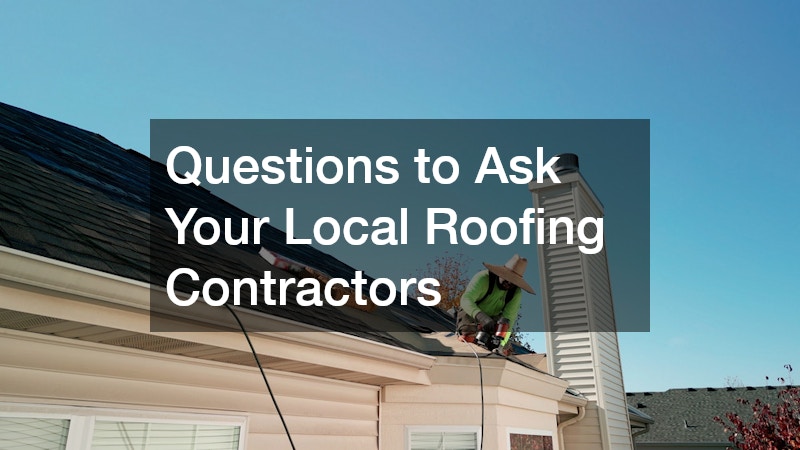
Hiring a roofing contractor is a significant decision that can impact the safety, appearance, and longevity of your home. With so many options available, it’s essential to carefully evaluate a contractor’s experience, credentials, and approach to the roofing process. From assessing years in business and specialized skills to verifying licenses and insurance, every step helps ensure that your project is handled professionally and efficiently. Understanding what to look for in a contractor and what to expect throughout the roofing process can give homeowners confidence and peace of mind while protecting their investment.
What Experience Do You Have?
Years in Business
One crucial aspect to consider when hiring a roofing contractor is their years of experience in the industry. A contractor with a significant track record often brings a wealth of knowledge and expertise that can be invaluable for your roofing project.
It’s widely believed that a contractor with at least five to ten years in the business has likely encountered a variety of roofing issues and can navigate unexpected challenges more effectively. The longer the contractor has been in business, the more likely they are to have built a reputation of reliability and quality, which is critical for ensuring the longevity of your roof.
Types of Projects
Understanding the variety of roofing projects completed by a contractor can provide insight into their range of expertise. Different types of roofs require different skills and knowledge, from shingle and metal to tile and flat roofs. When interviewing a prospective contractor, ask for specifics on the types of projects they’ve handled, as this will demonstrate their capability to manage the unique aspects of your roof type. A contractor experienced in diverse projects will likely be more adaptable and capable of providing tailored solutions that meet your specific needs and preferences.
Specialized Skills
In addition to general experience, specialized skills or certifications can set a roofing contractor apart. Industry-specific certifications or memberships in professional organizations often indicate a commitment to continued education and adherence to industry standards. Specialized skills, such as expertise in eco-friendly roofing solutions or advanced installation techniques, can be particularly beneficial if you have specific goals for your roofing project. Having a contractor with specialized skills ensures they are well-equipped to handle any unique challenges your roof may present, offering greater peace of mind in the process.
References and Case Studies
Requesting references or case studies from previous clients is an effective way to gauge a contractor’s expertise and reliability. A reputable contractor should be ready and able to provide you with a list of satisfied customers who can testify to their workmanship and professionalism. Detailed case studies can also offer insights into the contractor’s problem-solving abilities and how they handle complex projects. By examining past projects, you can assess whether the contractor consistently delivers high-quality work that meets client expectations.
Are You Licensed and Insured?
Importance of Licensing
Ensuring your roofing contractor is licensed is crucial as it indicates they have met the necessary industry standards and regulations. Licensing is often required by state or local authorities and ensures that the contractor has the appropriate training and expertise. A licensed roofing contractor is also more likely to be familiar with building codes and safety standards, which can prevent legal complications during your project. By selecting a licensed professional, you protect yourself from poor craftsmanship and potential financial liabilities.
Types of Insurance
Roofing contractors must carry the appropriate types of insurance, such as liability and workers’ compensation. Liability insurance protects you in the event of property damage resulting from the contractor’s work, while workers’ compensation covers any injuries sustained by workers on your property. Without insurance, you could be held responsible for accidents or damages, leading to unforeseen expenses. Verifying that your contractor is insured shields you from these financial risks and underscores their professionalism.
What is the Roofing Process?
Initial Inspection
The initial roof inspection is a critical step in the roofing process, as it helps to identify any underlying issues that need addressing. During this inspection, the contractor should carefully examine the entirety of the roof, including its shingles, flashing, and underlayment. This comprehensive assessment allows for a more accurate estimate and plan of action, ensuring that no problems are overlooked. Moreover, an initial inspection sets the stage for a transparent and well-informed dialogue between you and the contractor regarding your roofing needs.
Project Timeline
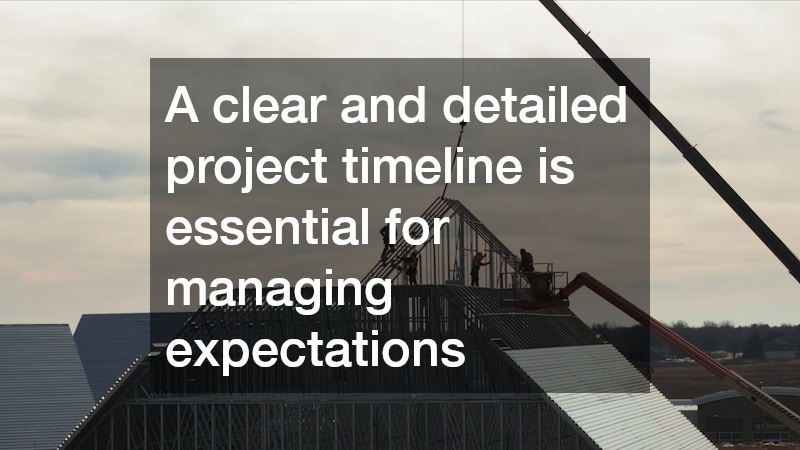
A clear and detailed project timeline is essential for managing expectations and reducing disruptions during the roofing process. The timeline should outline each phase of the project, from material delivery and preparatory work to installation and final inspections. Several factors, such as weather conditions and supply chain delays, can impact the timeline of a roofing project. Open communication with your contractor regarding potential changes helps to keep the project on track and minimize unforeseen delays.
Choosing the right roofing contractor requires more than just comparing quotes—it involves a careful review of experience, licensing, insurance, and the overall approach to managing a roofing project. By prioritizing contractors who demonstrate expertise, use quality materials, and provide thorough post-installation services, homeowners can avoid costly mistakes and enjoy a durable, well-constructed roof. Taking the time to ask the right questions and verify credentials ensures that your roofing project is completed safely, efficiently, and to the highest standard, giving you confidence in the long-term protection of your home.