Pests are more than just a nuisance—they can cause serious damage to your home, property, and even your health. From tiny insects to larger rodents, pests come in many shapes and sizes, and each presents unique challenges. Understanding the types of pests, the risks they pose, and how to handle them effectively is essential for keeping your home safe and comfortable. In this article, we’ll explore the most common pests, their potential impact, and practical strategies for managing them.
Common Types of Pests
Pests can be broadly categorized into insects, rodents, and other unwanted animals. Insects like ants, cockroaches, and termites are some of the most common intruders in households.
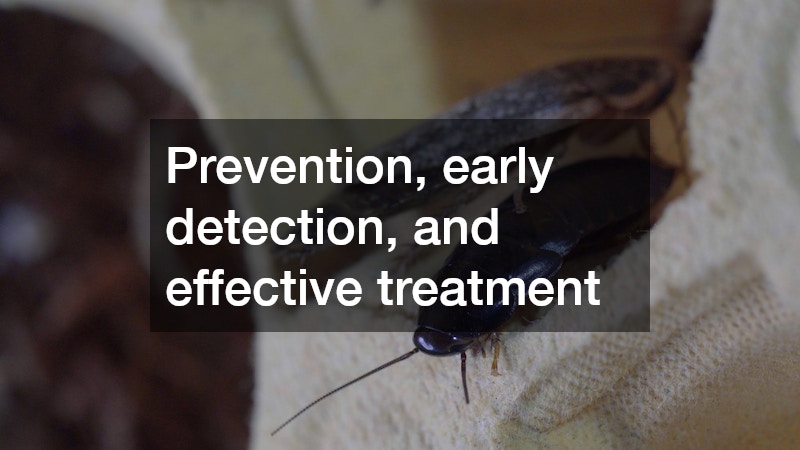
While ants may seem harmless, some species can damage wooden structures or contaminate food. Cockroaches are notorious carriers of bacteria and allergens, which can trigger respiratory problems or allergic reactions. Termites, on the other hand, pose a significant risk to the structural integrity of a building, often causing thousands of dollars in damage if left unchecked.
Rodents such as rats and mice are another major concern. They can chew through wires, insulation, and even furniture, creating hazards like electrical fires. Their droppings and urine also carry harmful pathogens, making it essential to address any infestation promptly. Other pests, including spiders, bed bugs, and wasps, can cause bites or stings, leading to discomfort or, in some cases, serious allergic reactions.
The Risks Pests Pose
Beyond the immediate nuisance, pests can create long-term problems for homeowners. Structural damage is one of the most serious issues, particularly with termites or carpenter ants. These insects slowly eat away at wood, weakening walls, floors, and support beams over time. Rodents can also damage structures, as they gnaw through wooden beams and wiring. The financial costs of repairing such damage can be substantial if infestations are not managed early.
Health risks are another significant concern. Many pests carry bacteria, viruses, and parasites that can affect humans and pets. Cockroaches, for example, are known to trigger asthma and allergies, especially in children. Rodents can transmit diseases like hantavirus, leptospirosis, and salmonella. Mosquitoes are infamous for spreading diseases such as West Nile virus, dengue, and Zika. Even seemingly harmless pests, like fleas and ticks, can cause irritation and transmit illnesses. Understanding these risks underscores why proactive pest management is critical.
Early Detection and Prevention
Preventing a pest infestation often starts with awareness and vigilance. Early detection is crucial for minimizing both damage and health risks. Homeowners should regularly inspect their properties for signs of pests, such as droppings, gnaw marks, nests, or unusual odors. Small signs, if addressed promptly, can prevent larger infestations from taking hold.
Prevention strategies vary depending on the type of pest. Simple steps include keeping food sealed and stored properly, removing standing water to deter mosquitoes, sealing cracks and gaps in walls or foundations, and maintaining clean, clutter-free environments. Landscaping and yard maintenance can also help, as overgrown plants and accumulated debris create ideal hiding spots for pests. For larger or more persistent infestations, professional intervention may be necessary.
Effective Handling and Treatment
Once pests are detected, it’s essential to act quickly and choose the right treatment. Many homeowners start with DIY methods such as traps, baits, and over-the-counter insecticides. While these can be effective for minor infestations, they often only address the visible symptoms rather than eliminating the root cause. Pests are resilient and reproduce quickly, so incomplete treatment can result in recurring problems.
Professional pest control offers a more comprehensive approach. Experts can identify the species, assess the severity of the infestation, and implement targeted treatments that minimize risks to humans and pets. Pest control specialists also provide ongoing monitoring and maintenance, helping to prevent future infestations. This approach is especially valuable for serious threats like termites, bed bugs, or rodents, where delayed or improper treatment can lead to costly damage or health issues.
When to Seek Professional Help
While minor infestations can sometimes be managed independently, certain situations require professional expertise. Signs that you need help include widespread infestations, persistent or recurring problems, damage to property, or health risks from bites or disease. Professionals can provide rapid response, expert assessment, and long-term solutions that homeowners often cannot achieve on their own.
Choosing a reputable pest control service is essential. Look for companies with certified technicians, positive reviews, and a track record of success in managing the specific type of pests affecting your home. Transparent pricing, clear treatment plans, and follow-up services are also important factors to consider. By working with a trusted provider, you can ensure your home remains safe, healthy, and pest-free.
Understanding pests and how to handle them is vital for any homeowner. From insects to rodents, pests can cause structural damage, spread disease, and create ongoing headaches if not addressed properly. Prevention, early detection, and effective treatment—especially through professional pest control—are key to keeping your home safe and comfortable. By staying vigilant and taking proactive measures, you can protect both your property and your family from the many challenges pests present.