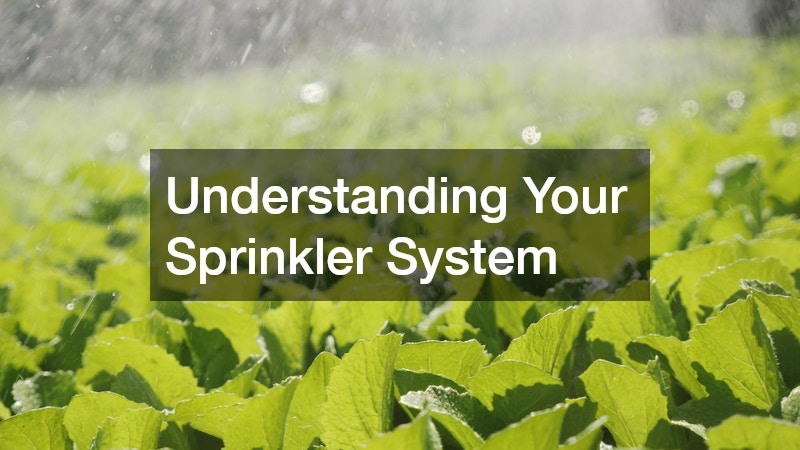
Understanding your sprinkler system is crucial for efficient lawn care and maximizing water use. In this article, explore sprinkler systems’ workings, including installation, maintenance, and water optimization, offering insights for a lush landscape. By mastering these aspects, you can ensure a thriving garden all year round.
How Does a Sprinkler System Work?
Sprinkler System Components
A sprinkler system includes the controller, valves, pipes, and sprinkler heads, working together for optimal performance. Controllers schedule automation, valves regulate zone water flow, and pipes direct water to heads. Understanding each part’s role is critical for troubleshooting. Enhancing your knowledge of these components will allow for more effective management and repairs.
Sprinkler systems require tuning to suit your lawn and environment. Choose the right parts and settings to reduce water wastage and ensure a vibrant garden. Regular assessment and adjustments help in maintaining system integrity and performance.
System integration ensures even water distribution, preventing overwatering and maintaining plant health. Integrated systems contribute to sustainable gardening by conserving water resources.
Types of Sprinkler Heads
Sprinkler heads, such as rotary, spray, and drip, are designed for specific applications. Rotary heads suit large areas, spray heads for smaller spaces, and drip systems minimize evaporation loss. Choosing the right head optimizes plant health and irrigation plans. Consider the unique needs of your landscape to select the most effective type.
Water pressure and flow rate considerations ensure compatible heads function efficiently. Regular maintenance keeps them optimal. Keeping systems in peak condition reduces maintenance costs and improves longevity.
Water Pressure and Flow Rate
Water pressure and flow rate influence system performance, impacting coverage and preventing damage. Balancing these factors maintains lawn health. Regulation devices can fine-tune these variables. Consistent monitoring is necessary to adjust settings for optimal results.
Best Practices for Sprinkler System Installation
Site Assessment and Planning
Assess your site to determine optimal system design and layout, focusing on environmental factors. Planning prevents water waste and ensures efficient irrigation. Detailed planning upfront simplifies future modifications and enhancements.
Account for existing infrastructures during planning to avoid interference. Thoughtful integration with current systems minimizes potential disruptions.
Selecting the Right Sprinkler System
Choose a suitable system based on assessment results, landscape needs, and budget. Options include hose-end, underground, and smart sprinklers, each offering unique advantages. Balancing cost with functionality ensures a practical and effective solution for your property.
DIY vs Professional Installation
Decide between DIY and professional installation based on time, expertise, and cost. DIY offers insights and savings, while professional installation ensures quality and compliance. Thoroughly weigh all considerations to make an informed choice that meets your expectations.
Maintaining Your Sprinkler System
Routine Maintenance and Inspection
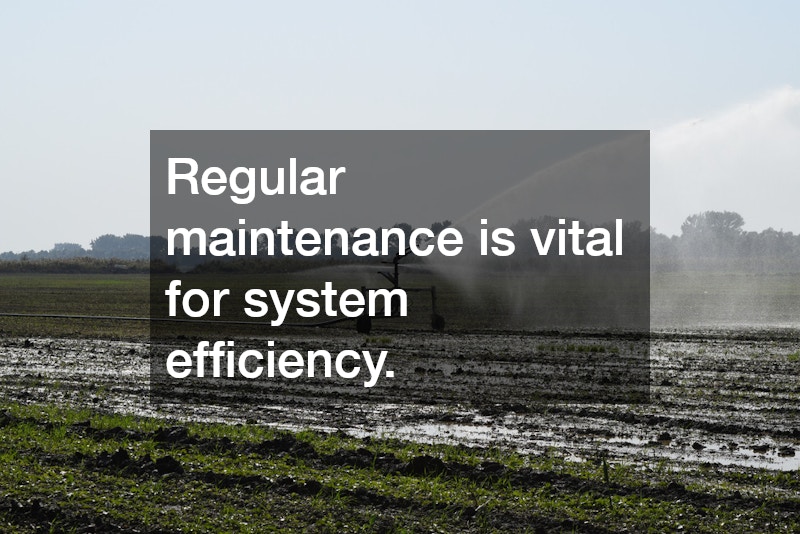
Regular maintenance is vital for system efficiency. Check for leaks, clogged heads, and component damage to prevent costly repairs. Prompt identification of issues can avoid long-term damage and ensure reliability.
Seasonal Adjustments and Winterization
Adjustments for seasons and winterization secure effective irrigation and prolongs system’s life. Modify watering schedules based on environmental changes. Resilience to seasonal shifts prevents system strain and optimizes water usage.
Common Problems and Troubleshooting
Address leaks, broken heads, and pressure issues swiftly. Systematic troubleshooting maintains landscape health and minimizes water waste. Efficient problem-solving techniques lead to long-lasting benefits and reduced repair costs.
Optimizing Water Usage
Smart Controllers and Technology
Smart technology optimizes water use, offering scheduling precision and convenience. Features like remote operation enhance resource management. Integrating technology can represent significant advances in water conservation.
Timing and Scheduling
Efficient scheduling prevents water waste. Align watering with plant needs and environmental conditions for soil saturation. Precision in watering routines directly correlates to the health and sustainability of your landscape.
Drought Resistant Landscaping
Drought-resistant landscaping helps during water scarcity, using native plants and mulch to conserve resources while maintaining aesthetics. Adopting drought-tolerant methods contributes to resiliency against climate change.
Upgrading an Existing Sprinkler System
Evaluating System Performance
Evaluating performance reveals inefficiencies, informing system upgrades. Performance assessment aligns system output with yard needs. Keeping your system updated ensures longevity and enhances its operational efficiency.
New Features and Technologies
Explore smart systems with weather data integration for efficient management. Features like leak detection enhance resource management. Harnessing advanced capabilities provides strategic benefits in resource efficiency.
Cost and Return on Investment
Upgrades yield long-term benefits despite initial costs, offering efficiency, savings, and property value boosts. Your investment today sets the stage for sustainable growth and enduring value.
Understanding and maintaining your sprinkler system is key to a beautiful landscape. Focus on technology, scheduling, and consciousness to enhance system performance, property aesthetics, and resource savings. A commitment to ongoing learning and system improvement ensures an appealing and efficient garden.