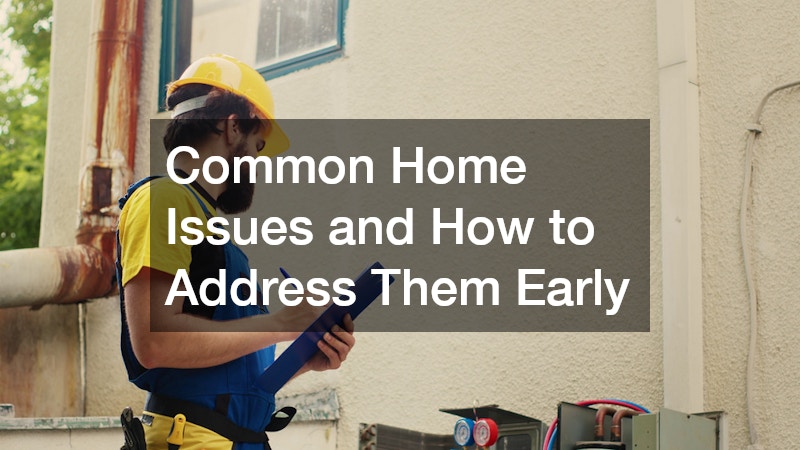
Most homeowners don’t notice problems when they start—they notice them when something breaks, leaks, or stops working altogether. A faint smell, a slight noise, or a small stain often feels easy to ignore in the moment. But those subtle signs are usually your home’s early warning system.
Addressing issues early is less about reacting and more about paying attention. A slow drip behind a wall can quietly damage insulation. A clogged vent can strain an entire HVAC system. When caught early, these problems are manageable. Left alone, they become expensive, disruptive, and sometimes hazardous.
This guide walks through the most common trouble spots in a home and, more importantly, how to recognize and handle them before they escalate.
Warning Signs of Hidden Plumbing Problems You Shouldn’t Ignore
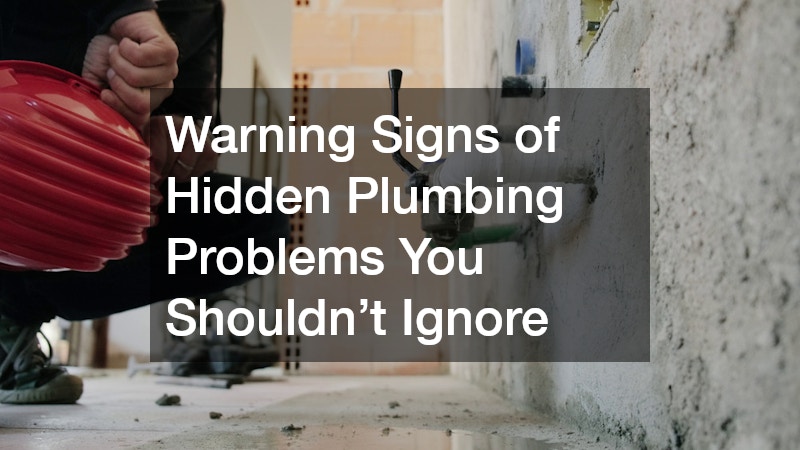
Plumbing issues rarely announce themselves dramatically. Instead, they creep in slowly—through sounds, smells, and subtle changes in how water moves through your home.
Recognizing Early Clues in Your Pipes
A sink that drains a little slower than usual might not seem urgent. But over time, buildup inside pipes restricts flow and increases pressure. You might also hear gurgling noises after flushing a toilet or notice occasional odors rising from drains.
These are often early indicators that you may need professional drain cleaning before a full blockage develops. Acting early can prevent pipe damage and backups that affect multiple fixtures.
When Moisture Becomes a Structural Threat
Leaks are often hidden behind walls or beneath flooring, quietly soaking into materials that aren’t designed to stay wet. By the time you see visible damage—like bubbling paint or warped baseboards—the problem has likely been there for a while.
Unchecked moisture can weaken wood, compromise drywall, and even affect your home’s foundation. In more severe cases, homeowners end up needing water damage restoration services to repair what started as a small, unnoticed leak.
Practical Steps to Stay Ahead
Instead of waiting for visible damage, build a habit of observation:
- Check under sinks and around appliances monthly
- Monitor water pressure for sudden changes
- Pay attention to your water bill for unexplained increases
These simple checks can help you catch problems while they’re still manageable.
Preventing Moisture Intrusion Before It Leads to Mold
Water has a way of finding its path into your home, especially during heavy rains or seasonal changes. The key is stopping it before it settles in.
Identifying Early Signs of Water Seepage
Basements and crawl spaces are particularly vulnerable. You might notice a faint musty smell, small patches of discoloration, or even a slightly damp feeling in the air.
These aren’t just cosmetic concerns. They’re early indicators that moisture is entering your home in ways it shouldn’t.
Improving Drainage Around Your Home
Many moisture problems begin outside. Poor grading, clogged gutters, or improperly directed downspouts can send water straight toward your foundation.
A few adjustments can make a big difference:
- Extend downspouts several feet from your home
- Keep gutters clean and free-flowing
- Ensure soil slopes away from your foundation
In more persistent cases, consulting a waterproofing contractor can help identify long-term solutions tailored to your property.
Knowing When Moisture Requires Professional Help
If moisture lingers, it creates the perfect environment for growth that can affect both your home and your health. At that point, mold remediation may be necessary to safely remove contamination and restore indoor conditions.
The earlier you intervene, the simpler—and safer—the solution tends to be.
Improving Indoor Air and Water Quality for Healthier Living
Comfort isn’t just about temperature. The quality of the air you breathe and the water you use daily plays a major role in your overall well-being.
Understanding What You’re Exposed To
Many homes contain airborne particles and contaminants that go unnoticed—dust, humidity imbalances, and even microscopic spores. Similarly, tap water can carry minerals or impurities that affect taste, smell, and long-term use.
These issues often develop gradually, making them easy to overlook until they begin affecting your comfort or health.
Making Meaningful Improvements at Home
Small upgrades can have a noticeable impact:
- Installing a water purification system can improve taste and reduce unwanted contaminants
- Using dehumidifiers in damp areas helps maintain balanced indoor conditions
- Regularly replacing HVAC filters keeps air circulation cleaner
These changes don’t require major renovations, but they can significantly improve daily living.
Maintaining a Consistently Healthy Environment
Even after improvements, ongoing attention matters. Areas prone to moisture—like bathrooms and basements—should be checked periodically. If signs of contamination appear, mold remediation may be necessary to address the issue thoroughly rather than temporarily masking it.
A healthy home is one that’s monitored, not just maintained.
Catching HVAC Issues Before They Disrupt Your Comfort
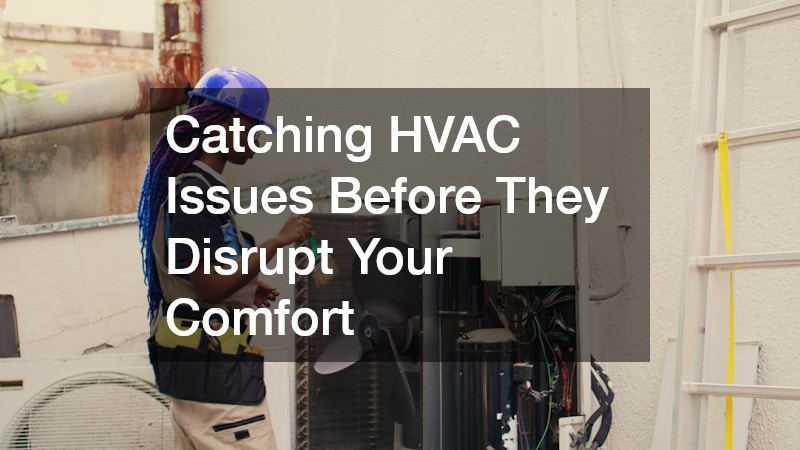
Heating and cooling systems often run quietly in the background—until they don’t. When they fail, it’s usually at the worst possible time.
Noticing Subtle Performance Changes
Your HVAC system will often show signs of stress before it stops working. Rooms may feel uneven in temperature, or your system may run longer than usual to maintain comfort.
You might also notice unusual sounds—rattling, buzzing, or airflow that feels weaker than before.
Building a Seasonal Maintenance Routine
Regular upkeep can prevent many common issues. At the start of each season, take time to:
- Replace or clean air filters
- Check thermostat settings and responsiveness
- Inspect vents for obstructions
If something feels off, scheduling a furnace repair service or arranging local ac repair early can prevent more serious breakdowns later.
Extending the Life of Your System
Preventative care isn’t just about avoiding discomfort—it’s about protecting your investment. HVAC systems are expensive to replace, but routine maintenance can extend their lifespan by years.
Think of it as routine care rather than emergency response.
Addressing Roof Problems Before They Cause Interior Damage
Your roof is your home’s first line of defense against the elements. When it begins to fail, the effects don’t stay outside for long.
Spotting Early Signs of Wear
Most roof issues start small—missing shingles, slight discoloration, or granules collecting in gutters. These are often overlooked because they don’t immediately affect daily life.
But over time, even minor damage can allow water to seep through, leading to interior problems that are far more costly to repair.
Deciding Between Quick Fixes and Inspections
Some issues can be handled quickly, such as clearing debris or replacing a single damaged shingle. Others require a more thorough evaluation.
When in doubt, consulting a local roofer can provide clarity on whether a repair or more extensive work is needed.
Preventing Interior Damage From Roof Issues
A compromised roof often leads to hidden leaks, which can eventually require water damage restoration if left unaddressed. Regular inspections—especially after storms—help ensure that small issues don’t evolve into major repairs.
Your roof doesn’t need constant attention, but it does need consistent awareness.
Keeping Your Garage Door Safe, Functional, and Reliable
Garage doors are used daily, yet they’re rarely thought about until something goes wrong. Because they involve heavy components and moving parts, even small issues can become safety concerns.
Recognizing When Something Feels Off
A door that hesitates, jerks, or makes grinding noises is signaling that something isn’t working properly. These issues often stem from worn-out components or misalignment.
Ignoring them can lead to sudden failure, which can be both inconvenient and dangerous.
Simple Maintenance That Makes a Difference
Routine upkeep doesn’t require specialized skills. A few periodic checks can keep your system running smoothly:
- Lubricate moving parts to reduce friction
- Test the auto-reverse safety feature
- Check for loose hardware or worn rollers
If problems persist, residential garage door repairs can address underlying issues before they worsen.
Avoiding Safety Risks
Garage doors are heavy and operate under tension. Addressing small issues early reduces the risk of sudden malfunctions that could cause injury or property damage.
Preventing Pool Installation and Maintenance Mistakes

Adding a pool can transform your outdoor space, but it also introduces a new set of responsibilities that require careful planning.
Avoiding Common Planning Oversights
Poor placement or improper grading can lead to drainage problems that affect both the pool and surrounding structures. Working with an experienced swimming pool installer helps ensure that these factors are addressed from the start.
Establishing a Sustainable Maintenance Routine
Once installed, a pool requires consistent care. Skipping maintenance can lead to water quality issues and structural wear.
Focus on:
- Maintaining proper chemical balance
- Cleaning surfaces and filters regularly
- Monitoring water levels and circulation
Protecting Long-Term Investment
A well-maintained pool adds value and enjoyment. A neglected one quickly becomes a source of costly repairs. Early attention to small issues helps preserve both function and appearance.
Creating a Whole-Home Maintenance Routine That Works
Keeping a home in good condition isn’t about reacting to problems—it’s about building habits that prevent them.
Designing a Practical Maintenance Schedule
Instead of trying to remember everything at once, break tasks into seasonal checkpoints. This approach keeps maintenance manageable and ensures nothing critical gets overlooked.
Spring is an ideal time to focus on the exterior. As weather warms up, inspect drainage systems, clean out gutters, and check for any damage caused by winter conditions. Look for pooling water near the foundation or cracks that may have developed.
Summer shifts attention toward comfort systems. This is when cooling performance matters most, so checking airflow, vents, and system efficiency becomes essential. It’s also a good time to inspect outdoor elements like decks, siding, and irrigation systems.
Fall is about preparation. As temperatures drop, sealing gaps around windows and doors helps improve efficiency. Heating systems should be tested early to avoid surprises later. This is also when many homeowners schedule preventative inspections.
Winter focuses on monitoring rather than fixing. Indoor conditions matter more, so keeping an eye on humidity levels and insulation performance helps prevent condensation and cold-related issues.
Incorporating tasks like routine drain cleaning or scheduling local ac repair ensures that key systems stay in working order year-round.
Breaking Tasks Into Manageable Categories
One reason maintenance feels overwhelming is that everything seems urgent at once. A better approach is to group tasks into categories:
- Monthly checks: quick visual inspections, filter replacements, and leak checks
- Quarterly tasks: deeper system reviews, appliance maintenance, and safety testing
- Annual projects: inspections, servicing major systems, and preventative upgrades
By organizing tasks this way, you avoid the stress of trying to handle everything at once.
Prioritizing What Matters Most
Not every task carries the same urgency. Focus first on areas that can cause the most damage if ignored—water intrusion, HVAC systems, and structural components.
For example, a small crack in a walkway can wait. A slow leak under a sink cannot. Learning to distinguish between cosmetic and critical issues helps you allocate your time and budget more effectively.
A simple rule of thumb: if a problem can spread, worsen quickly, or affect multiple systems, it should move to the top of your list.
Building Habits That Stick
Consistency comes from routine, not motivation. The easier it is to follow your system, the more likely you are to stick with it.
Some homeowners prefer digital tools—apps that send reminders or track completed tasks. Others find success with a printed checklist posted in a utility room or garage. The method matters less than the habit itself.
Try pairing maintenance tasks with existing routines. For example, checking filters at the start of each month or inspecting key areas during seasonal transitions. These small connections make the process feel natural rather than forced.
Staying Consistent Without Overwhelm
Consistency doesn’t require perfection. Even small, regular check-ins can prevent larger issues. Missing a task occasionally won’t undo your efforts—the goal is steady attention over time.
When maintenance becomes part of your routine rather than a reaction to problems, your home becomes easier to manage. Instead of dealing with emergencies, you’re simply maintaining balance—and that shift makes all the difference.